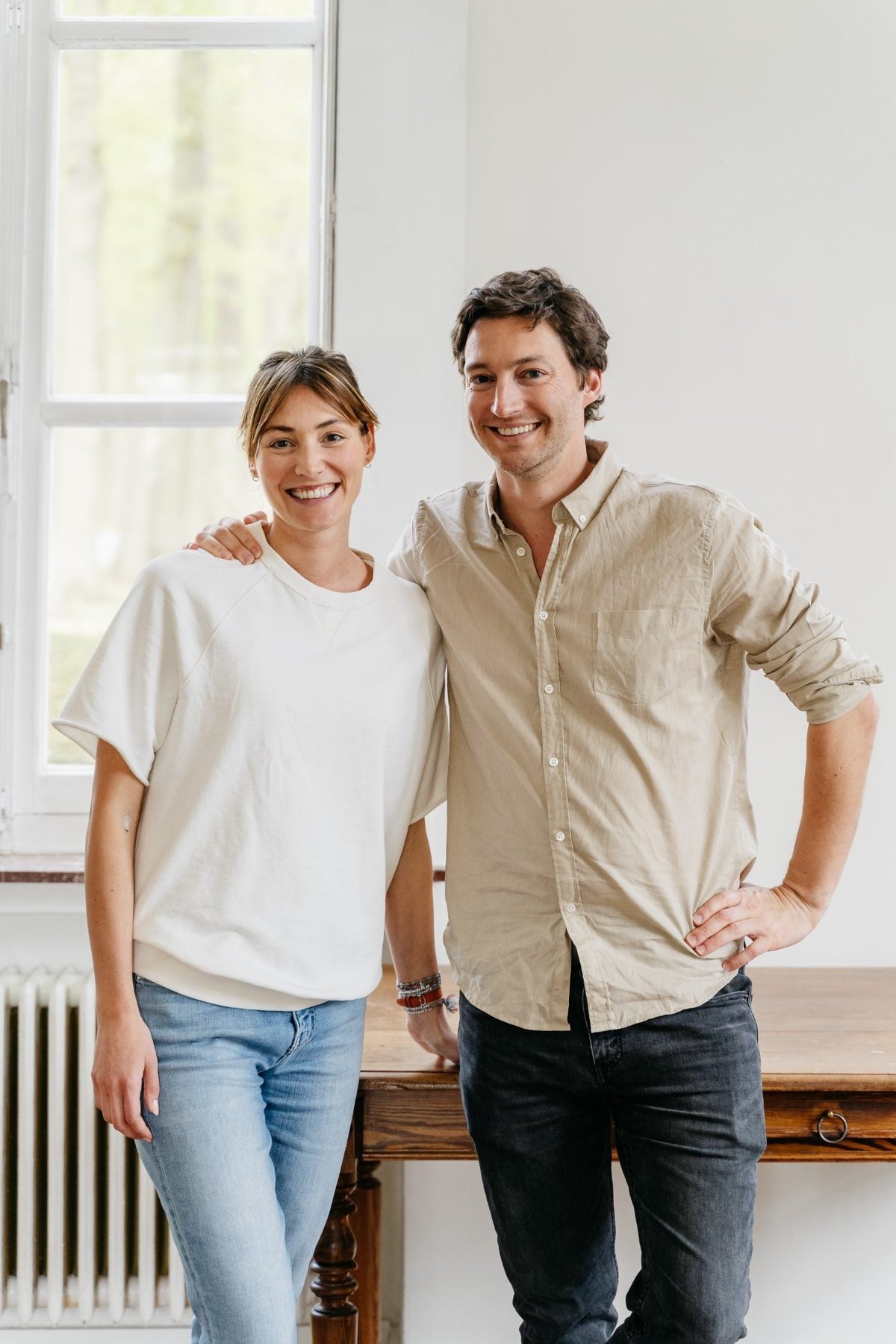
Those exercises never worked for me, I needed something tactile, like a coach to guide me. Stefanie Broes said it plainly, and it reveals the whole brand in one line.
Those exercises never worked for me, I needed something tactile, like a coach to guide me. When Stefanie Broes says it now, she says it the way a scientist states a result.
She was working on her PhD in Belgium and had trouble falling asleep. The pressure built into severe insomnia. She tried meditation techniques, courses, books and a coach, then found that slow breathing could calm her nervous system within minutes. The effect was fast. The habit was not. Counting and following lights and sounds asked for attention at the very hour she wanted to let it go.
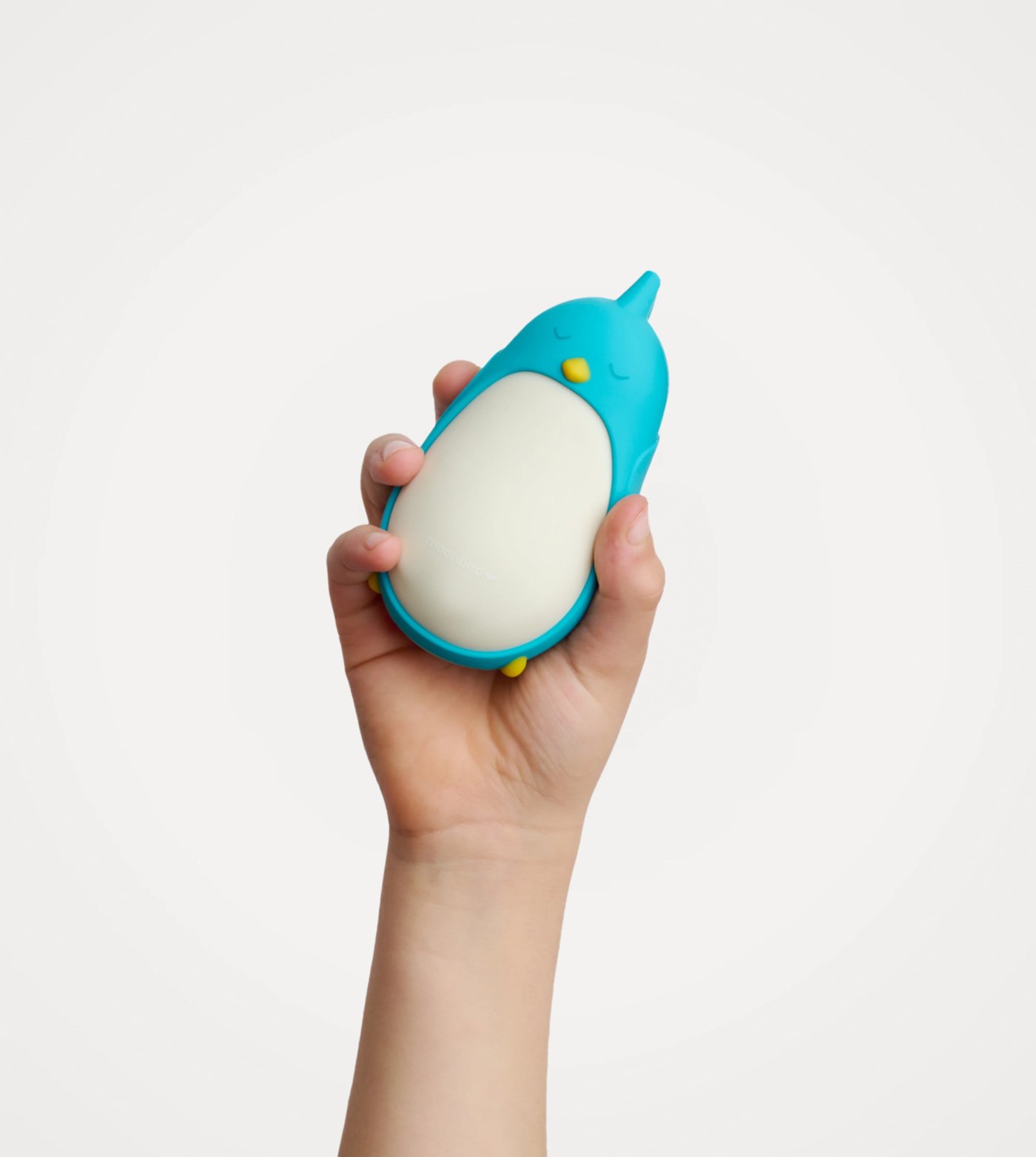
So with her brother Michael, over dinner at her place in Antwerp, she began to shape something else. A small handheld object that expands as you breathe in and contracts as you breathe out. No screen. No buttons. You shake it gently to start and it shuts off on its own. Hold it, and breathe with it, like a small bird breathing in your hands.
What others miss is how strict that softness is. Moonbird refuses one pace for everyone, and learns a personal rhythm from pulse data over the first weeks. It refuses stimulation in the bedroom. It now lives with tens of thousands of people, with an adult moonbird and a moonbuddy for ages 6 to 12. Well with Luna sat down with Broes to talk about bad nights, touch, and the hour before bed.
You were deep in a PhD in Belgium when sleep began to slip, and you have said the breathing exercises worked but you could not stay with them. What did those nights teach you about what you needed.
For me, my slow breathing exercises started about five years ago. I was working on my PhD and the pressure that comes along with it left me with severe insomnia. I tried meditation techniques, courses, books and a coach. Then I discovered the breath as a tool to rebalance and calm down my nervous system, and I dove into the science behind it because I am a scientist by training.
Within minutes, you can breathe yourself more calmly or you can breathe yourself to sleep. That part was clear. What was harder was doing it alone in the dark. Those exercises never worked for me, I needed something tactile, like a coach to guide me. I wanted to develop tools to enable people to discover the benefits of slow breathing exercises, and ultimately made this my lifelong mission. Personally, I use Moonbird as a daily ritual to maintain balance.
One dinner at your place in Antwerp became the start, with your brother Michael, two flatmates, and talk of a physiotherapist whose breathing advice no one followed. How did that conversation turn into an object.
It was very ordinary, which I love. My brother Michael and I were having dinner at my place and we were discussing sleep and breathing exercises. I said I needed something tactile. Two flatmates said their physiotherapist told them to do breathing exercises but they could not stick to them. They said if you make this physical object I would buy it.
I kept thinking of a parent cradling a baby to sleep. Calming by touch. Something that breathes for you, where you literally feel how you need to breathe without having to think or focus so much. We reached out to my brother and started co creating. We used a fruit basket on the table to find an organic comfortable shape, trying pear, apple, lemon, and ended with avocado shape. Then we reached out to doctors, end users and business people with the basic concept to start the venture.
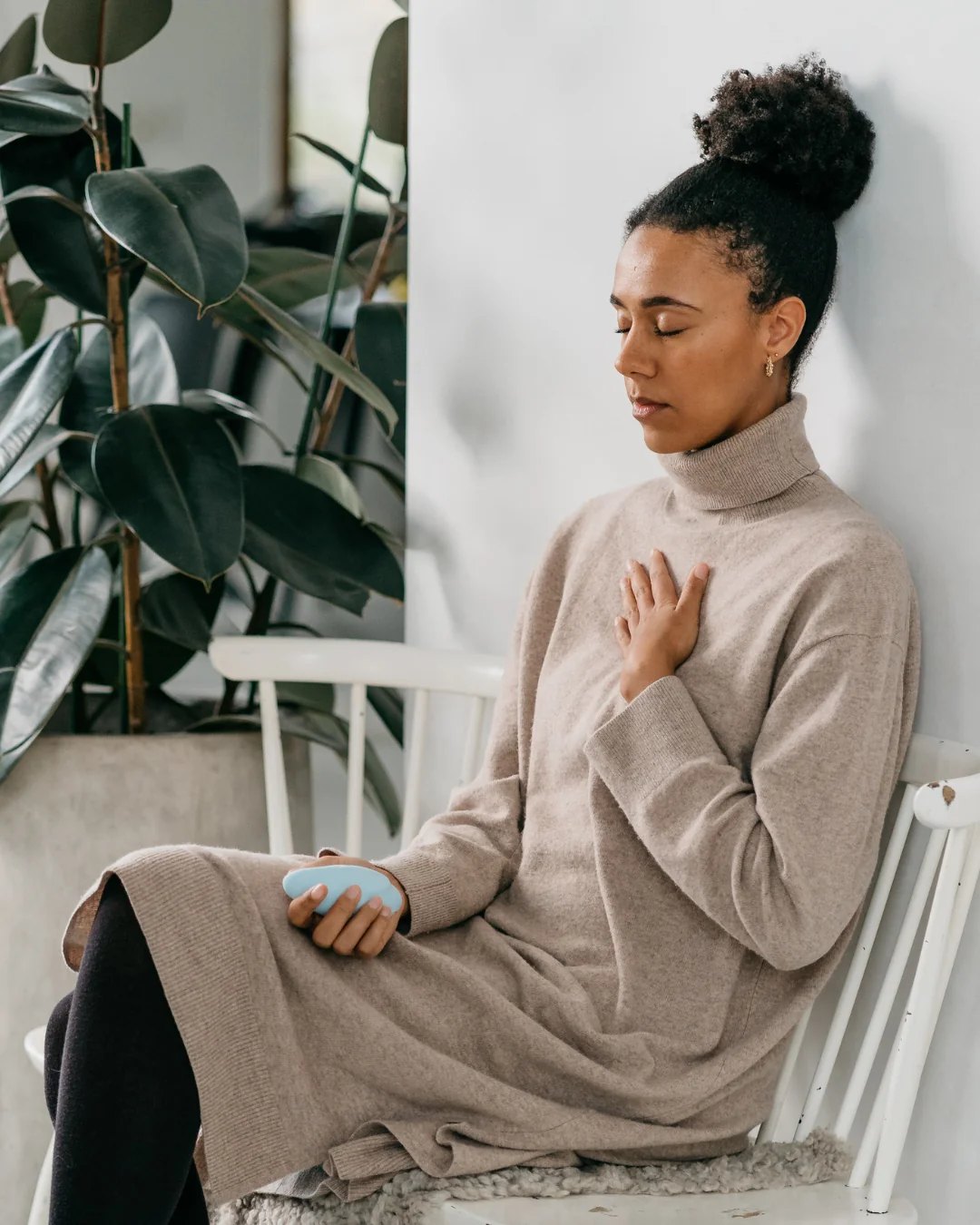
You describe moonbird as like a small bird, breathing in your hands, and you shake it to begin with no buttons to find. Why was touch the right guide for the night.
Because the night asks for less, not more. They felt as if they took much more cognitive capacity from my brain and actually kept me awake, instead of helping me to doze off to sleep. That is how I felt about visual and auditory cues. Counting keeps the mind busy. Light keeps the eyes open. Sound keeps the ears listening.
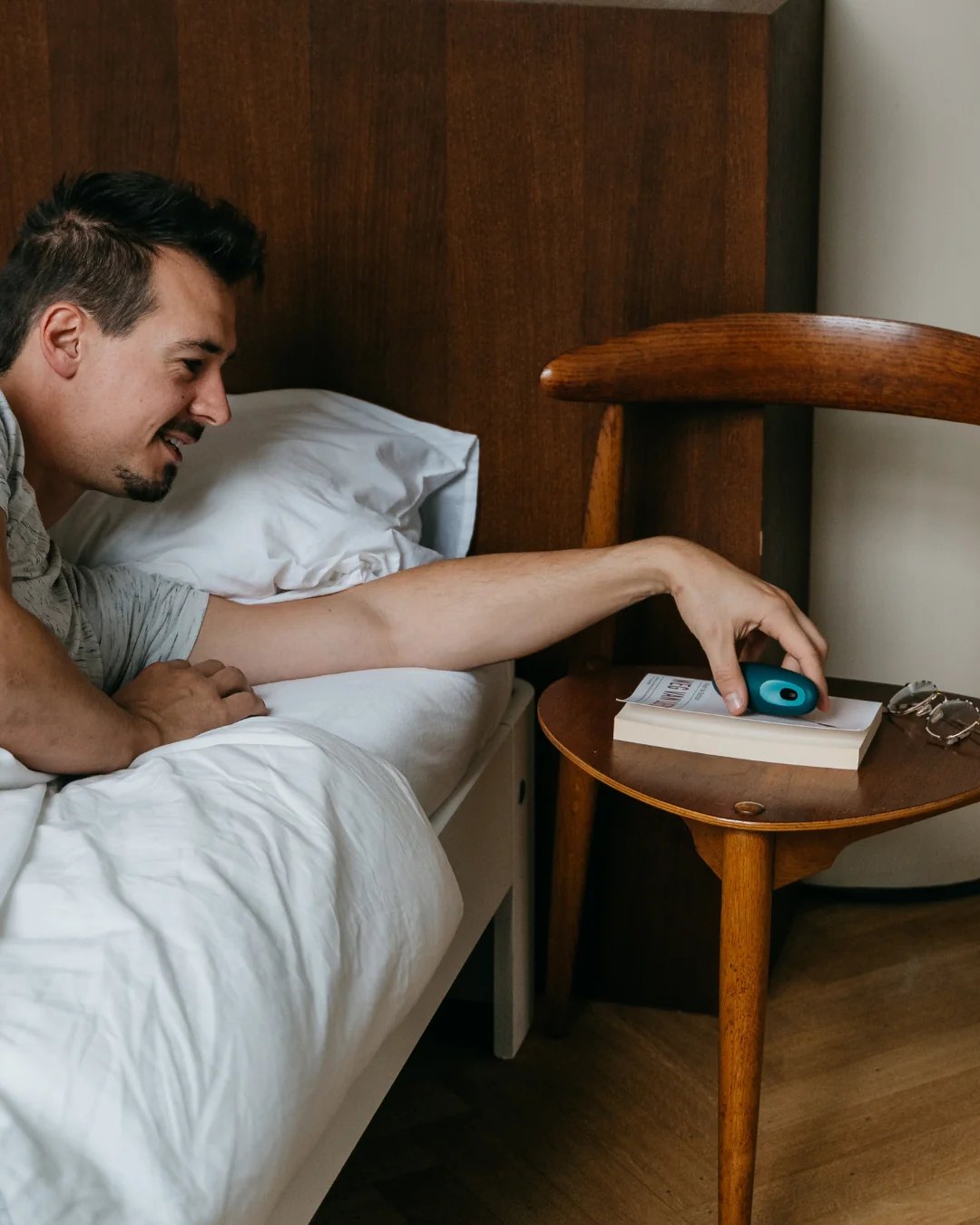
Touch is different. It expands, you breathe in. It contracts, you breathe out. I believe that these physical tools where you literally do not have to think or follow or do anything anymore, you just hold on and you breathe with it, can be very useful as well. There is no screen to dim, no button to press in the dark. You shake gently to start, breathe along as it moves, and it shuts off automatically after a few minutes. It lets the long exhale happen without effort.
Your research across 269,764 sessions found about 3 in 4 people respond best at a pace that is not the standard 6 breaths per minute. What changed when you saw that.
It confirmed what we felt in our own bodies. No one pace fits everyone. This level of personalization was crucial for us to implement because it empowers users to understand and control their body stress response, making the practice of breathwork more effective and meaningful.
The adult moonbird has a thumb pulse sensor and an optional app. Over the first weeks it learns from your pulse and finds your personal pace. The app can show heart rate, heart rate variability and coherence biofeedback for those who want it. But the bedroom practice stays screen free. You do the learning in daylight if you wish, then at night you simply hold the device and follow the movement. That separation matters to me.
You keep the bedroom practice free of screens, counting and alarms. For a reader who scrolls in bed between nine and eleven, how should moonbird fit into a real evening.
Gently. I never want to shame anyone for a screen in bed. I did it too. The idea is to make slow breathing work for everyone, every day, to reduce stress and improve sleep without screens. So keep the lamp on. Finish what you need to finish. Then put the phone down and pick this up instead.
Hold it in your hand, breathe in as it expands and out as it contracts. A few minutes is enough. Some people use it on the sofa after dinner to soften the day. Some use it with lights out. In those situations, I grab my Moonbird, start breathing with it, and most of the time, I fall back asleep within minutes. That is my own pattern when I wake in the night. No data to check. No score to read. Just warmth in the hand and a slower rhythm.
Within minutes, you can breathe yourself more calmly or you can breathe yourself to sleep.
Stefanie Broes
Parents told you their children were taking moonbird to bed, and you made moonbuddy for ages 6 to 12 with four rhythms and no app. What does a child need that is different.
A friend, not a metric. Moonbuddy rises and falls like a calm belly. There are no lights, no alarms, no app. Four breathing rhythms are stored on the device, informed by pediatric pacing, and the child can choose what feels calm. It comes with interchangeable bird or bear covers so it feels like theirs.
A child who finds it hard to calm down at bedtime does not want coaching language. They want something steady to hold. They breathe along as it moves, at school settling time or in bed. Parents told us children were grabbing moonbird, so we made a companion at a lower price that keeps the same promise. Screen free, tactile, simple enough to use without a parent guiding each breath.
You call meditation a philosophy rather than an exercise, a way you behave and approach the world. How does that view shape a daily breathing habit.
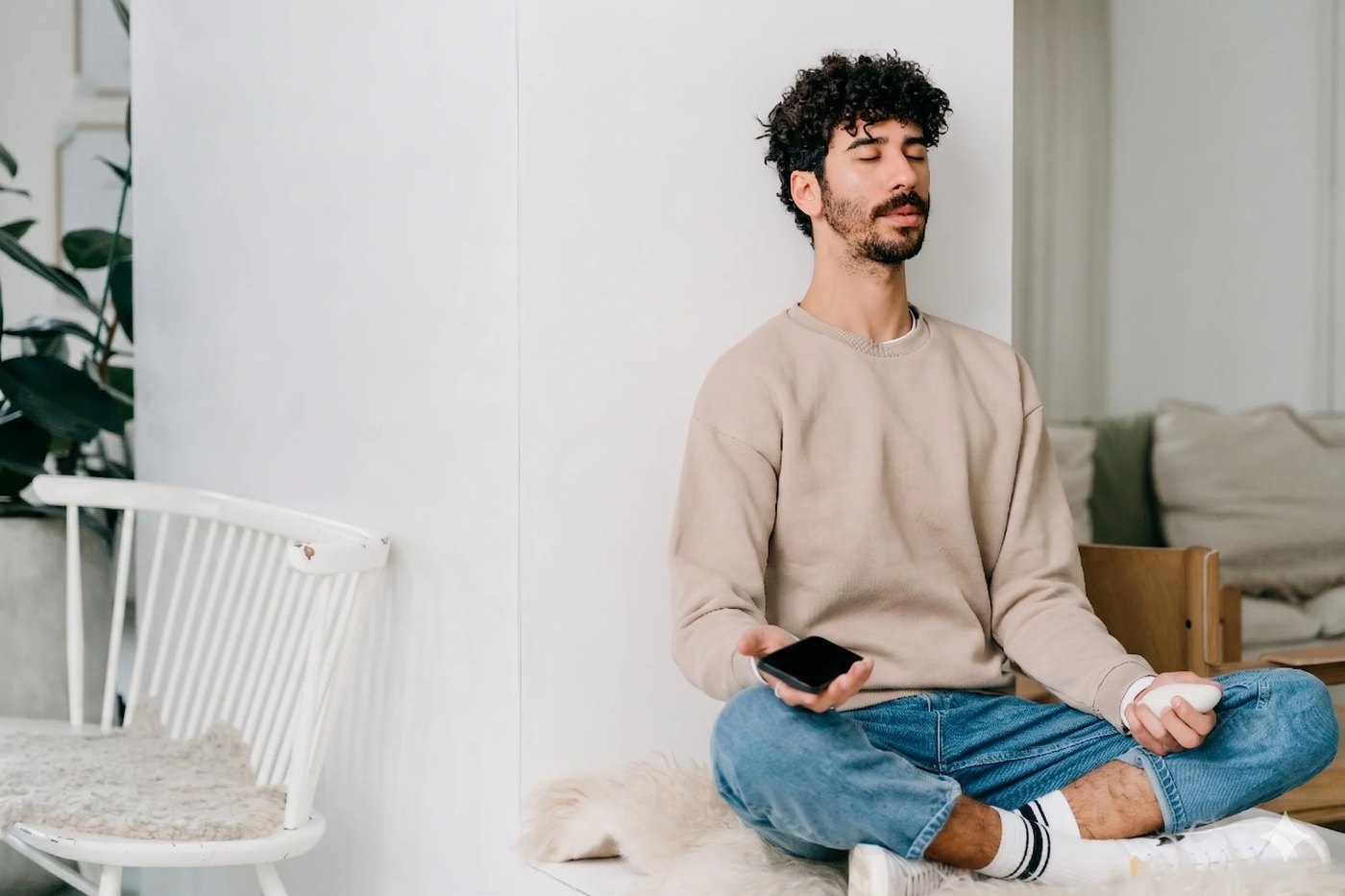
Meditation is not an exercise, but for me, it is some sort of philosophy. It is a way that you behave and through which you approach the world. I say that because I do not want breathwork to be another task to perfect. I would rather make breathwork part of daily routine than leave it as occasional exercise.
For me that means short and repeated. Morning before email, or evening before sleep. Same chair, same lamp, same few minutes. The device helps because it removes decisions. You do not choose a program or set a timer. You hold it and follow. Over time the body learns the cue. Hands close around the shape and the breath already begins to slow. That is enough on ordinary days.
Hospitals and schools now use moonbird, and you cite 80,000 customers and benefits for relaxation, emotional regulation and sleep. What do therapists tell you they actually do with it.
They tell us they use it to open or close a session. A therapist may offer it for a few minutes at the start so a patient arrives in the room, or at the end so they leave steadier. In hospitals, nurses have used it where rest is hard and rooms are bright. In schools, teachers use a short settling practice before lessons.
We started the company around five years ago to guide breathing for well being and sleep. To hear now that students, employees, parents, therapists and clinicians use it in their own ways means a lot. Studies have shown benefits for relaxation, emotional regulation, and sleep in hospitals and schools. I read that carefully. It may help some people a lot, others a little. The common thread is that touch makes the practice accessible where attention is thin.
You work from Antwerp with a small team and a rooftop office, and moonbird can be bought with HSA and FSA funds in the US with partial reimbursement by some EU providers. What does that access mean for how you price and build.
We are a small health tech startup team based in Antwerp with a shared mission to make breathwork accessible, cool, and convenient. Being small keeps us close to users. We test with doctors and end users, we listen to parents, we adjust the shape and the pacing.
Price is part of that. Moonbird is EUR 179, moonbuddy is EUR 79. In the US moonbird can be bought with HSA and FSA funds, and in the EU providers including Zilveren Kruis, Menzis, ONVZ, CM and Helan reimburse part of the cost. That does not make it low cost, and we are honest about that. It means some households can fit it into a health budget. We build to last, with no subscription needed for the core tactile practice, so the nightstand holds one quiet thing, not another fee.
If tonight is restless, lights low, mind still moving, what is your own ritual now.
I keep it simple. I dim the lamp, I leave the phone outside reach, I shake Moonbird gently and hold it. I breathe in as it expands, out as it contracts. I do not measure. I do not try to be good at it.
If I wake at 3am, I do the same. In those situations, I grab my Moonbird, start breathing with it, and most of the time, I fall back asleep within minutes. Sometimes I do not, and that is allowed too. The ritual still softens the hour. Then first light comes easier because the night felt held, not managed. That is what I wanted all along, not a perfect night, just a kinder one.
Closing note from the desk
What stays with us after this conversation is the restraint. Broes built a health tech product by removing things, light, sound, counting, buttons, a fixed pace, until only touch remained. It is easy to describe and harder to do, and it suits the hour it serves.
Moonbird set out to make slow breathing work for everyone, every day, without screens. Not to promise sleep, but to give the hand something calm to follow when the mind will not settle. Better nights, clearer days, in the brands own soft order.
Product spotlight
moonbird is the signature handheld breathing coach at EUR 179. It expands and contracts in the palm to set the pace, with a thumb sensor and optional app that learns a personal rhythm over the first weeks. Hold it, shake gently to start, breathe along for a few minutes at lights out or after night waking.
moonbuddy is the child companion at EUR 79 for ages 6 to 12. It rises and falls like a calm belly, with four rhythms stored on the device and no app, lights or alarms. A child holds it at bedtime or before school and breathes along, with bird or bear covers to make it familiar.

Courtney Belknap
Courtney produces the interviews at Well with Luna: the research, the question lists, the late follow-up calls. She asks every founder about the worst night that started the company, and then about the dose.
More from Courtney Belknap →