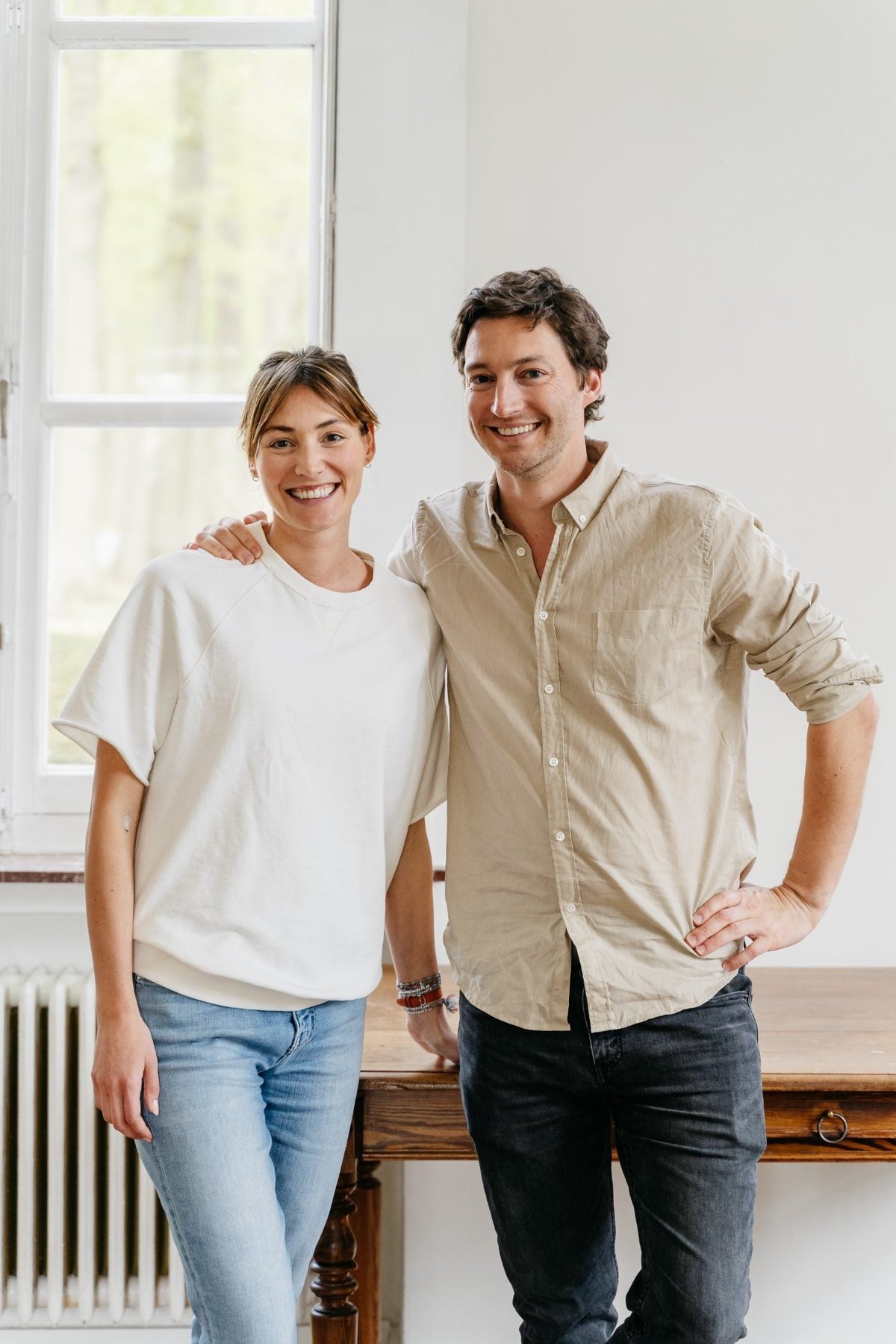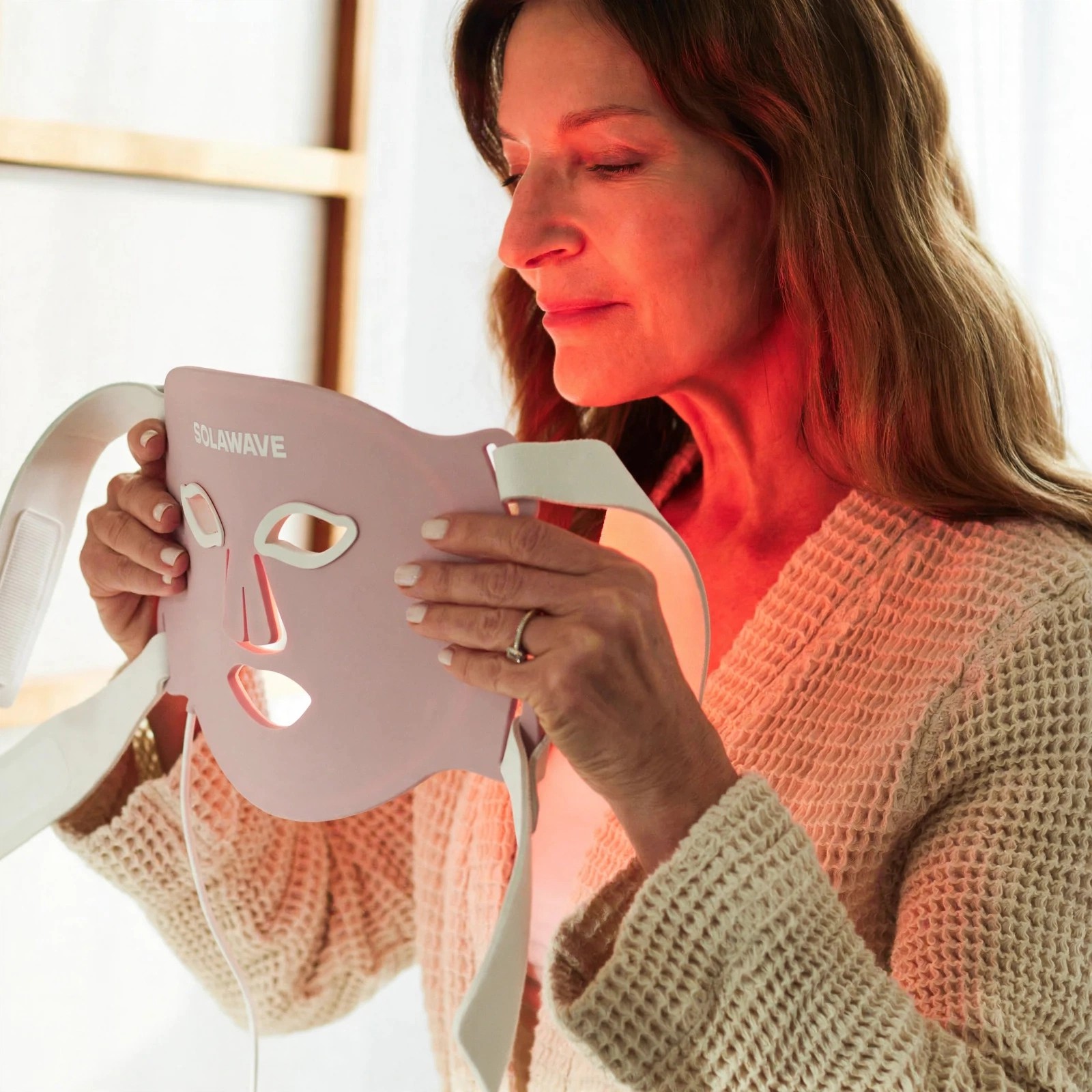
Evening asks for less light, yet here is a light you turn on before bed. Andrew Silberstein built Solawave around that small contradiction, a warm red glow meant to slow the face down. We talked about teen acne, simple tools, and what a nightstand ritual can hold.
Light is usually the problem at night. The phone stays bright, the bathroom stays bright, the mind stays bright. Solawave sits inside that tension by offering a different kind of light, one that does not scroll or buzz. It is a small wand that warms and hums softly across the skin for a few minutes, then goes back on the nightstand.
Andrew Silberstein did not come from skincare. He worked in music from age 14, in digital marketing for Def Jam artists, then sold a startup to Live Nation in 2014. As a teen he had acne, saved for an expensive blue light device, and stayed curious about at home technology. After consulting for a celebrity makeup artist on a facial tool, he wanted something with more technology that people would actually look forward to using.
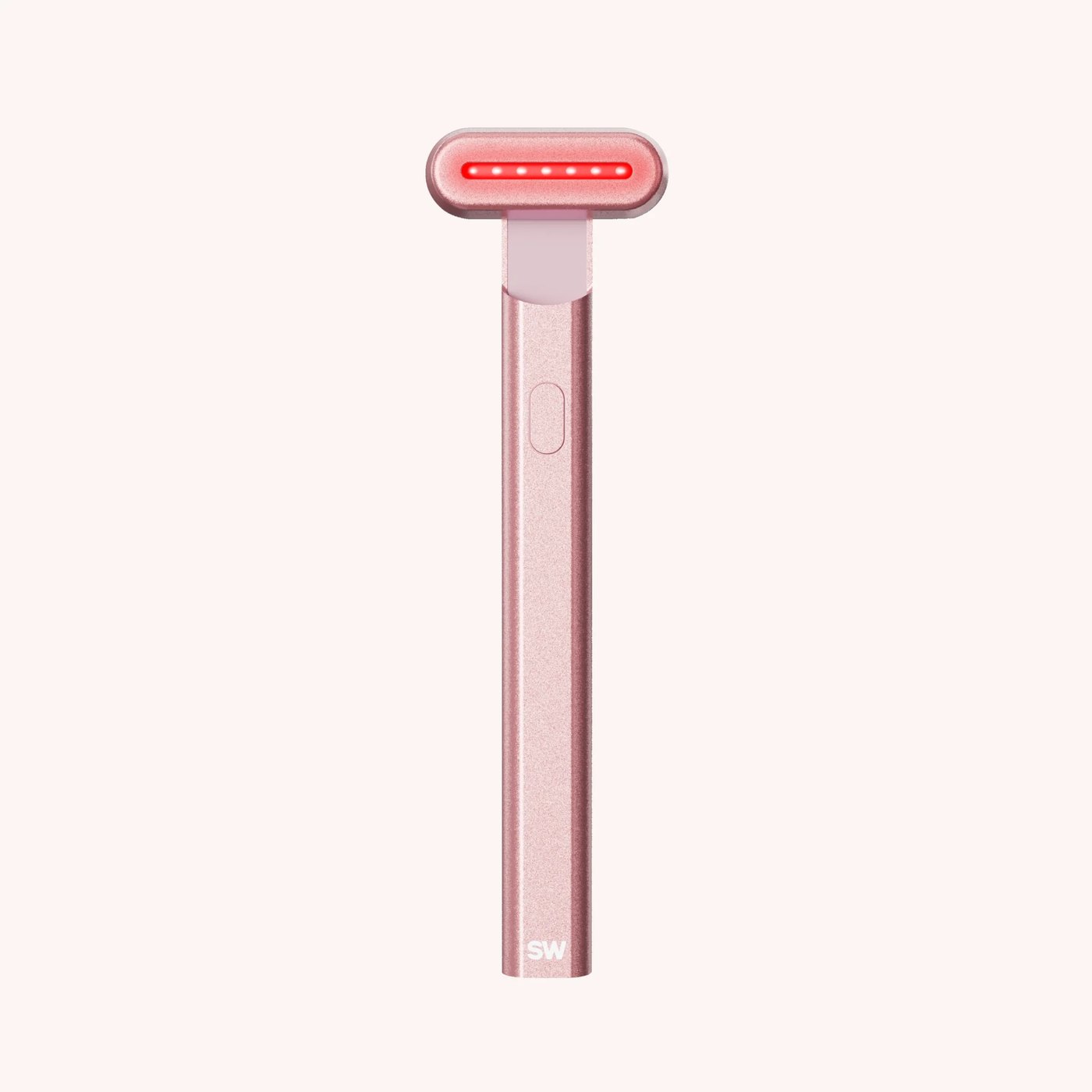
What he made is now familiar on bathroom counters. The original Red Light Wand launched at 149 dollars, pairing red light with microcurrent, facial massage and warmth. A second device for acne followed. The brand says try any product for 60 days and return it if you are not thrilled. What interests us is quieter than growth. How a device fits into the hour before bed, what it emits and what it asks of you, and whether simple can still feel like care.
You launched Solawave in September of last year with a 149 dollar Red Light Wand that paired red light with microcurrent, facial massage and warmth. Why combine four functions when a single light might have been easier to explain.
I really wanted to bring a new device to market that had much more technology and long-term cumulative benefits. A single light felt too narrow for what I had in mind. I had been fascinated by all the development in at-home skincare technology, and I wanted something with powerful technology that also feels great to use that you would look forward to using every day. That last part mattered as much as the specs. If it feels like a chore, it ends up in a drawer.
We wanted to build the most intuitive product as possible in the beginning. That is why our current product has no variability in strength. That is great for the entry level consumer. You apply serum, you glide, you feel warmth and a soft massage. Three minutes per area, face, neck, jawline. For someone standing in soft bathroom light at ten at night, that simplicity is the point. It may help some people keep a steady routine, which is where the appearance benefits build.
As a teen you saved up for a very expensive blue light device and called it probably the most exciting thing you had bought at the time. What did that early purchase teach you about acne and about price.
It was around that time that I started developing acne. It was my introduction to all sorts of topical treatments and prescriptions. A lot of that world felt harsh or confusing, and nothing quite explained itself. So I saved up my money to buy my first blue light therapy device, which was very expensive, but probably the most exciting thing I had bought at the time. It gave me a sense of control. I could do something at home, with my own hands.
That memory stayed with me. I did not want to launch another luxury device. I wanted something more of the world can have access to and benefit from. One hundred forty nine dollars was still real money, but it was meant to sit within reach, especially for people maintaining skin at home, between expert appointments, or who cannot afford an aesthetician. For mild to moderate breakouts, a small tool used calmly may help support the appearance of calmer looking skin, without adding another strong cream before bed.
You have said you have been an entrepreneur since probably the age of 8. How did music marketing at 14 and a startup sale to Live Nation in 2014 shape the way you launched a skin device.
I have been an entrepreneur since probably the age of 8. I have always loved it. Starting that young gives you a certain comfort with trying and failing in public. Working in music from age 14 taught me how attention works. I did digital marketing for Def Jam artists, which meant learning what makes someone stop, listen, and stay. After I sold my startup Boomrat to Live Nation in 2014, and after a failed recruiting platform, I consulted for a celebrity makeup artist and helped bring a facial tool to market. That was my bridge into skin.
When we launched Solawave, we were very digital marketing heavy. That drove 95 percent of our growth early on. But the product thinking came from music too. A good song is simple to receive and layered underneath. I wanted powerful technology that makes results simple. No extra settings to study at night. Just pick it up, use it, put it down. The hush around it is intentional.
You partnered in April of last year with a contact in Asia who innovates beauty products, after time consulting for a celebrity makeup artist. What did that partnership allow you to make that you could not make alone.
I knew the feeling I wanted, but I did not have the bench to build it. I reconnected with a contact in Asia who innovates beauty products and partnered in April of last year to finalize Solawave. They work with dermatologists, engineers and estheticians, and they build on a revenue share model, so everyone has a reason to get the details right. I ran initial trials, saw exceptional results, and launched very quickly.
What they brought was the ability to layer technologies in a small form. Red light, galvanic current, facial massage and therapeutic warmth, all in something that fits the hand and the face. Doing that without making it bulky or hot or complicated took real iteration. I wanted to bring something with powerful technology that also feels great to use. That combination is hard to hold together unless the engineering partner cares about feel as much as function.
In September of this year you released a second device, the 119 dollar Blue Light Wand for acne. Why go back to blue light after starting with red.
Because that is where I started. Red is often chosen for the appearance of fine lines and texture. Blue light therapy targets acne by its effect on acne causing bacteria and by its link to sebum, which is why it made sense as a second step. My own history was acne first, aging appearance later. Many households hold both needs, or one person moves between them across a month.
The 119 dollar price was part of the same belief. Keep it reachable. Keep the routine short. A spot tool that you hold on an area for a few minutes can fit after cleansing, before sleep, without asking you to rethink the whole night. For mild to moderate acne it may help some people see calmer looking skin over time, while others may prefer to keep it for occasional breakouts. We also kept the promise across the line. Try it for 60 days and return for a full refund if not thrilled with results.
I wanted something with powerful technology that also feels great to use that you would look forward to using every day.
Andrew Silberstein
Your line says it became a hit when people sought alternatives to spa services during the pandemic, and you have spoken about users including Mandy Moore, Lil Nas X and Sydney Sweeney. What did that at home shift teach you about ritual.
The silver lining of an otherwise difficult period in the world is that people are learning that they do not have to rely solely on an expert to take care of their skin. That sentence still guides us. People were home, in lamplight, with time to notice their faces. They did not want a twelve step plan. They wanted one quiet thing that worked with their hands.
A ritual has to survive tiredness. That is why glide matters, why warmth matters, why three minutes per area matters. The face and neck hold the day, and a slow pass with light massage may help the appearance of puffiness from a long day while the serum softens the glide. You do not need to stare at a score after. You rinse, you smooth, you turn the lamp low. Celebrity use helped us be seen, but the real test was ordinary nights, repeated.
You sell through Goop and Saks Fifth Avenue and were about to launch in Nordstrom and Neiman Marcus and Cult Beauty in the U.K., while staying direct and accessible in price. How do you hold both a department store shelf and a nightstand.
By keeping the object the same. The wand on a shelf under bright lights and the wand in a dim bedroom should feel like the same promise. No Appointment Needed is not against experts. It is for the nights between them. Future Proof Your Skin and Radiant Results, Risk Free are meant to sound steady, not urgent. Solawave Rituals is our phrase for pairing tools with topicals for a complete ritual rather than selling a device alone.
Retail asks for clarity. A shopper needs to understand in seconds what it emits, what it does, and how long it takes. At home it needs to be kind. Therapeutic warmth should feel warm, not hot. Massage should feel slow, not buzzy. We would rather let people try for 30 days and return for any reason than make them hesitate to invest, and the 60 day language on site extends that same idea. If it does not suit your evenings, it should go back.
You have mentioned working on conductive sheet masks and under eye masks as a topical expansion. Why pair tools with topicals instead of letting the device stand alone.
Because dry glide is unpleasant, and an unpleasant step breaks the habit. We have been working on conductive sheet masks and under eye masks for that reason. A lightweight serum or a hydrating mask gives the head something to move across, and skin looks more supple after. It also makes the ritual legible. Cleanse, smooth on serum, glide, rest.
Our LightBoost lines were built around that pairing, for the wand and for the masks. The idea is not more products for their own sake. It is fewer decisions at night. If the bottle and the tool were made for each other, you do not have to wonder about order or amount. You can keep the lights low and keep moving. That is what makes results simple in practice, not only on the page.
You kept the first wand deliberately simple, with no variability in strength for the entry level consumer. What is the tradeoff of that choice, and who might outgrow it.
The tradeoff is control. That is why our current product has no variability in strength. That is great for the entry level consumer. No dials, no modes to compare when you are tired. You get the same gentle output each time, which supports consistent use. For many people that is enough. They want the appearance of smoother, more rested looking skin without studying settings.
Someone who wants a stronger sensation, or who likes to adjust levels area by area, may outgrow it and look toward a mask with timed sessions or toward in person care. That is honest. We would rather make powerful technology feel enjoyable than make it feel like a chore, and we would rather sell direct and accessible devices than launch another luxury device. Simple holds the night together. Adjustable can come later, if you find you miss it.
If someone reads this in bed between nine and eleven, phone in hand, skin clean and a little tired, how should they try the wand tonight for the first time.
Keep it small. Wash your hands, cleanse gently, pat dry. Smooth on the activating serum so the wand can move without pulling. Then glide slowly over one area at a time, about three minutes per area, face, neck, jawline. Let the warmth sit. Breathe through the nose on the long exhale. If your eyes feel sensitive to brightness, angle away and keep the lamp low.
Do not chase a result on night one. Notice feel first, then look for the appearance of softness and a calmer look in the morning light. If the ritual fits, repeat it. If it asks too much, shorten it. One area is enough to learn. The night does not need another task that grades you. It needs one clear step that lets first light feel a little kinder.
Closing note from the desk
What stays with us is the modesty of the object. It does not track, it does not ping, it does not ask for a streak. It emits red light at 630 nm, adds gentle current and warmth, and asks for slow hands. In a category full of bright screens and loud claims, that restraint feels suited to evening.
Solawave set out to make powerful technology simple enough to live on a nightstand, at a price more of the world could try. Read in lamplight, that reads as an invitation rather than an instruction. Bring what you have, a clean face and a few minutes, and let the rest of the night stay quiet.
Product spotlight
Radiant Renewal Skincare Wand, 169 dollars. An at home facial wand that combines red light therapy with galvanic current, facial massage and therapeutic warmth. Apply the LightBoost Wand Activating Serum, then glide over face, neck and jawline for about 3 minutes per area, in the hour before bed.
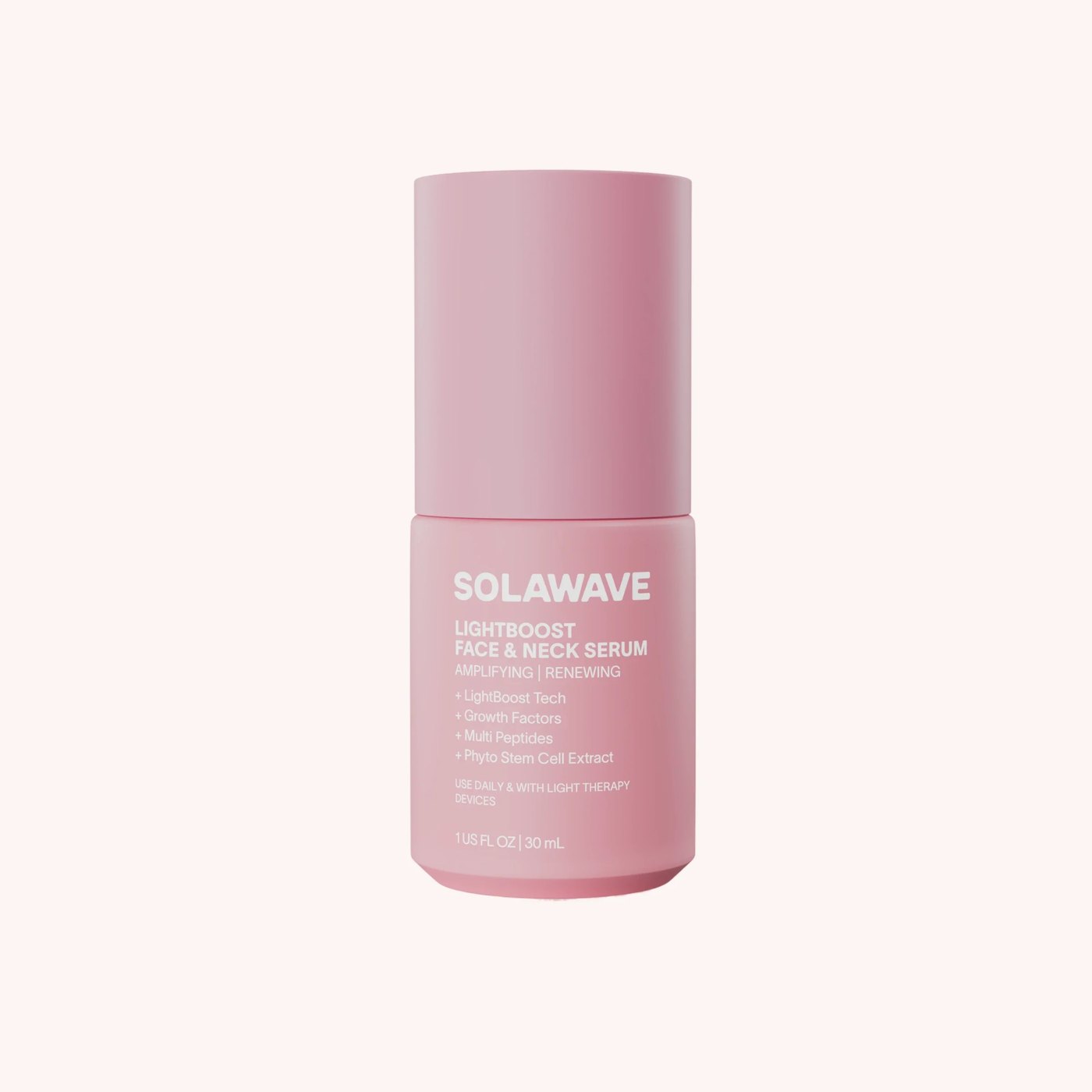
LightBoost Face and Neck Serum, 56 dollars. A lightweight, fast absorbing serum made to help the wand and masks glide comfortably while supporting the appearance of hydration. Smooth a thin layer onto clean skin before the device, then follow with rest and lights out.

Courtney Belknap
Courtney produces the interviews at Well with Luna: the research, the question lists, the late follow-up calls. She asks every founder about the worst night that started the company, and then about the dose.
More from Courtney Belknap →