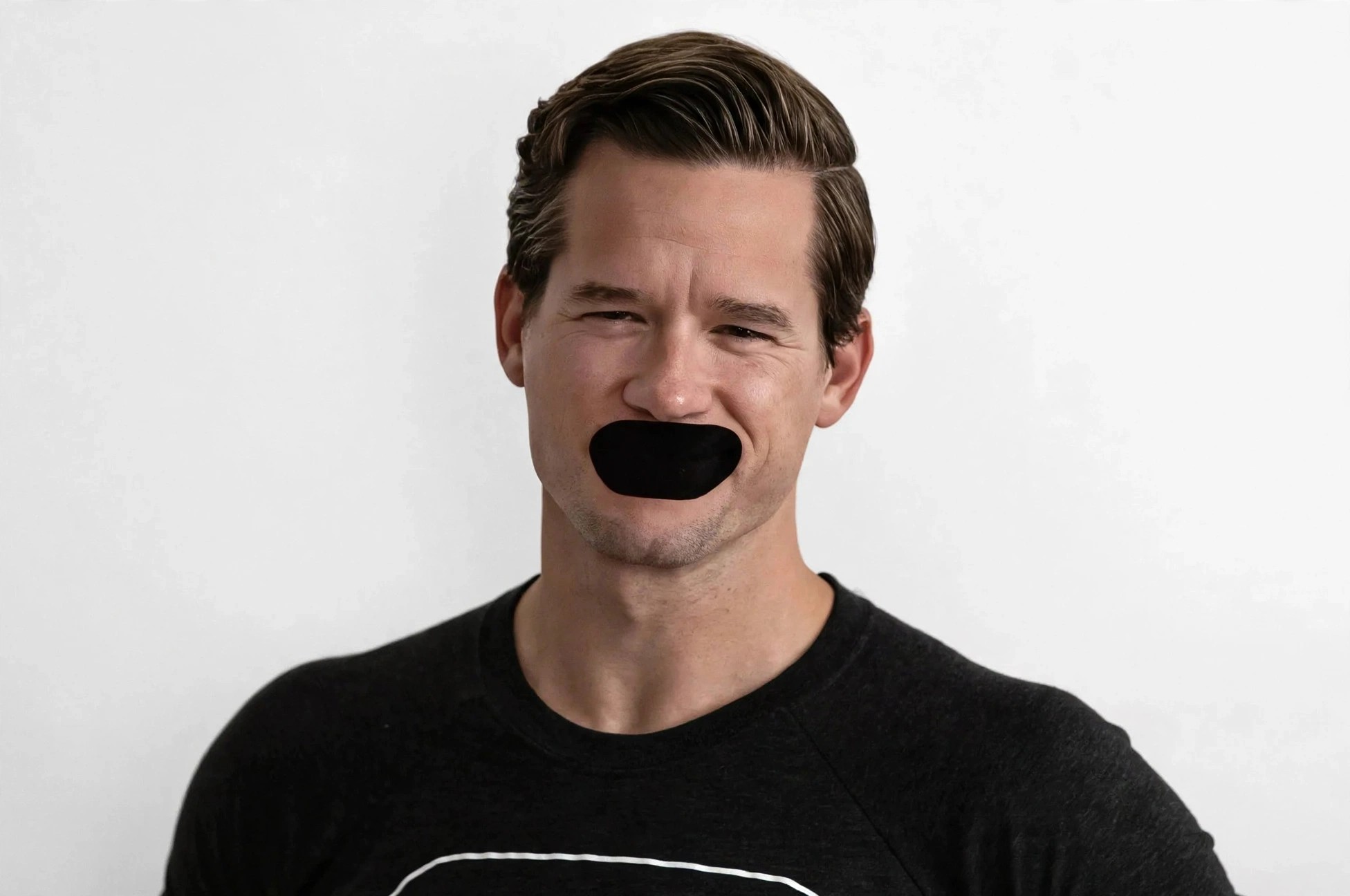
I could not fall asleep and did not know why. That is how Andy Mant describes the start of BON CHARGE, and it still shapes the company he runs with his wife Katie from Perth.
I could not fall asleep and did not know why. That small sentence tells you almost everything about BON CHARGE. It was not a market gap first. It was a night that would not end.
Andy Mant was born in the UK and moved to Australia in 2011. In his telling, the move brought weight gain, chronic fatigue and a lack of energy. Food changes helped a little, but sleep stayed thin. He began reading about artificial light, melatonin and circadian rhythms, and how the glow that keeps us company after dusk can keep the body from settling.
What is now BON CHARGE began in 2017 as BLUblox, with two amber lens frames kept in a drawer in a spare bedroom in Australia. Andy sent ten pairs to people who tracked their sleep, posted once on his own Facebook page, and took the first order. From there the range widened to red light, low light and heat, while the team stayed lean at 35 people and took no outside investment.
What others miss is how domestic this technology story remains. Every product is road tested by Andy and Katie in daily life for at least six months before launch. The promise is plain spoken, recover faster, sleep deeper, look better, and the evening use is specific. Glasses after sunset, softer light through the house, a short session of red light before the lamp goes off. Better nights, clearer days.
Thank you for being with us, Andy and Katie. You moved to Australia in 2011, then faced weight gain, chronic fatigue and broken sleep, and you say food changes brought only limited relief before you started reading about artificial light and melatonin. What did those early nights teach you about rest that a tracker could not.
Andy: Those nights taught me that sleep is not only what happens in bed. I was doing a lot right on paper and still waking flat. I tried traditional dietary approaches and found limited relief, which was humbling. Then I started looking at light. I could not fall asleep and did not know why, and once I saw the link between evening light and morning energy it was hard to unsee. A tracker can show a restless night. It cannot dim the kitchen or change the hour before bed. I learned to treat the evening as part of sleep, not the waiting room for it. Katie and I started small, with habits we could keep. Lower light, consistent bedtime, screens handled with more care. That is still the heart of how we work. We make tools that fit a real home, not a perfect routine.
You started BLUblox in 2017 with just two amber lens frames sold out of a drawer in your spare bedroom, then sent ten pairs to people who tracked their sleep and posted once on Facebook for the first order. What gave you the nerve to ask strangers to test sleep with your glasses.
Andy: We had nothing to hide behind, which helped. When we started BLUblox we had just two amber lens frames sold out of a drawer in our spare bedroom. I knew the academic literature on light frequencies pointed in a useful direction, but I wanted lived proof. So I sent ten pairs out and asked them to try them in place of their current blue light glasses, tracking the results on their sleep trackers. I was nervous. These were people who paid attention to their nights. Then the notes came back, steadier evenings, easier mornings for some, and a simple post I made on my Facebook account brought our first order. It was never about a score. It was about whether the hour before bed felt calmer and whether first light felt kinder. That small test set our rule. We listen, we adjust, we only keep what earns its place on the nightstand.
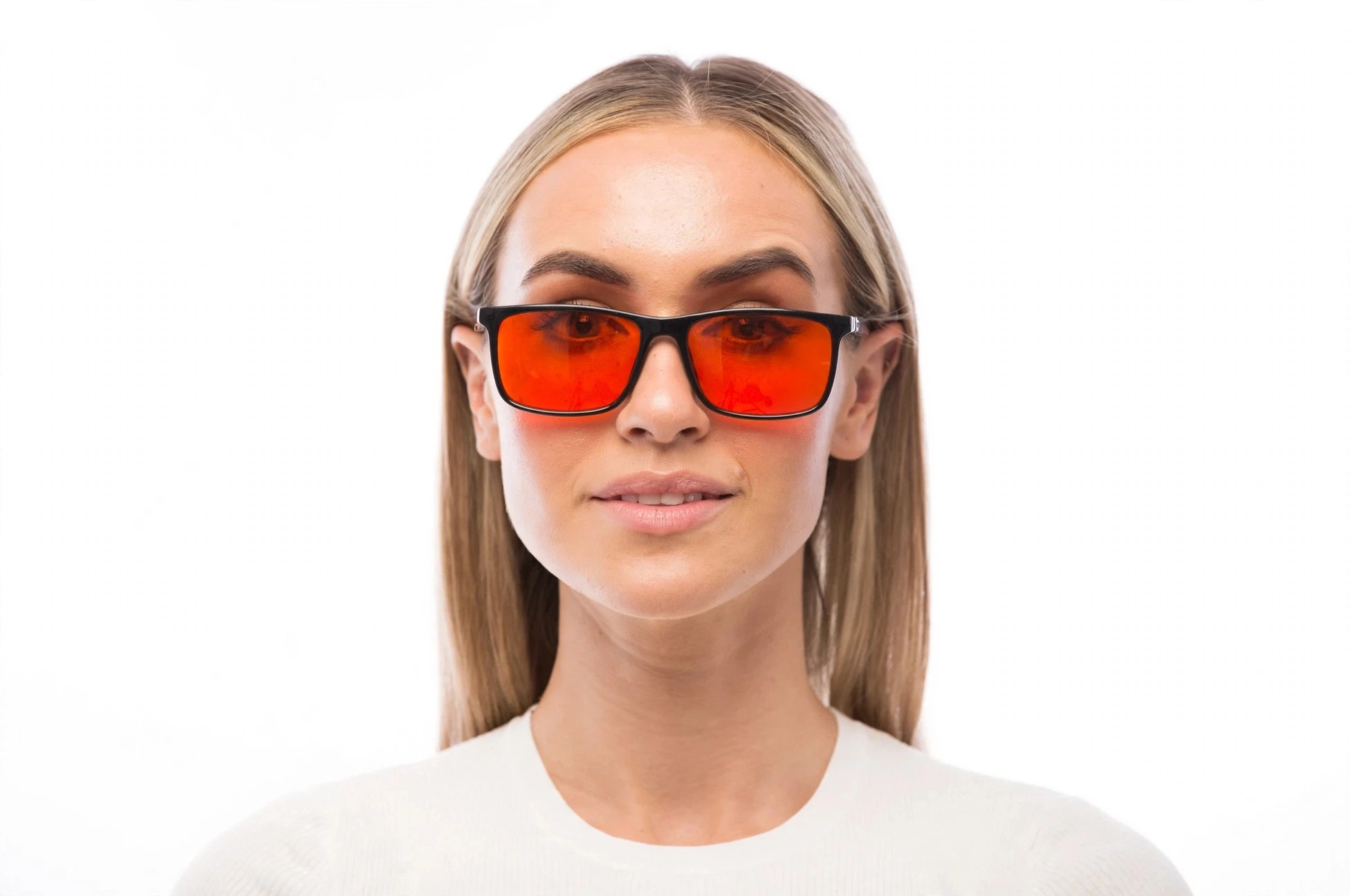
You have said you were frustrated by the subpar quality of products on the market, and that in 2017 you and Katie co founded the company to challenge the status quo. For a reader holding a cheap pair of glasses tonight, what does quality mean in practice after lights out.
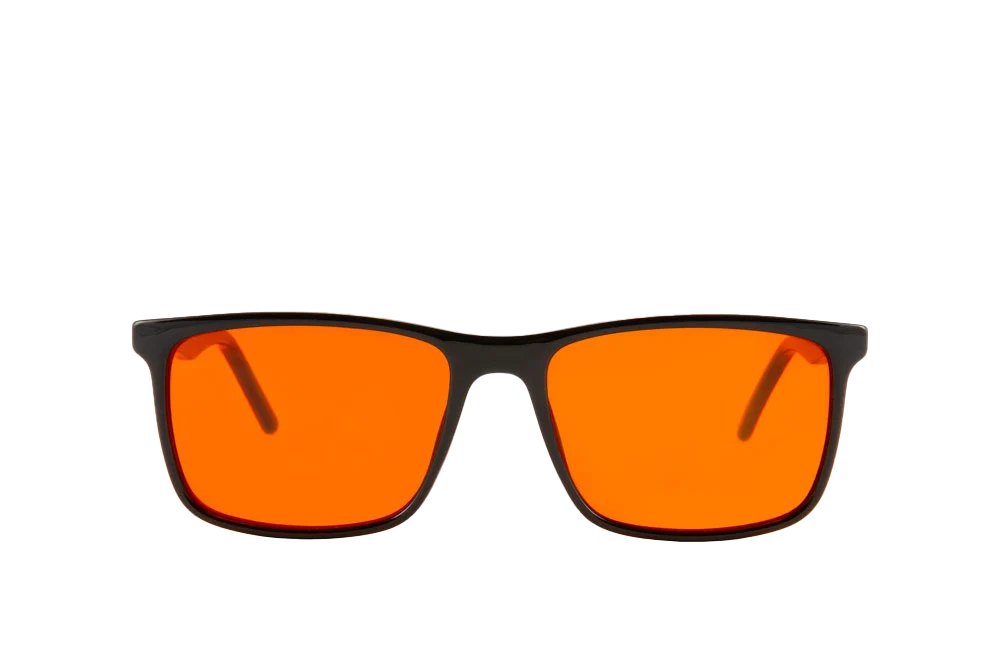
Katie: It means the lens does what it says, and the frame lets you keep it on. Our evening glasses are made to block 100 percent of melatonin disrupting blue and green light between 400 and 550 nanometers. That range is where ordinary clear lenses often fall short. A deep amber or red tint looks strong because it is doing strong work. Fit matters too. If glasses slip, pinch or fog, they end up in a drawer and the hallway light does the talking. We think about weight, wrap and comfort for reading on the sofa or padding to the kitchen. We also think about honesty. No product can promise sleep. What a well made pair can do is keep your light environment low and steady, so your body gets a clearer signal that night has arrived. That is a modest claim, but on a tired evening it counts.
You outgrew blue light only and changed the name because, in your words, the name BLUblox no longer fits, with bon meaning good and charge meaning energy. Why keep the word good in a company that now sells red light, heat and low frequency mats alongside glasses.
Andy: Because good describes how we want the night to feel. When we started, blue light management was the whole story. Then customers asked what else touched sleep and recovery, morning light, daytime brightness, heat that helps the body unwind. Today, we are so much more than just blue light glasses, so the old name felt tight. Bon means good, charge means energy. We kept it simple on purpose. Following our mission to simplify wellness, we offer tools to support sleep quality, recovery, appearance and overall well being without turning the bedroom into a lab. Good also reminds us to stay careful. Our pages carry the line that statements have not been evaluated by regulators and products are not intended to diagnose, treat, cure or prevent any disease. We would rather be clear than grand.
Your Brooklyn evening glasses block 100 percent of light between 400 and 550 nanometers, and many readers meet you at nine in the evening with a phone in bed. How should they actually wear them in a real night, with dinner, dishes and one last episode.
Katie: Wear them when the sun goes down and the house lights come up. That is the simplest rule. Put them on for dinner if the kitchen is bright, keep them on while you tidy, read or watch. The Brooklyn frame blocks the part of the spectrum most tied to evening alertness, so the lamp can stay on and the room can still feel like night to your body. Take them off for lights out. If you need your phone, keep brightness low and hold it a little farther away. Some people feel an ease in the eyes within a few evenings. Others notice nothing until mornings feel a touch smoother. Clean the lenses gently, keep a case by the bed, and give it a week of steady use. It may help some people, and it will not suit everyone. If amber feels too strong for conversation, step down to a lighter lens earlier in the evening and save the deep tint for the last hour.
A tracker can show a restless night. It cannot dim the kitchen.
Andy Mant
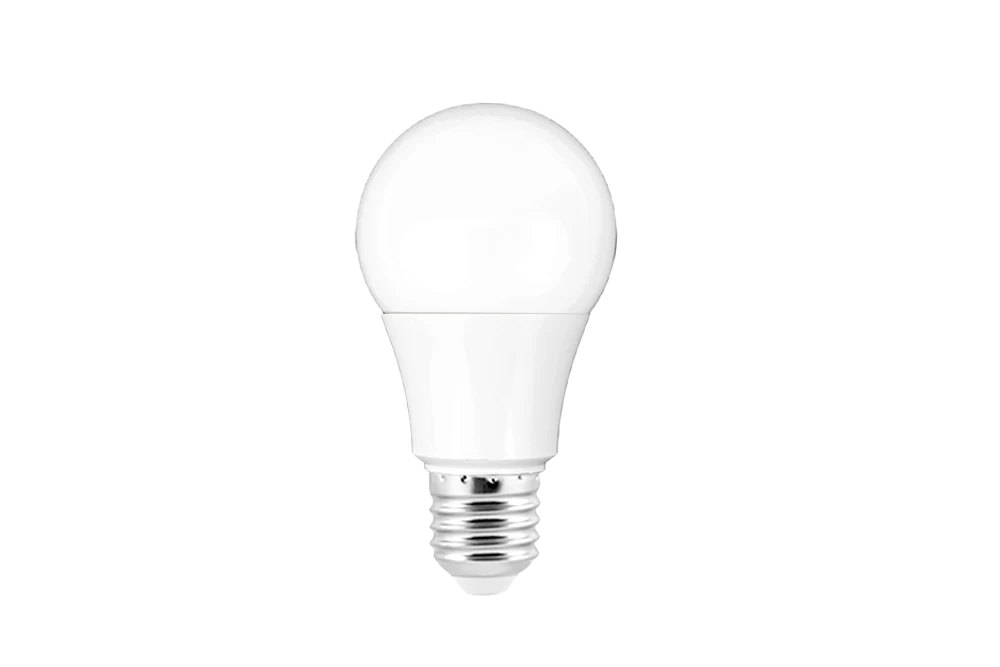
Your Full Spectrum Light Bulb at 34 dollars and 99 cents is meant to change with the sun, bright by day and free of blue and green at night. What does a bulb actually emit and block across the day, and where should it live in a small home.
Andy: It is an ordinary bulb with an extraordinary brief. By day it gives full spectrum light that feels close to daylight, which supports alertness while you work. In the evening it shifts to a warm, blue free and green free glow that keeps the room usable without the wavelengths most tied to nighttime wakefulness. The fitting is E27 screw, for Australia, the UK and Europe, so it suits a bedside lamp, a hallway or a kitchen pendant. I would start with the bedroom and the sofa lamp, the two places where light lingers latest. Use brighter light in the morning near a window if you can, dim through dinner, then let the bulb do the quiet work. One bulb will not fix a hard season of sleep. Paired with glasses and a steady bedtime, it helps the house tell the truth about what time it is.
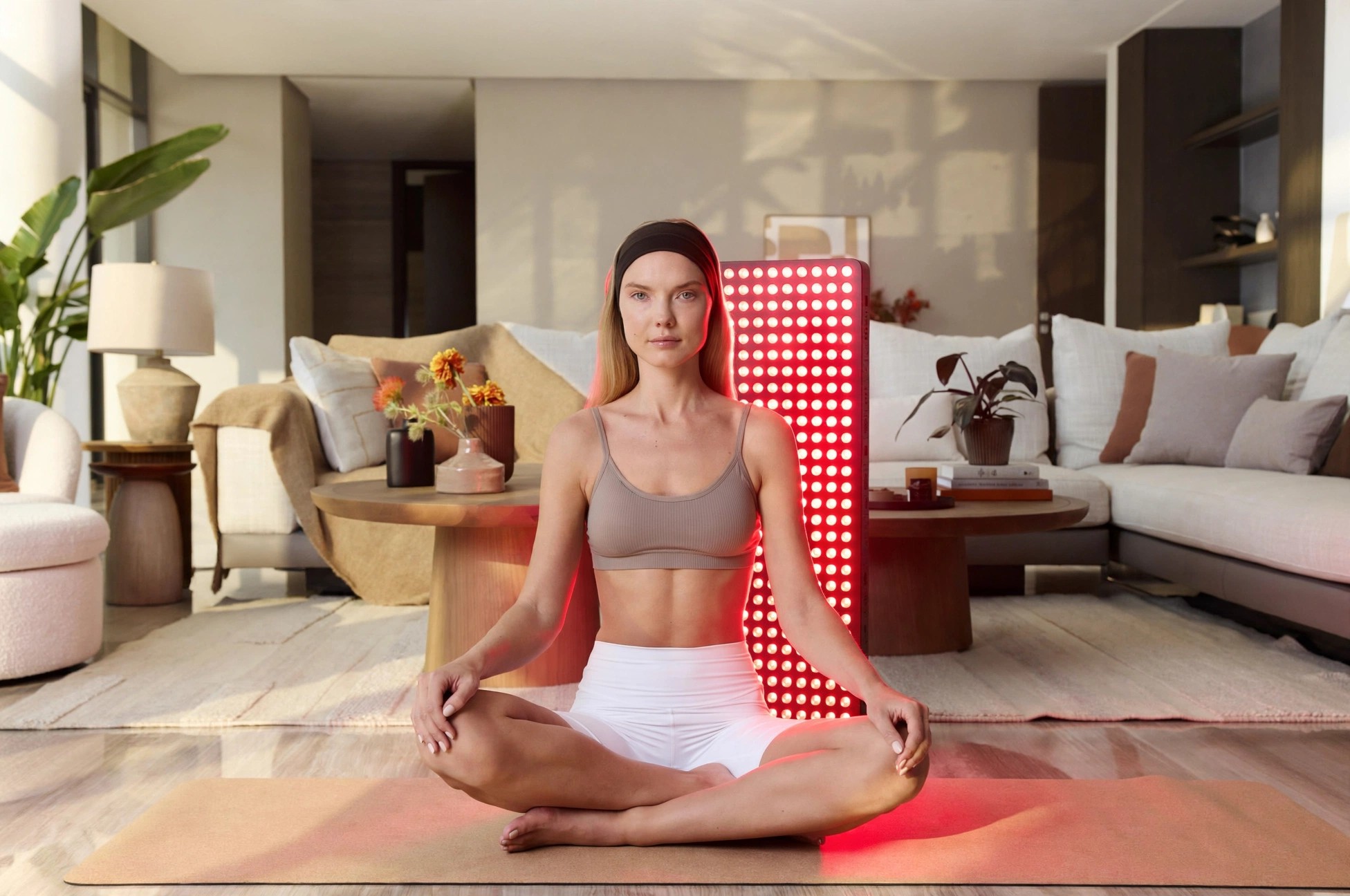
Your Mini at 278 dollars and 5 cents uses 660 nanometer red and 850 nanometer near infrared, 12 LEDs at 3 watts, over 100 milliwatts per square centimeter, held 10 to 30 centimeters away for a short daily session. What do those numbers mean for skin appearance and for the wind down.
Andy: The numbers describe dose, the way milligrams describe a powder. 660 nanometers is visible red light, the warm glow you see. 850 nanometers is near infrared, invisible to the eye, which is why the device looks like it is only half on. Our Mini uses 12 three watt LEDs at 36 watts total, with irradiance over 100 milliwatts per square centimeter at close range, zero flicker and low electromagnetic output. Place it 10 to 30 centimeters from clean skin, or on its stand, for a consistent daily session. Red light at 660 nanometers is used in our range to support the appearance of skin, smoother looking texture, softer looking lines. Near infrared is framed for deeper comfort and recovery. For the evening, keep it brief, calm and repeatable, then lights low. Think of it as a lamp with intent, not a treatment that should wake you up.
You say every product is road tested by the two of you in daily life for at least six months before launch, with lab and real life testing and input from a scientific advisory board. What failed that test, and what did six months reveal that six days could not.
Katie: Six days tells you if something is exciting. Six months tells you if it is livable. A headband that felt fine for a week left marks by week three. A bright morning lamp we loved made the bedroom feel like a studio, so it moved to the desk. With light tools, the issue is rarely power. It is heat, noise, cables, weight and whether you reach for it when you are tired. We test in our own nights because our customers live in real flats and houses, not showrooms. Lab checks confirm output and safety details, and advisers review our language so we stay careful. But the home test decides. If one of us stops using it without thinking, it goes back. We would rather delay than ask you to store a large device you only touch twice.
You stayed lean with 35 people, ship to 137 countries, count more than 400,000 customers, and grew without outside investment while expanding from glasses to red light, pulsed fields and sauna. What did staying small protect when the range got big.
Andy: It protected our pace and our no. Since then, we have been knocking down milestones with a lean but high performing team and expanding to red light, pulsed electromagnetic field and sauna technologies, all without taking any outside investment. That sentence is factual, but the feeling is simpler. We can wait. We can keep a product in testing until the glare, the hum or the instructions feel right. We can keep prices honest by avoiding theater. We can answer customers ourselves when a bulb flickers or a strap frays. Scale brings pressure to launch fast and speak loudly. Staying small lets us speak softly and check our words. We say science backed to mean we read the literature, measure output and test with third parties for accuracy. We say simplify wellness to mean fewer steps, done nightly. Growth is welcome, but calm is the product.
Closing note from the desk
What stays with us is the drawer. Two amber frames in a spare bedroom, ten sleep trackers, one honest post. That beginning still sets the tone, modest tools, tested at home, described without swagger.
BON CHARGE set out to simplify wellness through light, to make evenings darker in the right way and mornings a little lighter. For readers who live on screens and want a gentler night, the offer is clear. Dim the house, cover the spectrum, keep a short ritual, then let sleep come as it will.
Product spotlight
Brooklyn Blue Light Blocking Glasses, 129 dollars and 99 cents, one frame. Made to block 100 percent of blue and green light between 400 and 550 nanometers after dusk. Wear from sunset to lights out for reading, dishes and low lamp living. Clean gently and store by the bed.
Full Spectrum Light Bulb, 34 dollars and 99 cents, E27 screw fitting for Australia, the UK and Europe. Full spectrum by day, warm and blue free and green free at night to support a steady circadian rhythm. Place in a bedside or sofa lamp and dim through dinner toward lights out.

Courtney Belknap
Courtney produces the interviews at Well with Luna: the research, the question lists, the late follow-up calls. She asks every founder about the worst night that started the company, and then about the dose.
More from Courtney Belknap →