- 64 adults ages 45 to 65 finished a 12-week test of 10 grams of daily creatine monohydrate against placebo, with or without training and light dieting
- People who did not train still added near 2.4 pounds of lean tissue and lifted more on leg and bench press
- Training plus creatine raised strength and lowered body fat share, without extra change in aerobic capacity
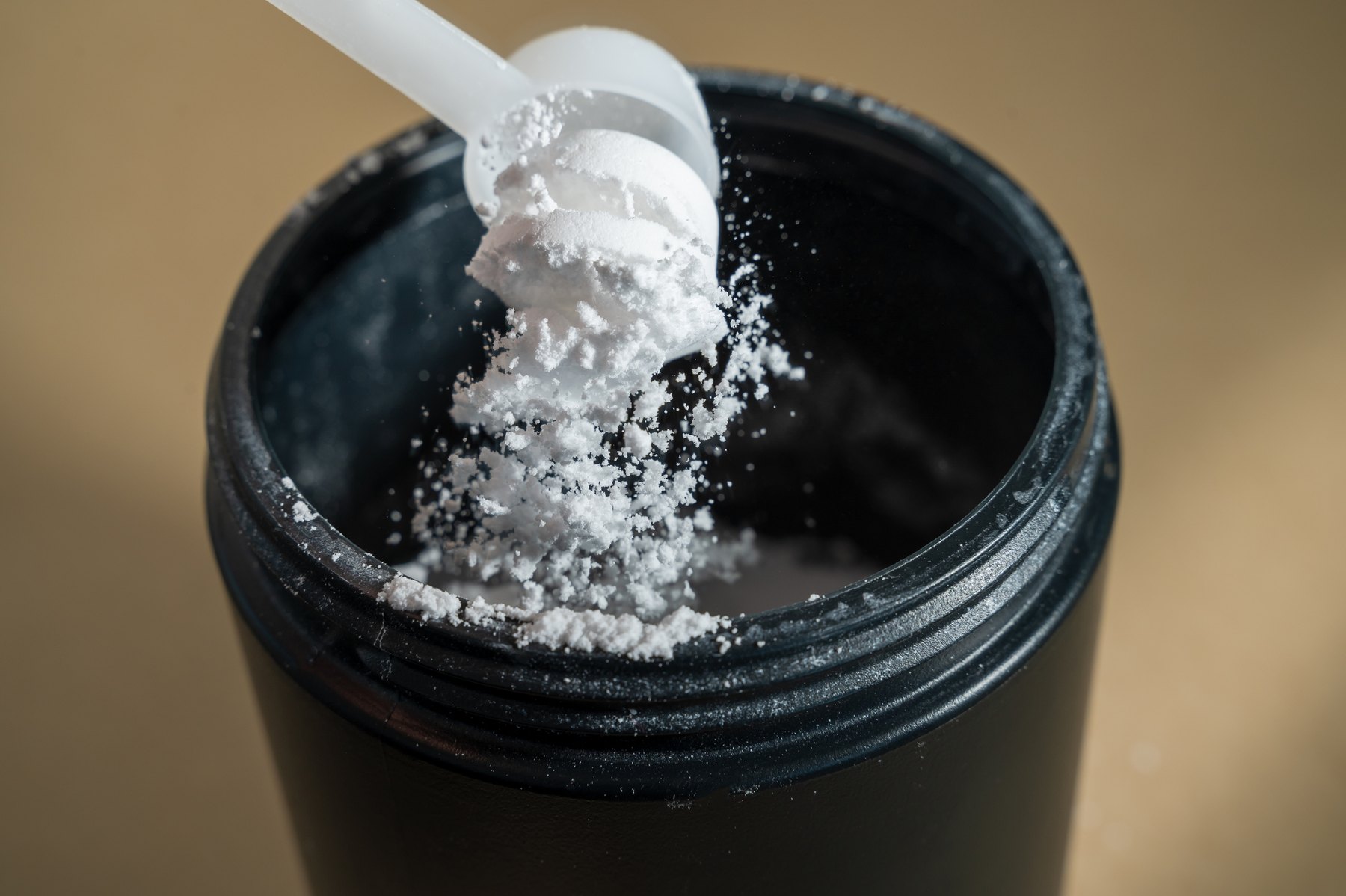
For a calm evening read, researchers at Texas A&M University published a 12 week randomized trial on August 11 testing 10 grams of daily creatine monohydrate against placebo in 64 healthy adults ages 45 to 65, with and without training and modest dieting. People who did not train yet took creatine added about 2.4 pounds of lean tissue and gained strength.
Volunteers first picked whether to enter a structured exercise and diet induced weight loss program or to stay in the non-exercise group. Each group was then assigned at random to creatine or placebo. The training plan combined resistance work and aerobic work three times per week, while people in that arm ate for a small calorie deficit.
Among those who did not exercise, creatine raised leg press strength and bench press strength across the 12 weeks. In the training and diet arm, participants on creatine added nearly three pounds of lean tissue and lost fat mass. By comparison, the training and diet arm on placebo showed little shift in lean tissue.
Creatine added to training also produced larger increases in leg and bench press strength and time to exhaustion. It gave no extra advantage for aerobic capacity. People on creatine showed a larger fall in body fat percentage than training and diet alone, which the authors describe as the first such result for creatine joined with exercise and diet induced weight loss.
For readers in midlife, the setting is keeping what you have. Muscle and strength often decline with age and during weight loss, and holding onto lean tissue keeps ordinary movement easier to sustain. A powder that supports lean tissue without formal workouts sounds gentle, but training still counted here for bigger strength gains.
There are limits to hold in mind. Because volunteers chose the exercise path before randomization, contrasts between exercisers and non-exercisers are weaker than contrasts of creatine against placebo. The report covers one 12-week study in 64 completers. It does not give long term outcomes, results beyond ages 45 to 65, or the cognitive and health marker outcomes named in the paper title.
Dose and daily habits also ask for tender attention in the evening. The trial used 10 grams each day, not several doses. Food intake, protein intake and everyday activity in the non-exercise group may have influenced the findings. In soft lamplight, a 2025 analysis of 685 clinical trials by the same research group found no significant difference in reported side effect rates between creatine and placebo. This current trial was guided by Dr. Richard Kreider, professor and director of the Exercise and Sport Nutrition Lab at Texas A&M, and supported by the WoodNext Foundation through the Texas A&M Foundation.
For now, take this as a narrow finding rather than a nightly rule. Creatine supported lean tissue and strength in this group, supported more when paired with training and dieting, and left aerobic capacity unchanged.

Courtney Belknap
Courtney produces the interviews at Well with Luna: the research, the question lists, the late follow-up calls. She asks every founder about the worst night that started the company, and then about the dose.
More from Courtney Belknap →