The hour before bed often decides the morning. A warm cup can mark that turn, from bright screens to lamp light. This talk is about two cups that hold mushroom extracts, one made for focus at first light and one made for quiet at night.
Four Sigmatic notes 100 million cups served across ten years, a sign of how far a Finnish foraging childhood reached into American kitchens.
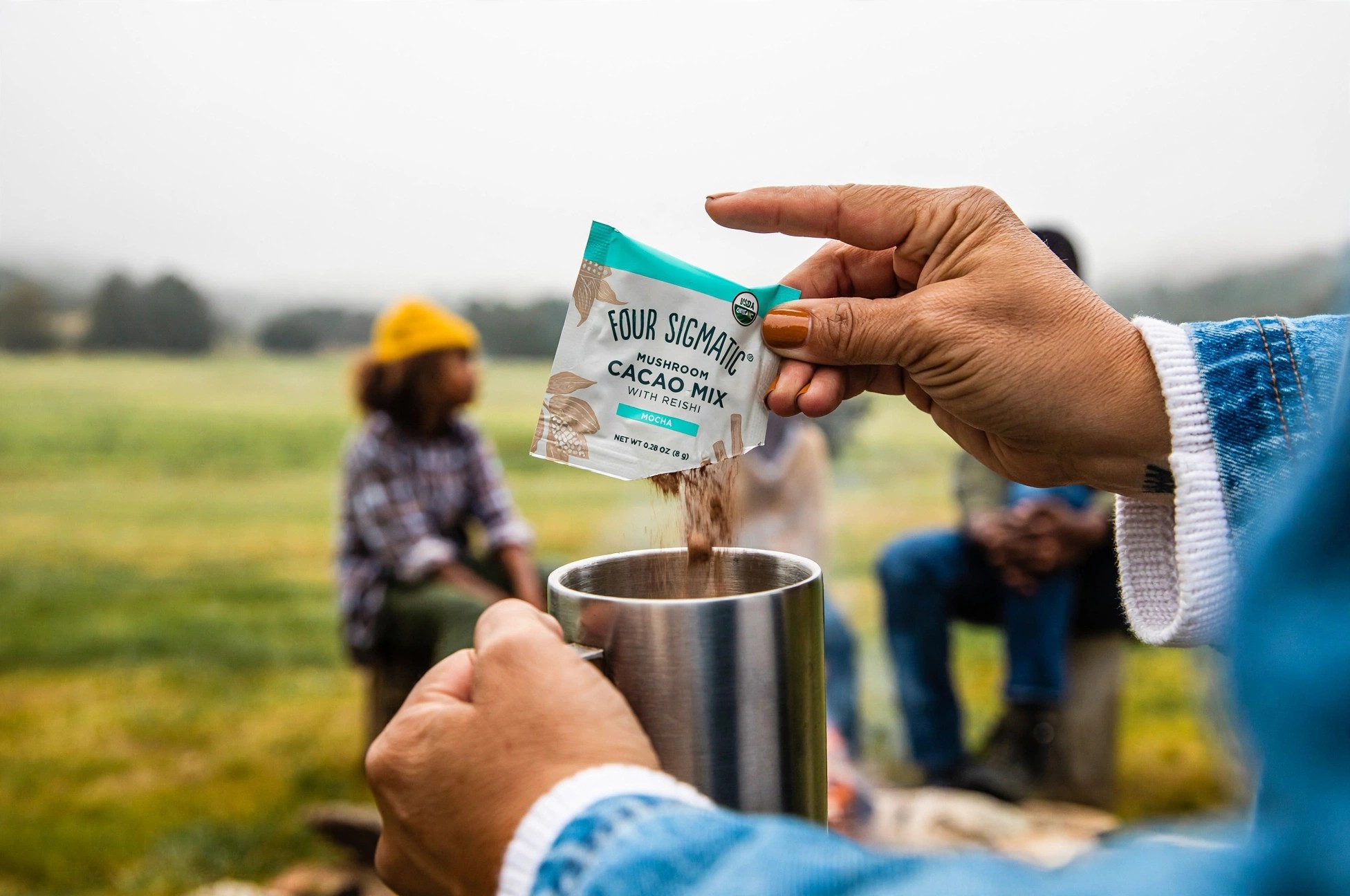
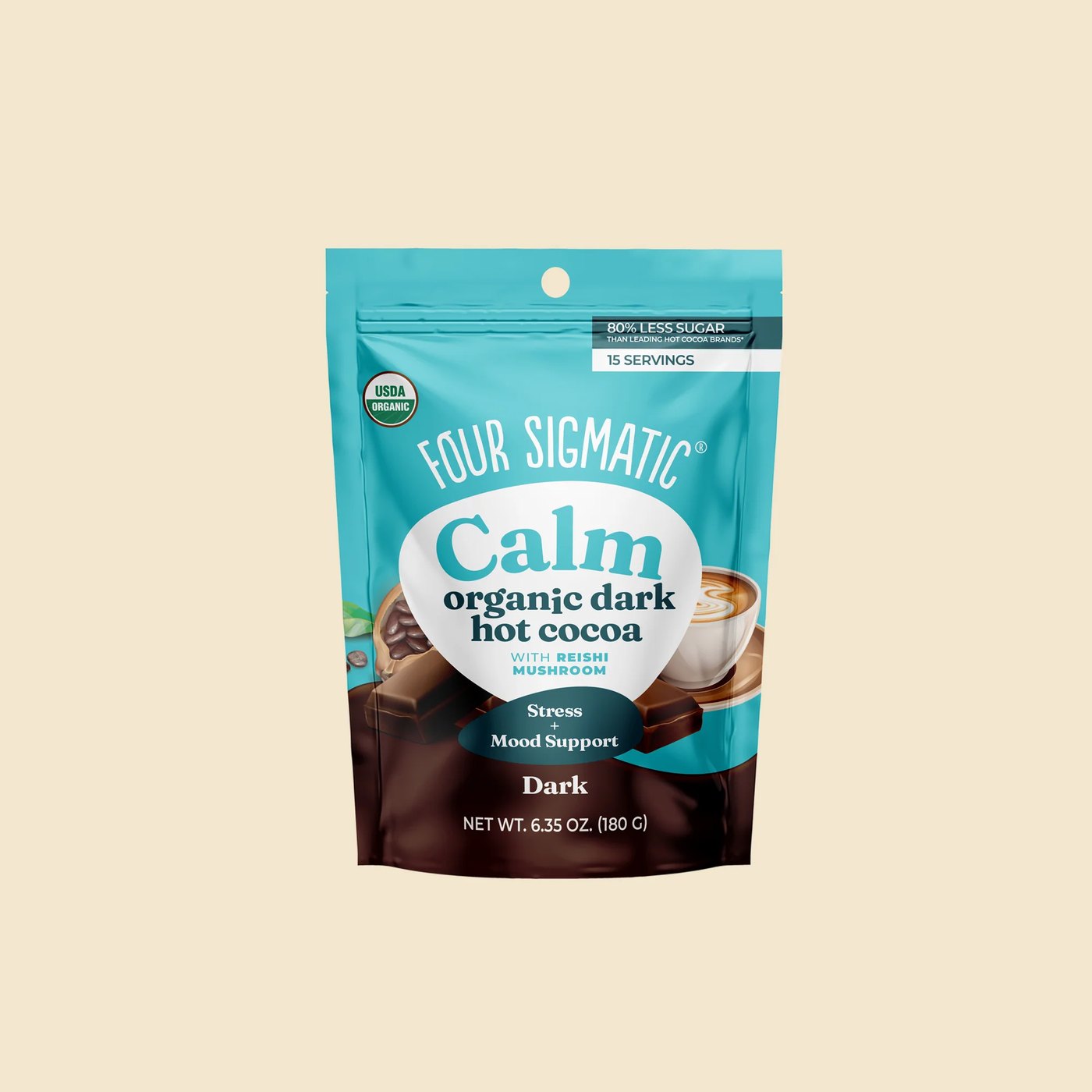
A dark cocoa stirred into warm milk has its own hush. The powder smells of cacao first, then something earthy underneath. That second note is reishi extract, measured and blended before packing. It is a small detail you can smell before you read the label.
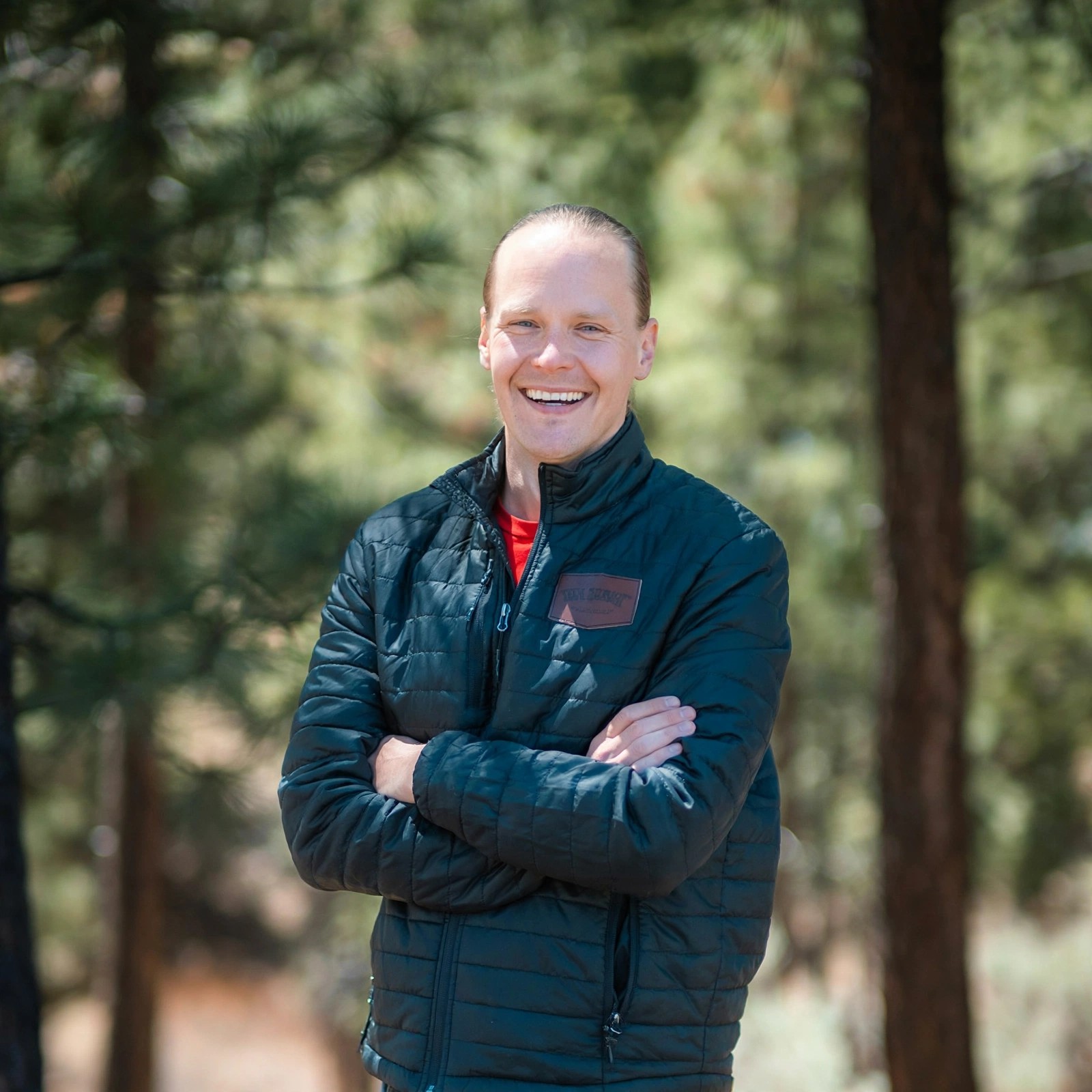
Tero Isokauppila spent his early years on a family farm in Finland held for 13 generations. His father worked as an agronomist in soils and crops. His mother taught anatomy and physiology to nursing students. The household gathered wild fungi and healing plants in nearby woods. His grandparents brewed chaga during times when coffee beans were scarce.
The present range is simple to spot in stores. Ground coffee, instant coffee, lattes, cocoa and creamers blended with extracts of lion’s mane, chaga, reishi, cordyceps and turkey tail. We come to it as a nightstand question. Isokauppila did not start with pills or drops. He placed extracts inside drinks people already prepare each day. That choice shapes the sourcing, the lab work and the label language that follow.
Tero, your grandparents brewed chaga when coffee beans were hard to find. What do you remember of that brew, and how did you first make sense of it?
My Finnish grandparents lacked coffee beans at times, so they used chaga for a brew that supports immunity. In Finland such swaps were matter of fact, not sentimental. You prepared what the woods provided.
I later trained in chemistry and nutrition, and that path brought me to nutrition coaching for pro athletes and other top performers early on. While coaching I grew curious about functional fungi and adaptogens for performance, from chaga and rhodiola of Finnish woods to kinds I met abroad. What remained from boyhood was the vessel. A dark, hot, bitter drink in a mug. Later, when I asked how people might take mushrooms often, my mind kept returning to that mug.
You grew up on a family farm in Finland held for 13 generations. What did that land teach you about ingredient origins?
I was raised in Finland on a family farm kept for 13 generations. My father served as an agronomist, a specialist in soil science and crop care. My mother instructed nurses in physiology and anatomy, so our table held talk of fields and bodies together.
As children we passed much time outdoors, gathering wild fungi and healing plants while learning how the body functions. Finland asks for grit and closeness to woods. You memorize the season of each species. You know which birch grove holds chaga and which hillside holds rhodiola. You bring it in, dry it, keep it. That felt ordinary long before commerce.
Your promise is rich mushrooms made tasty and simple in daily drinks. How do you pair each species with each evening drink?
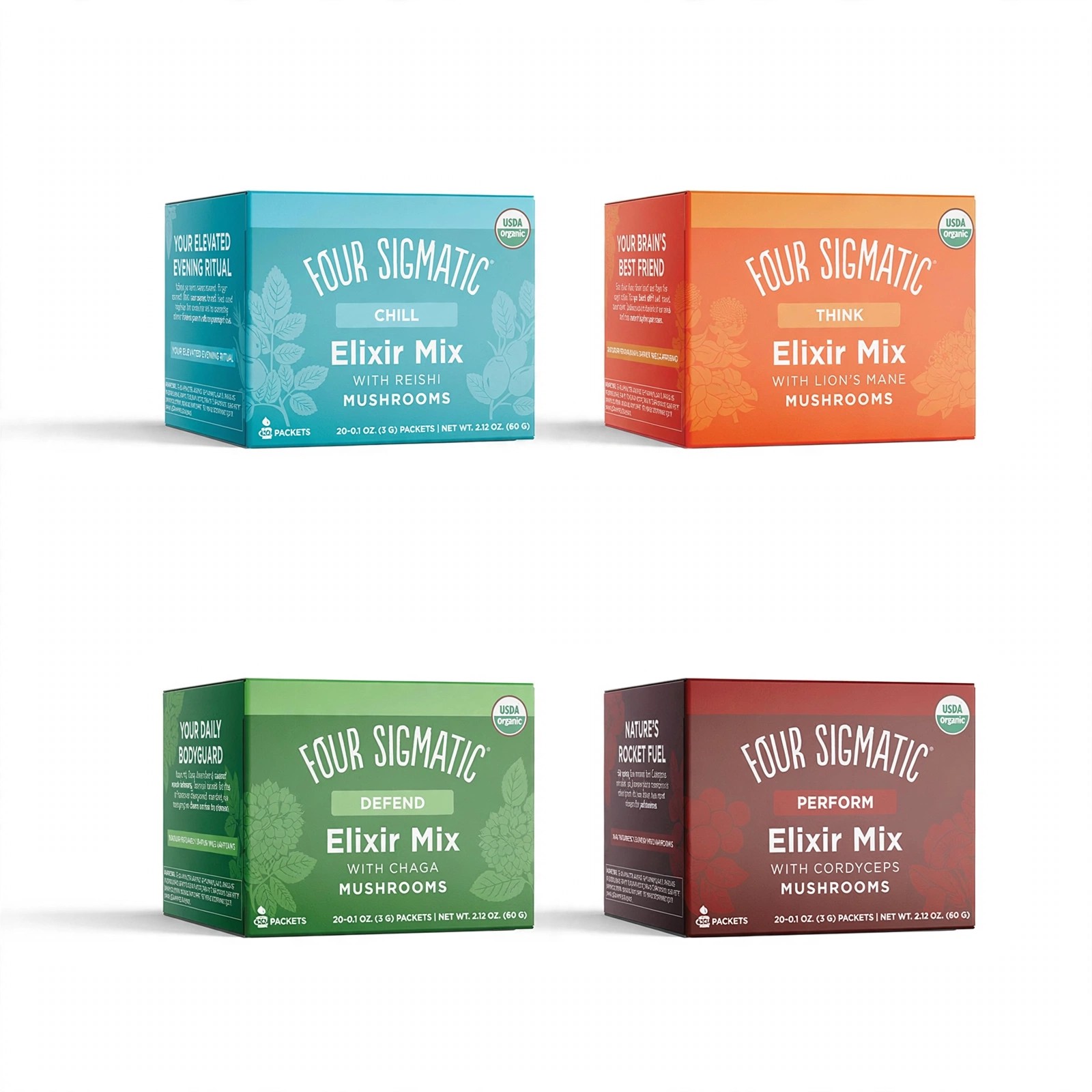
We assign species to parts of the day, and the pack names that use. Our coffee lines use lion’s mane for focus. Chaga is used to support immunity and focus. Reishi is used to support calm. Cordyceps is used for energy. That is the quiet reason the shelf looks the way it does at night.
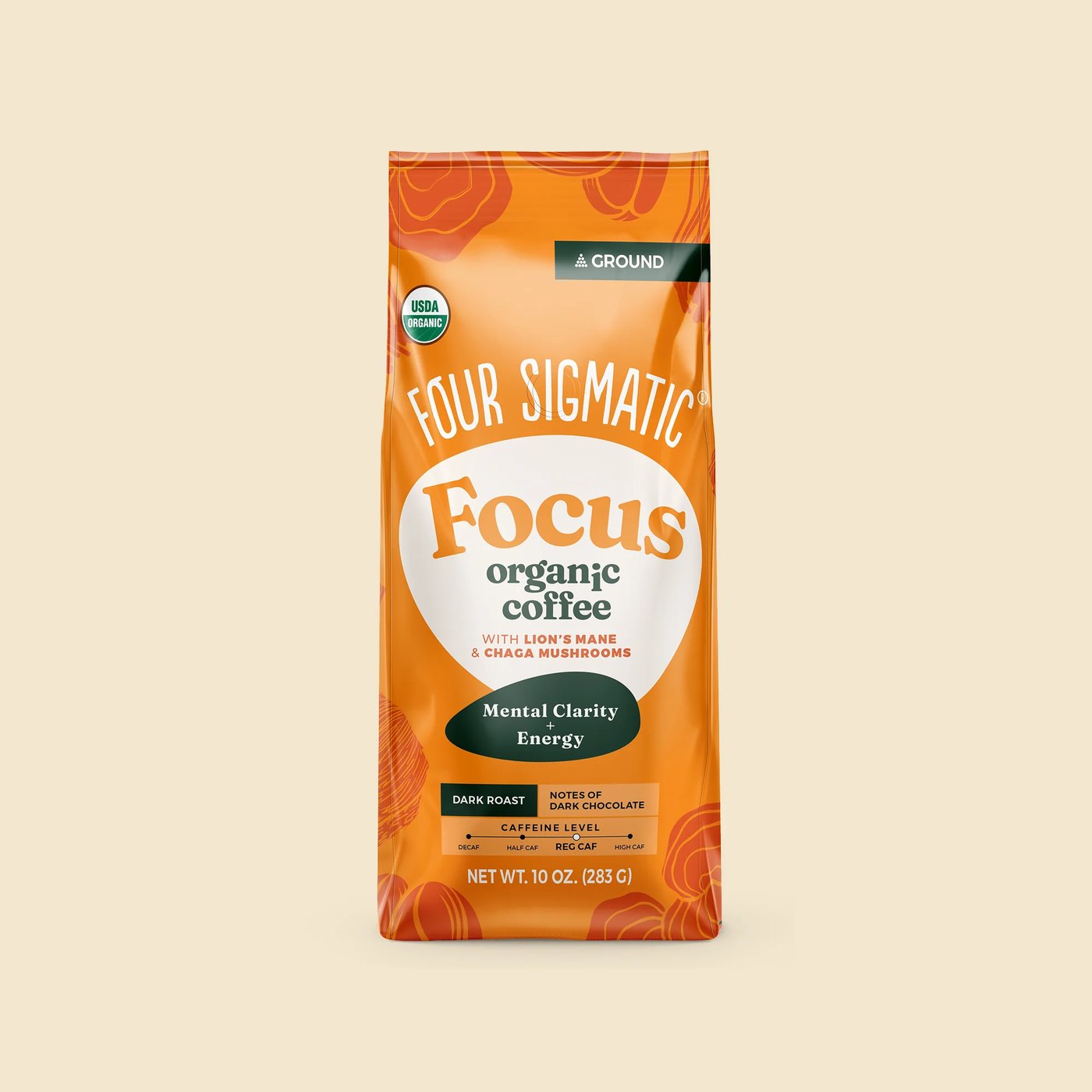
Focus Ground Coffee, a dark roast, holds organic ground coffee with lion’s mane and chaga extracts. You prepare it as drip or filter coffee to settle to tasks. Original Mushroom Coffee holds organic Arabica instant coffee with fungi, adjusted across years for flavor. Calm Dark Hot Cocoa holds unrefined cacao with reishi. You mix it with warm water or milk as cocoa. We decline synthetics, fillers, or harsh chemicals in these mixes. In plain terms the list stays brief, and taste must come from coffee, cacao, coconut milk, spice or like foods.
In 2012 you began Four Sigmatic in the United States with a small Finnish team. What did early lots look like as they moved through packing?
In 2012, I launched Four Sigmatic hoping to bring Everyday Magic to lives. We began in a modest way. Instant coffee with fungal extract, sealed in single serve sachets. One coffee lot, one extract lot, mixed and filled to a fixed weight per sachet.
At first, we needed to reassure myco phobic Americans that culinary fungi support health, do not cause a high, and do not leave coffee tasting of soil. That took daily care. We kept away from psychedelic or mind altering kinds. Only food grade and functional species already eaten as foods. We held the recipe plain so coffee remained coffee. Naturally, raising funds as newcomers without credit scores brought a separate strain. We understood growers and extracts, yet held no local credit record. Each order counted.
You studied chemistry and business and earned a plant based nutrition certificate at Cornell, then coached athletes. When did cups take the place of pills for you?
I saw that more people might enjoy mood, energy, and mind benefits if the form tasted good and stayed easy. That line steered the firm. Athletes under my care sought no extra pill case. They sought a morning ritual they could hold.
When I began Four Sigmatic, I believed I had begun a mushroom superfood firm. Those were my words then. With time I saw we tend to daily strains and mental wellness for our buyers. So attention moved from which fungus to which hour. Coffee at dawn. Cocoa near lights out. Latte midday. So with a few Finnish fun-guys, we made functional fungi into drinks people have each day, like coffee.
If lot 40 tastes different from lot 39, we hear about it by nightfall.
Tero Isokauppila
The brief says you study and lab test ingredients. For someone reading the panel at the nightstand, which checks cover a normal lot and who carries them out?
We study and lab test ingredients, and we craft goods with no fillers or artificial flavors. On arrival, each extract lot is checked for identity to verify species. Then moisture, heavy metals and microbes are tested against fixed caps. A certificate of analysis records the result under that lot number. Third party lab signals a site apart from the vendor verifies the outcome.
What I wish shoppers to grasp is what files affirm and what they leave open. A certificate affirms that a sample from one lot met tested caps on the test date. It will not name the grove or the farm unless the lot file ties to harvest or grow records. We hold lot files so a sealed bag or box links to its source lots. Some links prove easier to file than others, notably when dried matter moves through dryers, mills and extraction units prior to arrival.
You say you prefer loyal buyers to famous faces, and that you plant trees rather than only buy offsets. Where does that appear in supply files?
To me, a sincere buyer review holds more weight than a celebrity endorsement. We grew through repeat orders, not known faces. That demands steadiness. If lot 40 tastes unlike lot 39, notes reach us fast.
For land, we report planting over 40,000 trees to counter CO2 rather than merely buying emission offsets. Planting gets logged by plot, date and seedling count, with live checks later. It stands outside the ingredient chain, yet shows the same creed. I would rather shape a fully sustainable firm than use people or planet. The farm of my youth held soil as a long ledger. You never take without marking what you give back.
From instant sachets to ground coffee that leads Amazon and sits in Walmart, Whole Foods, Target, GNC, Albertsons and Vitamin Shoppe. What shifted in sourcing as volume rose?
Growth altered files more than formulas. A small run may rest on one dryer lot from one zone. A long run calls for many source lots to fill one blend, each bearing its own certificate, mixed to one spec. Encapsulation in this context is no shell capsule. It is the pouch or bag fill, the weight per cup, and the seal that bars damp.
By 2024 our lead mushroom coffee passed ground coffee on Amazon, and rested in Walmart, Whole Foods, Target, GNC, Albertsons and Vitamin Shoppe. Each chain seeks its own files, from site registrations to allergen notes. A coconut milk creamer and a cacao cocoa call for allergen care on shared lines, even where fungal extract alone holds no milk. Hence lot separation and line clearance logs count like extract ratios. The mug held in hand looks plain. The folder behind runs deep.
If someone wishes to follow one bag toward the field now, what is visible and what stays dim?
What stays visible is the pack. It names coffee or cacao, the named fungal extracts, and remaining items by weight order. It gives serving size, cups per pack, and pack site. If they send us the lot code from the bag, we can fetch the mix and pack log for that run and the certificates for its source lots.
What stays dim is full detail of the first mile. Wild dried chaga can join bits from many pickers ahead of extraction. Farmed lion’s mane and reishi can leave indoor rooms picked on separate days. Extract firms grind and merge for evenness, which aids sameness yet softens a lone farm tale. To name a grower for each cup would need farm kept separation from pick through drying, extraction and mixing, with checks at each pass. That stands feasible. It costs higher and asks for readers of such files. Prioritize your own health. If you are not well at night, your company will not be well. I offer that to founders, and I offer it to shoppers on filing. Begin with the sheet you can review tonight.
Closing note from the desk
What lingers after these answers is the calm of the carrier. Coffee for first light, cocoa for the long exhale. Each holds a weighed dose of extract within a rite you already keep, with a brief list and a lot code you can quote.
Four Sigmatic sought to bring what Isokauppila names Everyday Magic to lives, which in softer terms is fungi in day drinks with no synthetics or fillers, checked lot by lot. The path to the woods is partial, as this talk shows. Records run firmer at mix and pack than at pick, and the house says so by citing packs and certificates over farm names.
Product spotlight
Focus Ground Coffee is organic dark roast ground coffee mixed with lion’s mane and chaga extracts, at 20 dollars for a 1 pack. It suits mornings when you wish extract in brewed coffee and not in pills. Make by your usual ground method and store sealed and dry to guard scent.
Calm Dark Hot Cocoa is unrefined cacao mixed with reishi, at 20 dollars for a 1 pack, with 2 pack at 40 dollars and 4 pack at 80 dollars. It suits the late hour when you wish a warm milk or water drink. Whisk into hot water or milk till smooth and drink warm.

Courtney Belknap
Courtney produces the interviews at Well with Luna: the research, the question lists, the late follow-up calls. She asks every founder about the worst night that started the company, and then about the dose.
More from Courtney Belknap →