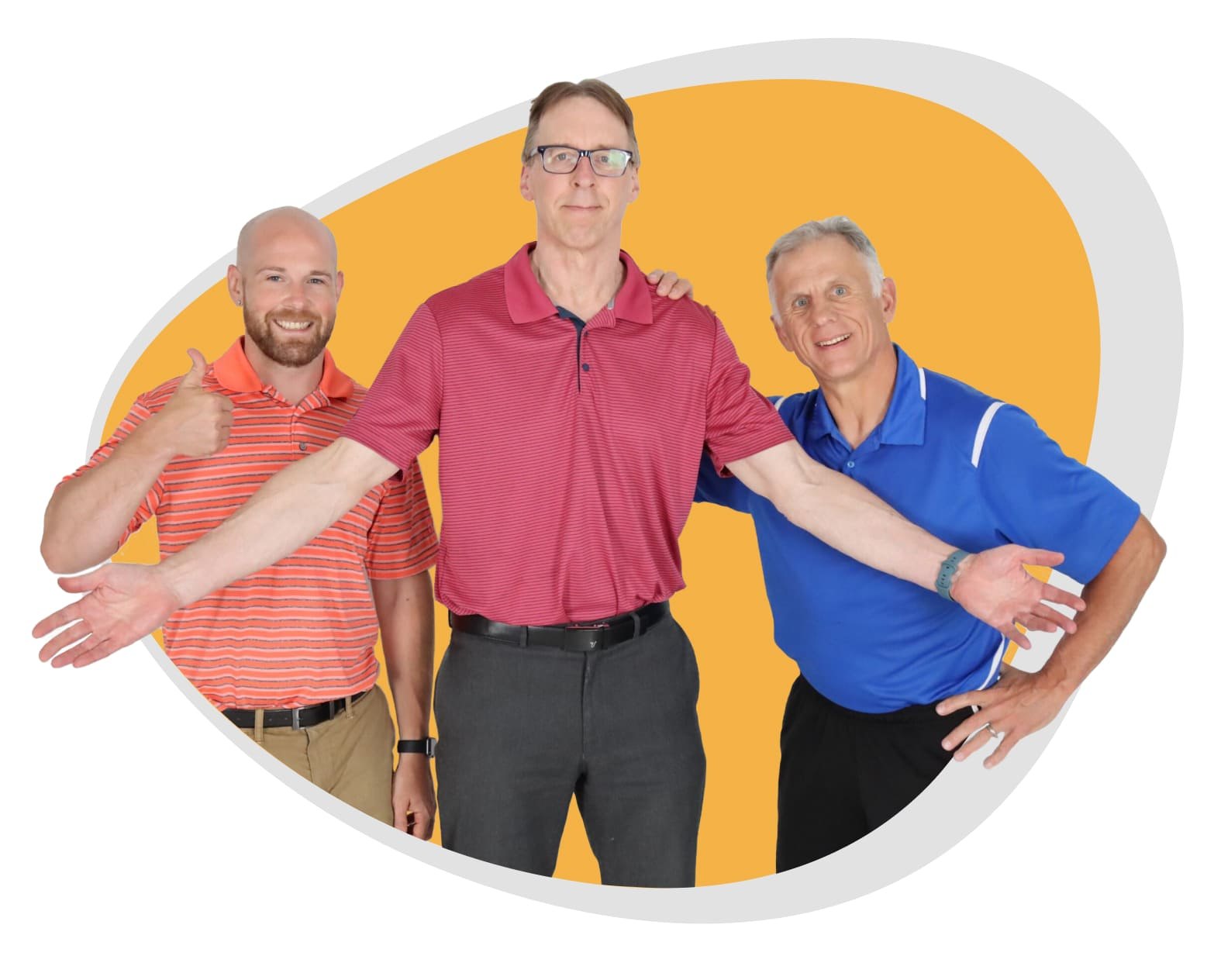
Better nights often start with a screen, which is the contradiction this conversation sits inside. Well with Luna usually suggests less light and less noise before bed, yet millions of achy people end their day watching two physical therapists from Minnesota on a phone propped against a pillow. Bob and Brad built their name on YouTube, a place not known for rest, by helping bodies settle enough to sleep.
The channel began in 2011 in Bob Schrupp’s basement in Winona, Minnesota. Bob, a physical therapist, and his longtime clinical colleague Brad Heineck first made DVDs for senior center nurses at risk of injury from patient lifting. The DVDs did not sell. After hearing speaker Gary Vaynerchuk argue that anyone could build something by staying with YouTube, they tried posting there instead. Their first video showed how to help prevent falls in the elderly.
For the first couple of years, almost no one watched. Bob almost gave up, then got excited when a video drew five views. One video went viral on Reddit, and views climbed from 200 a day to 1,000 a day to 100,000 subscribers. Today the archive holds some 4,000 videos, the channel has more than 5.3 million subscribers, and scores of Bob and Brad pain relief tools sell in 4,000 Walmart stores and online.
What others sometimes miss is how deliberately unpolished it all stayed. No retakes. No rehearsal. A Midwestern dad humor that keeps clinical advice from feeling clinical. Co-founder Bob Schrupp died on Aug. 6, 2025, after living with cerebellar ataxia, and Mike Kenitz, a physical therapist assistant, now periodically appears on screen beside Brad. This interview is with Brad, in his own words and in Bob’s remembered words, about sore evenings, simple tools, and the hour before bed.
You filmed your first video about preventing falls in the elderly in 2011, when YouTube was not much of a thing. What kept you posting when only a handful of people watched?
In our opinion, of course, we just thought somebody might need it. Bob started in his basement because he wanted to help people alleviate pain or live pain-free lives, and I had worked as a clinical therapist for him for many years. We first tried DVDs for senior center nurses who get hurt lifting patients, and those did not sell at all. Bob heard Gary Vaynerchuk say anybody could make a living on YouTube by sticking to it, so we tried it.
Early on, it boggled our minds when even 20 people would watch and comment on a video we made. Bob would get excited when a video got five views. Then one video went viral on Reddit, and it went from 200 a day to 1,000 a day. We got in early and had a bit of luck. Our timing was great, it was almost like a land grab. It would be harder to get started today. Consistently creating good YouTube content is harder than people think, as is speaking in front of a camera. But we would rather give free easy home therapies to millions than limit help to clinic patients, so we kept going.
Your rule was always no retakes and no practice, and you have said if you screwed up you would just run with it. How does that one-take style shape the way people use your videos at night?
We would never do a retake. We would never practice whatever came out. If it wasn’t right, if we screwed up, we would just run with it. That was Bob’s idea from the start. He was always looking for something to do and more up-to-date, and he thought people would trust us more if we looked like ourselves.
It was his life’s passion. He wanted people from ages zero to one hundred to get fit, stay healthy, and live pain-free, and he thought a formal clinic tone would get in the way. So we learn, laugh, and live a healthy, fit, and pain-free life. That is what we say. At night, I think it helps that we are not perfect. You are on the sofa, you are sore, the lamp is still on, you do not want someone shouting at you. You want someone kind who shows a stretch twice, makes a joke, and lets you pause the video. We would rather keep tone unpretentious and funny than formal and clinical.
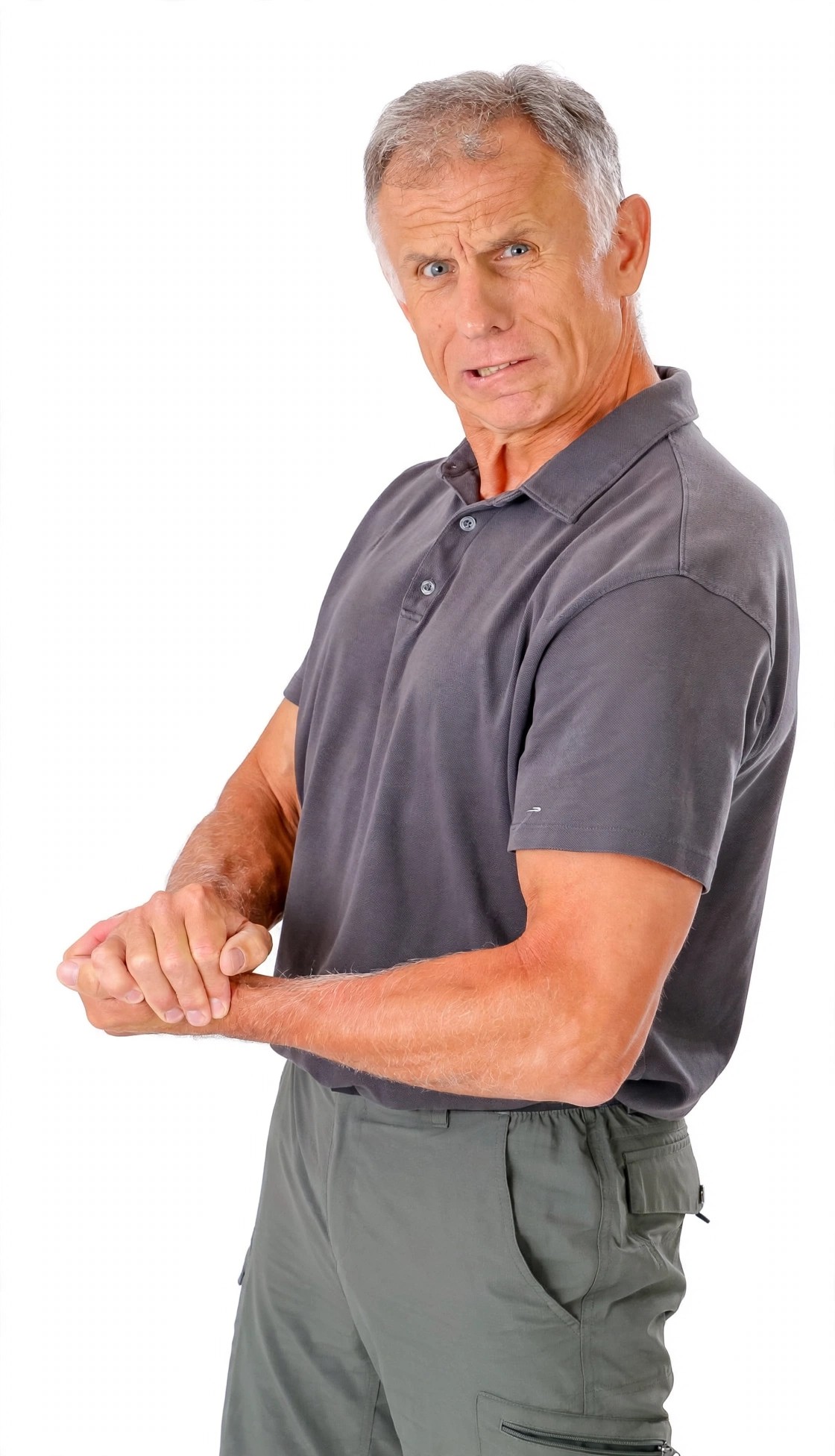
Bob often said he owed everything to Mayo Clinic, and that getting into a Mayo school boosted his self-confidence. How did that clinical training show up in such simple home videos?
Bob said, I owe everything to Mayo Clinic. Getting into a Mayo Clinic school boosted my self-confidence, and my education and experience at Mayo have served me well in life. He meant it. He was trained to look closely, to keep things safe, to explain clearly.
What we do looks simple, and it is meant to look simple. Easy to use therapies and exercises to help people get fit and stay healthy. But behind that is years in the clinic. We saw what back pain does at 2 a.m. We saw what stiff knees do on stairs. So we show a movement, we say who it may help, we say stop if it hurts. We would rather do one take with mistakes than do retakes or rehearsals, but the content itself is careful. In our opinion, of course, simple does not mean careless. It means you can follow it in a bedroom with very little space and no special clothes.
Bob lived with cerebellar ataxia in his later years, and Mike Kenitz began filling in on screen around 2020. How did you talk about that change with viewers who watched at night to wind down?
That was hard, and we tried to be plain about it. Bob’s ataxia made speaking and moving on camera harder, so Mike Kenitz began periodically replacing Bob on screen as his ataxia worsened. Mike is a physical therapist assistant, part of our team, and viewers had already seen family and staff around us.
We did not want to pretend nothing had changed. Bob died on Aug. 6, 2025 at age 65 in Winona, and that loss is still with us. Jamie Tesch is president of Brad and Bob LLC now, and we are still powered by health professionals, fitness experts and social media staff including family. What I tell people is that Bob built this to outlast him. He wanted help to live where people live, not only in the clinic. So Mike steps in, I keep showing up, and we keep the same rule. One take. Kind voice. Go at your pace. If you are watching late and you miss Bob, I understand. I do too.
Many readers reach for a massage gun or heat in the hour before bed, hoping tight shoulders will soften enough for sleep. What do your tools actually do, and what should a sore person expect?
A percussive massage gun delivers rapid pulses to muscles. People use it for workout recovery and for temporary relief of muscle soreness. That wording matters. It may help some people feel looser for a while. It does not fix posture or cure pain while you sleep.
If you like it, keep the evening use short and soft. Low setting. A few minutes on tight shoulders or calves, not on bone, not on your neck in a hard way. Sit supported, breathe slowly, and stop if it feels sharp or leaves soreness behind. Some people prefer warmth or a slow stretch instead, and that is fine. You do not need a nightstand full of gadgets to rest. Pick one thing that feels good, use it the same way for a week, and notice how your first light feels. That is more useful than chasing a score.
Pick one thing that feels good, use it the same way for a week, and notice how your first light feels.
Brad Heineck
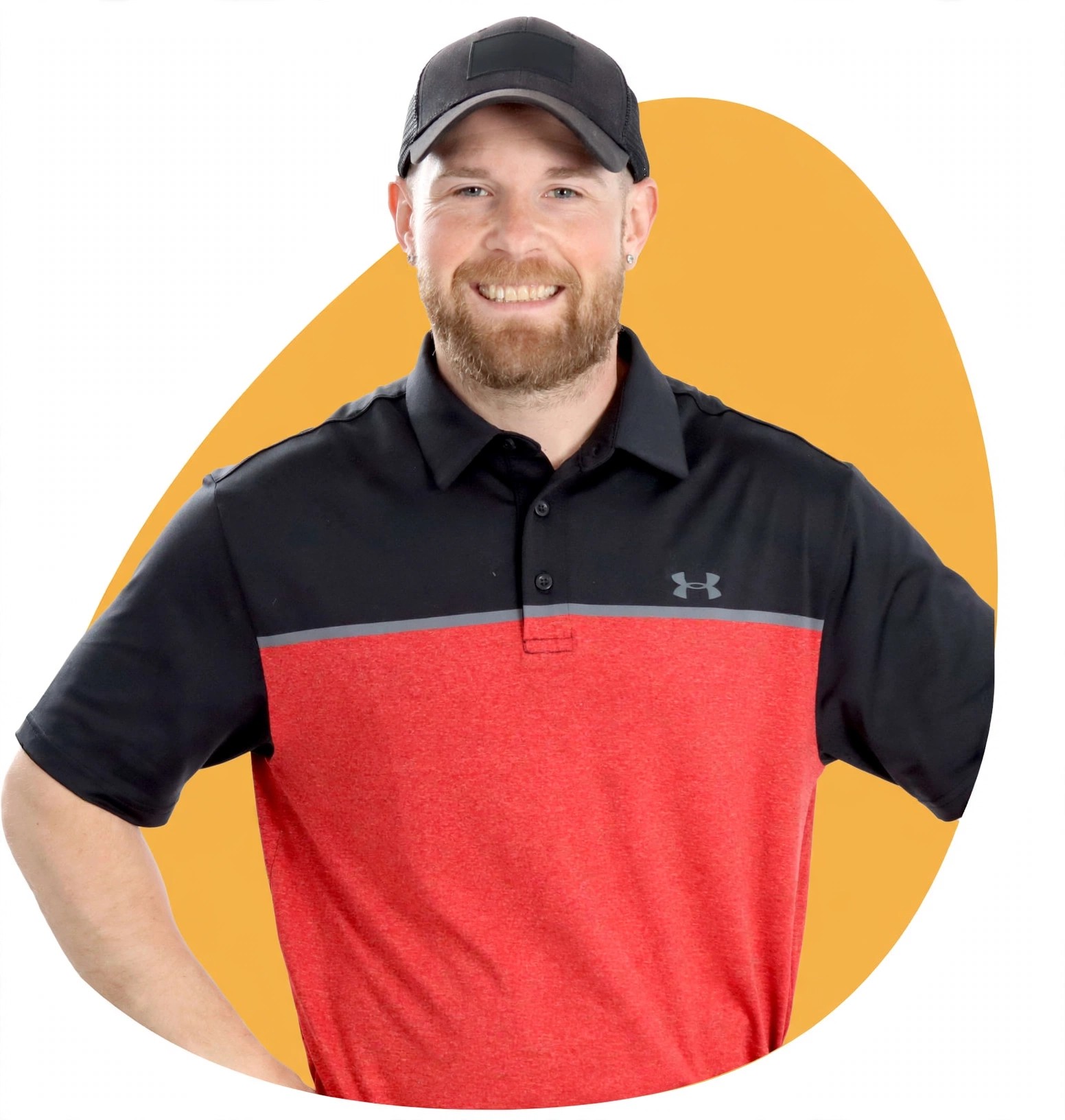
You went from giving advice away free to selling scores of products in 4,000 Walmart stores. How do you decide what to sell, and what do you refuse?
When companies came seeking advertising time, Bob and Brad picked the ones they liked, then grew into a corporate entity with a line of pain relief products sold in thousands of Walmart stores and online. That part surprised us. We will not sell products we do not like. That is the whole rule.
Some products are invented by us and others are endorsed products we pick, developed with a product development company in China that employs 70 people. If Brad and Bob would not use it at home, we do not put our names on it. We get asked why we do not make everything fancy. The answer is that most people need something easy to use at home, easy to clean, easy to afford. In our opinion, of course, the most famous physical therapists on the internet should still act like physical therapists. Show who it is for. Show how to hold it. Say when not to use it.
For the reader who works long days at a screen and wakes stiff at 3 a.m., what small evening routine do you suggest that does not require willpower?
Keep it very small. I am a physical therapist, not a sleep doctor, so I talk about comfort, not sleep promises. After dinner, stand up from the sofa once and roll your shoulders. Sit tall on the edge of the bed and turn your head slowly left and right. Pull one knee gently toward your chest while lying down, then the other. If your low back is achy, a pillow under the knees on your back, or between the knees on your side, may help some people feel supported.
Put the phone where you can still hear us but you are not craning your neck. Dim the lamp. Do the same two or three movements each night for a week. If something gives you tingling, numbness, or sharp pain, stop and ask your clinician. We want to help people from ages zero to one hundred, but that means respecting limits too. The long exhale counts. So does going to bed a little less tight than you were at dusk.
Night after night you sound upbeat, even when the topic is pain. Where does that humor come from, and what did Bob teach you about taking pain seriously without making the night heavier?
Bob taught me that. It was the work he cared about most, helping others live pain free, and he thought laughter helped people keep going. Pain can make the night feel very long. If someone on video is stiff and serious, you feel more alone with it. If he messes up a word and laughs and keeps going, you feel like you can keep going too.
We are two easygoing Midwestern dad figures, I guess. That is what people say. We like to be kind and practical. We would rather give free easy home therapies to millions than limit help to clinic patients, and we would rather keep it human. Bob is gone now, and I still hear him when I film. Do the simple thing well. Do not pretend. In our opinion, of course, a little humor before lights out does not mean your pain is small. It means you are still you, even on a sore night.
If someone finds you tonight for the first time, sore and scrolling between nine and eleven, where should they start so they feel steadier by morning?
Start with one video about the one spot that bothers you most. Not ten videos. One. Watch it all the way through first with the lamp on. Then try the movement slowly. If it feels okay, do a few reps. If it does not, stop.
Then set up for rest. Pillow where you need it. Tool put away so you do not trip in the dark. Glass of water nearby. Lights low. We set out in 2011 to provide the best collection of get-fit, stay-healthy, and pain-free information anyone could find, and that is still the idea. Get fit, stay healthy, and live pain-free. Learn, laugh, and live a healthy, fit, and pain-free life. You do not need to earn rest. You just need a body that feels a little safer going into the night. If we can help with that, we are glad you found us.
Closing note from the desk
What stays with us after this conversation is the steadiness. No retakes, no costume, no promise of perfect sleep. Just two clinicians from Winona who kept showing up in a basement and then a small studio, saying try this gently and stop if it hurts, until millions trusted that voice in the dark.
The brand set out to help people from ages zero to one hundred get fit, stay healthy, and live pain-free at home. After Bob Schrupp’s death, that work continues with Brad Heineck, Mike Kenitz, and a small team. It fits a real night rather than a perfect one, and that is why it belongs in Well with Luna.
Product spotlight
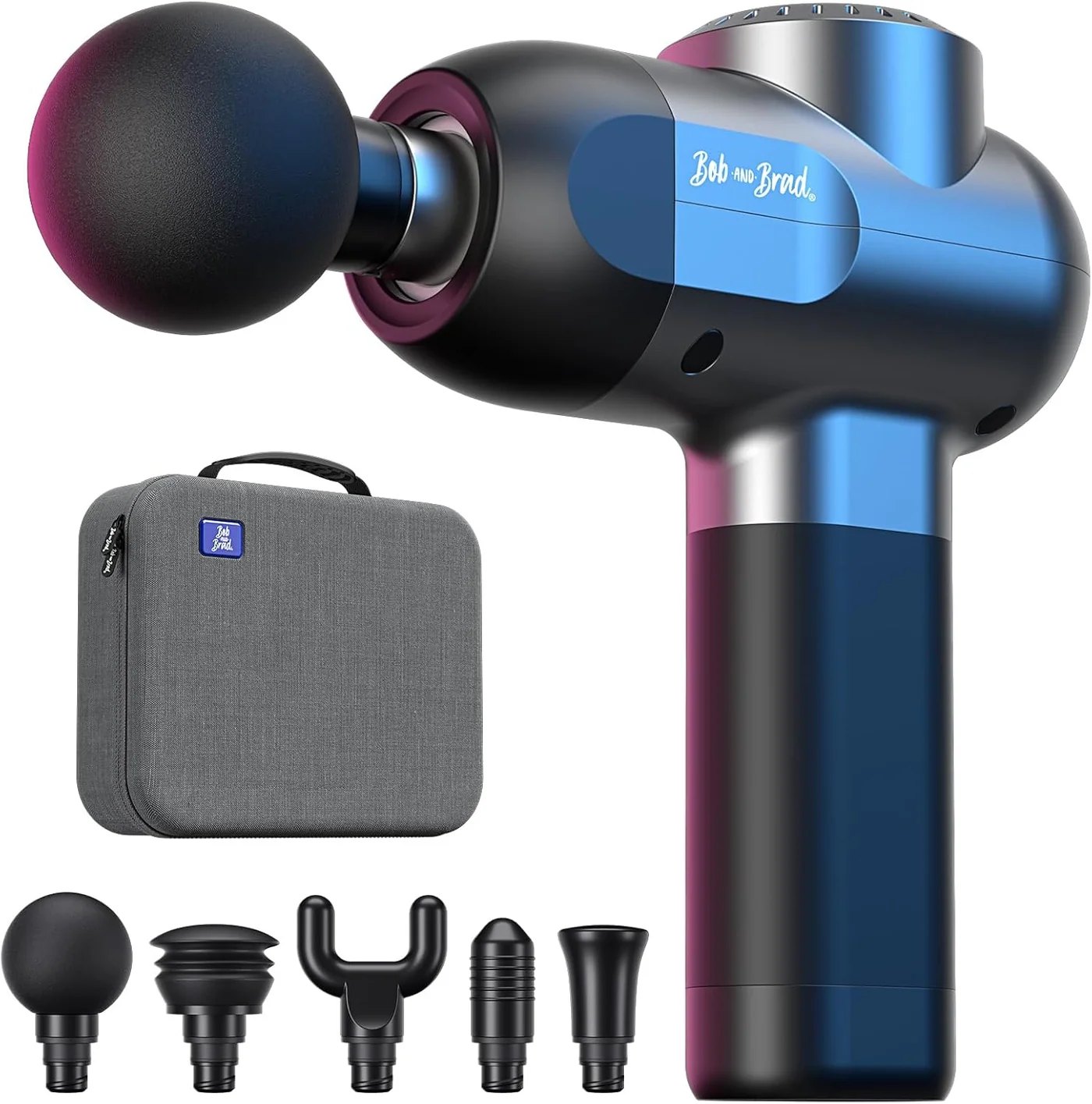
Massage Gun, sold through Bob and Brad in stores and online. A handheld percussive device that delivers rapid pulses to muscles for temporary relief of muscle soreness. Use briefly on fleshy muscle in the evening on a low setting, stop if pain is sharp, and store off the floor before lights out.
Pain Relief Tools, sold in 4,000 Walmart stores and online. A range of simple supports and easy to use home therapy aids picked or invented by the team. Choose one suited to your spot and space, follow the included directions, and keep use short and calm as part of a wind-down.


Courtney Belknap
Courtney produces the interviews at Well with Luna: the research, the question lists, the late follow-up calls. She asks every founder about the worst night that started the company, and then about the dose.
More from Courtney Belknap →