A humidifier is supposed to help you rest, yet so many of them leave mist on the table, dust on the shelf and a weekly cleaning chore that keeps you up in another way. Canopy began in that small contradiction and stayed with it, asking what dry bedroom air does to skin and what a simpler machine could do about it.
Humidifiers live in a strange middle place. They are sold as wellness, and experienced as upkeep. They promise comfort at lights out, then ask for distilled water, cotton swabs and vinegar on a Sunday afternoon. Canopy cofounder Justin Seidenfeld noticed that gap up close, through his business partner’s household in New York, where a humidifier ran all year for skin and then needed a careful scrub each week so it would not turn.
Seidenfeld had spent more than ten years inside Doris Dev, his product development agency working between New York and Hong Kong. Lucas Lappe joined him as cofounder, with a third cofounder leading marketing, and the small team spent about a year on research before launching a bedside humidifier direct to consumer in October 2020. The company, legally Hyku Home Inc. doing business as Canopy, is now based in Austin, Texas, and sold at its own site plus Sephora, Target and Amazon.
What we noticed, reading and listening back, is how unromantic the work was. There was no claim of perfect sleep. There was validation, filters, airflow, dishwasher safe parts. Canopy framed the bedroom as a place for skin and ease, added a shower filter later, and let the nightstand hold something quieter. That plainness feels right for Well with Luna, so we talked about mold, maintenance, scent and the hour before bed.
Your partner at Doris Dev had a household where a humidifier ran year round for skin, then needed q tips and vinegar every week to stay clean. What did that weekly ritual show you about why people give up on humidifiers?
It started very close to home. My partner at the product development firm I had started a few years back, his girlfriend was using a humidifier for her skin, all year, not just winter. And she had this weekly ritual of breaking out the swabs and vinegar to clean it out so it would not turn. That stayed with me because she liked what it did, but she dreaded what it asked for.
We heard the same thing everywhere once we asked. Everyone had a story about how their humidifier would change inside, or leave white dust, or wet the table. People wanted the moisture. They did not want the chore or the worry. So the question we kept asking was simple. Was anyone going to buy this product if we made it easier to live with. We had to do a ton of upfront validation work and really just make sure there was demand there.
You spent about a year in research and development before the October 2020 launch, after more than a decade making consumer products at scale. What did you decide a bedside machine had to refuse, no visible mist, no distilled water rule, no hard scrub?
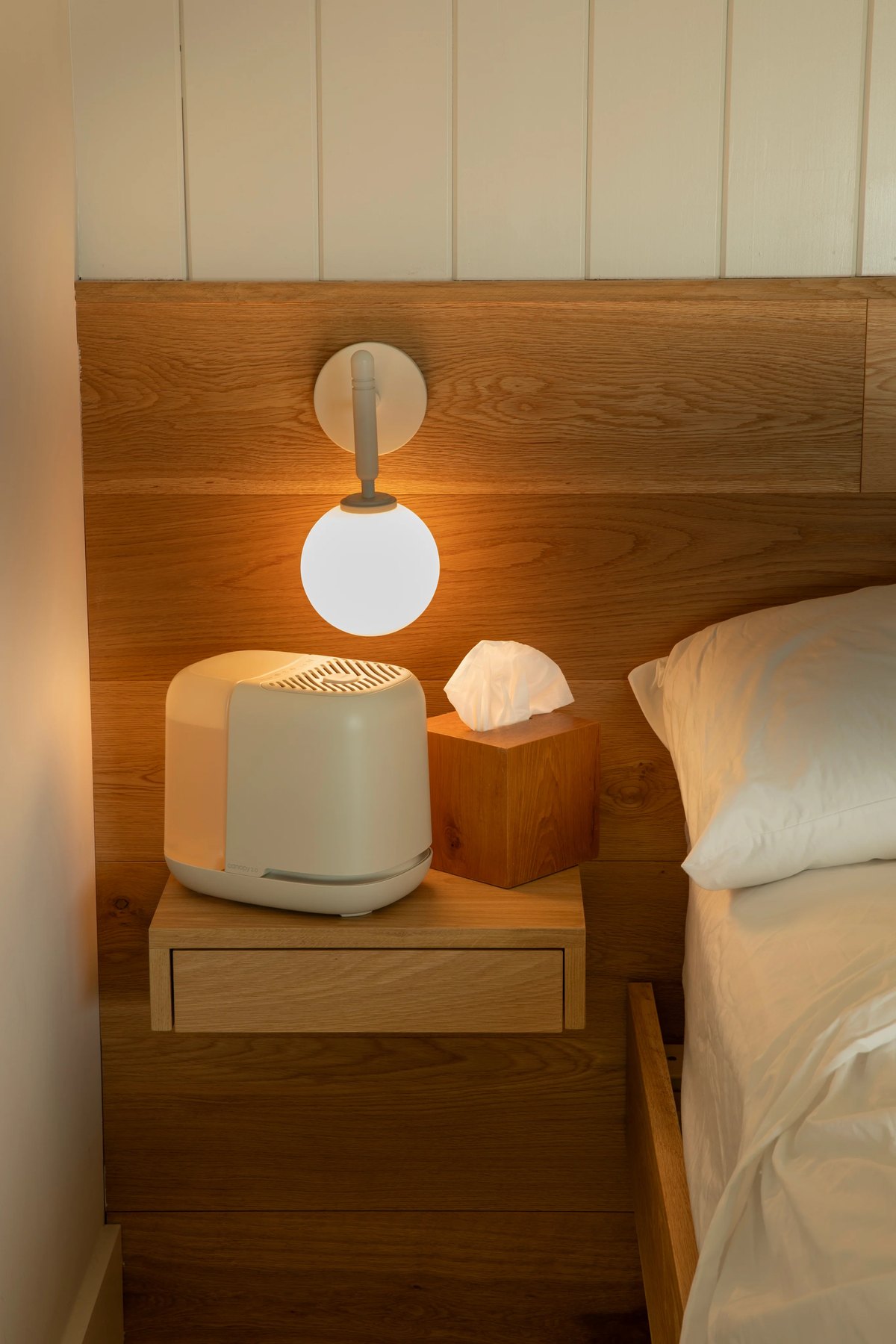
We knew we did not want another version of the same machine. The category had trained people to accept mist that settles, dust that shows up on dark furniture, and a label that says use only distilled water. That is a lot to ask for something that sits three feet from your pillow. So we set a few refusals early. No cloud over the nightstand. Tap water is all you need. Parts that can go in the dishwasher.
The way we got there was evaporation, not mist. Water passes light inside, moves through the filter, then a fan helps it leave as clear moisture. There is a paper wick plus a pre filter layer, and an antimicrobial core inside the device. It sounds technical, but the feeling is simple. The air in the bedroom feels less dry. The table stays dry. Cleaning is mostly emptying, rinsing, and putting the water parts in the machine on wash day. For the hour before bed, that matters. You want less to manage, not more.
You describe Canopy as designed for wellness and made for life, with a mission of healthier homes and happier families. Sephora came in 2022 and stores followed in 2024. Why place a humidifier beside serums rather than beside space heaters?
Because that is how people were already using it. They were not buying it to heat a room. They were running it for skin that felt tight in the morning, for a nose that felt dry, for a nursery that felt too crisp with the heat on. Beauty editors understood that right away. They sleep with the product, they see how their skin looks at first light, they tell a friend.
Sephora let us meet that person where she already shops. First online in 2022, then in more than one hundred stores in August 2024, which meant a home device sitting among skincare. That changed the conversation. Instead of explaining output in gallons, we could talk about the bedroom as part of a routine. Wash your face, fill the tank with tap water, add scent if you like, turn the lamp low. It may help some people wake with skin that looks softer and feels more comfortable. We never promise sleep. We just try to remove one dryness that gets in the way.
The Bedside Humidifier 2.0 is 2.5 liters, 159 dollars, rated up to 36 hours and up to 500 square feet, with a red light and three soundscapes. How do you want someone to use it across a real night, from fill to lights out to morning?
Fill it at the sink in the evening, tap water is fine. Set it on the nightstand with a little space around it, not pushed against the wall. I like to fill early, so it is already running softly while you brush your teeth and turn down the bed. The sensors run the fan when water is present, so you do not have to think much about settings.
If you like scent, put a drop or two of oil on the stone, not in the tank. It is basically like a reed diffuser on steroids, in that it carries scent gently without heat. Choose the red light if any light helps you settle, or turn the light off if you sleep best in full dark. We added three soundscapes for people who like a low hush behind them. In the morning, empty what is left if you will not run it in the day, and leave the cap off so it can air. Swap the filter about every 45 days. That rhythm keeps it fresh without a long Sunday clean.
Your aroma stone is kept separate from the tank, and the portable model notes distilled water is recommended while the bedside uses tap. What should a careful owner know about scent, filters and the parts that go in the dishwasher?
Scent should stay out of the water path. Oils can coat a wick and change how it pulls water, and they can leave a film that is hard to rinse. So we kept a small stone or well beside the airflow. You scent the air around the moisture, not the moisture itself. Two drops is plenty in a small bedroom. If you wake with a headache or find it too strong, use less or skip it for a night.
The bedside filter does two jobs. It wicks water for evaporation and its outer layer traps larger dust before it settles inside. That is why we ask for a change about every six weeks with regular use. The tank and tray and other water parts can go in the dishwasher, which is the part people feel most. No small brushes. No vinegar soak unless your water leaves scale and you want a quick rinse. The portable is a different shape, smaller and closed for travel, so distilled is recommended there to reduce buildup on the road.
Tap water is all you need, and the table should stay dry.
Justin Seidenfeld
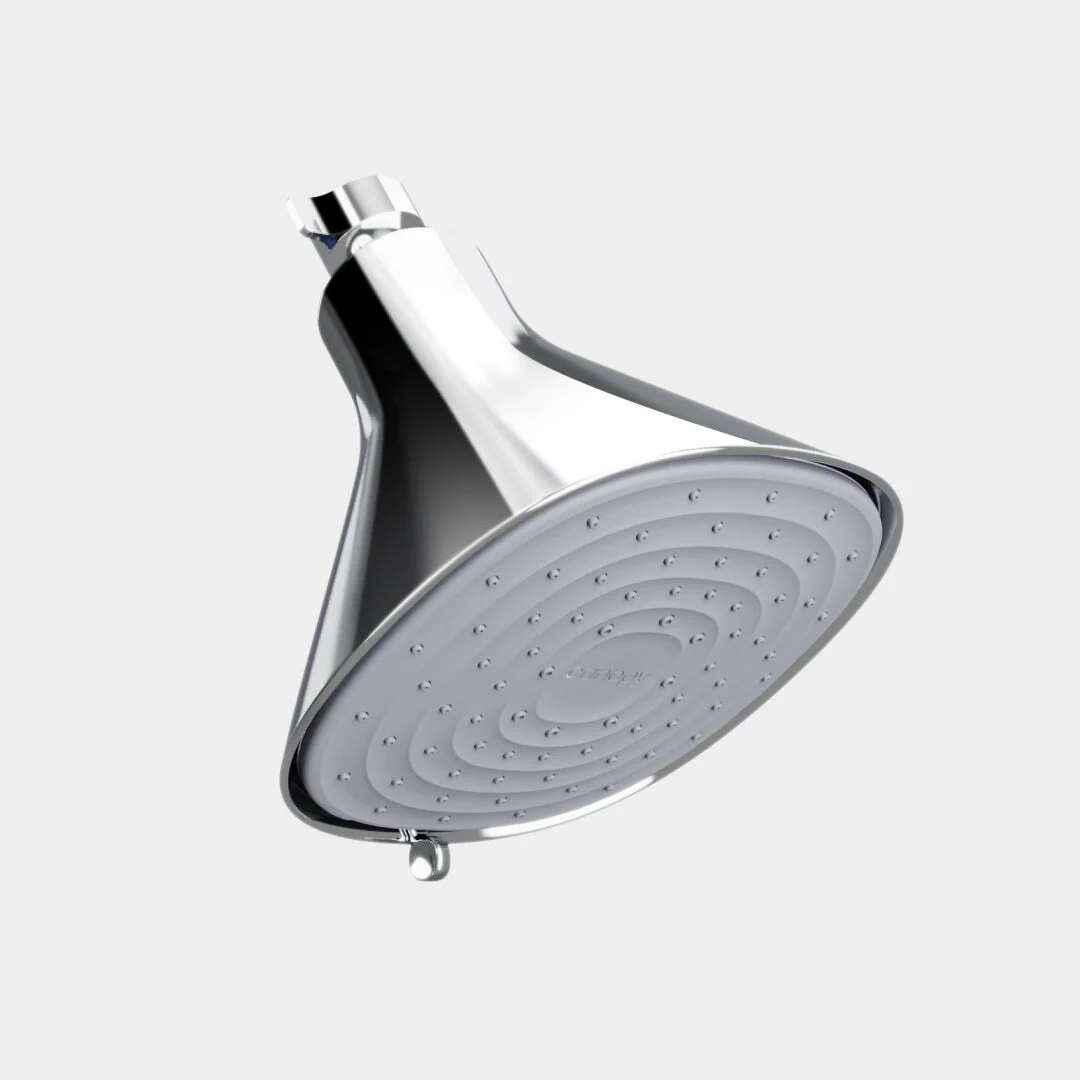
In September 2023 you launched a 150 dollar Filtered Showerhead for Sephora online, with three stage media and a 90 day cartridge. An evening shower is part of many wind down routines. What does that filter reduce, and what should it not promise?
The evening shower matters because it is warm water on skin right before bed. In many cities that water carries chlorine used to keep mains safe, plus minerals that make water hard. Both can leave skin and hair feeling dry or tight. Our head uses carbon plus copper and zinc media plus calcium sulfite, and the housing is tested to ANSI slash NSF 177 for shower filtration. It helps reduce chlorine and some minerals and odors that affect feel.
What it will not do is soften water like a whole home softener, or remove every contaminant. We are careful there. It is not independently tested for all the things people ask about, like mercury or chromium or chloramine beyond the listed media. Think of it as gentler water for a nightly rinse, changed every 90 days. Unscrew the old head, twist ours onto standard half inch threads, choose one of three streams. If you like scent, a felt pad holds about fifteen drops. Keep showers warm rather than hot, pat dry, moisturize while skin is still damp.
You run on a consumable rhythm, humidifier filters about every 45 days and shower cartridges every 90 days, with aroma kits and quarterly collaborations. Some readers hear subscription and feel tired. How do you keep that part honest and light?
I understand that feeling. The nightstand should not create another inbox. We built the refills around how the media actually lasts. Paper wicks load with minerals. Shower media gets used up. If we pretended they lasted forever, the product would slowly do less and people would blame the air or their skin.
So we made it a six week filter plan plus scent kits you can pause, and shower cartridges on a 90 day cycle. You can buy once too. The collaborations, with names like Prose or Laneige or Curie or Lalo, are seasonal scents or small nursery touches, not required reading. I would rather someone set a simple reminder, change the filter while the sheets are in the wash, and forget about us until the next one. Validation for us is not only did you buy it, but did you still use it in February. That is the test.
You have said you prefer distinct lanes for cofounders over too many cooks in the same kitchen, and beauty specialist public relations over heavy performance ads. How does that shape a nightstand brand that now spans humidifiers, showerheads and nursery goods?
You do not want to have too many cooks in the same kitchen. You want to be able to create discrete lanes and people can get into their lanes. That is how we work. Lucas and I and our marketing cofounder each own a lane. Product, operations, story. It keeps decisions small and clear.
It also shaped how we grew. Rather than buy a lot of performance ads, we hired beauty specialist public relations and sent product to editors who sleep with it and write what they see. That is slower, but the feedback is real. Did it fit the nightstand. Was it quiet enough. Did the light bother anyone. Those notes led to the second generation bedside, then a larger room size, then portable, then shower and nursery and bath. Each one had to earn its place in a small home. If it needed too much care, or too much counter space, we passed or reworked it.
Your line now includes nursery humidifiers, a baby bath filter cited in TIME Best Inventions 2025, and an Allure 2024 nod for the portable. For a parent reading on the phone at ten at night, what is the smallest useful setup, and what would you leave out?
Keep it small. One bedside humidifier for the room where you sleep, run low and steady. If the nursery runs dry too, add the nursery version there rather than moving one unit back and forth. Change filters on the same day so you remember. If baths feel drying, the small bath filter that fits over the tub spout can help reduce chlorine for gentler water, with BPA free silicone outside.
Leave out the rest until you need it. You do not need mist you can see. You do not need scent every night. You do not need the brightest light or the longest soundscape. A low hush is enough. A dim red glow is enough, or none at all. Wash the water parts weekly, dry the tray, keep the cord clear of little hands. If a gadget adds worry, it does not belong in the wind down. The goal is a room that feels calm when you enter it, and a morning when skin feels less tight and the day starts a little clearer.
Closing note from the desk
What stays with us after this conversation is the focus on upkeep. Seidenfeld did not talk about perfect nights. He talked about swabs, tanks, trays and reminders set while sheets wash. That is unglamorous and useful, the kind of detail a tired owner remembers at ten at night.
Canopy set out to make home water easier to live with. Moisture without mist on the table. Tap water without a special run to the store. Scent kept beside the airflow, not inside it. For readers who want a calmer bedroom and a gentler shower, that plain care may help the evening feel softer and the morning feel clearer.
Product spotlight
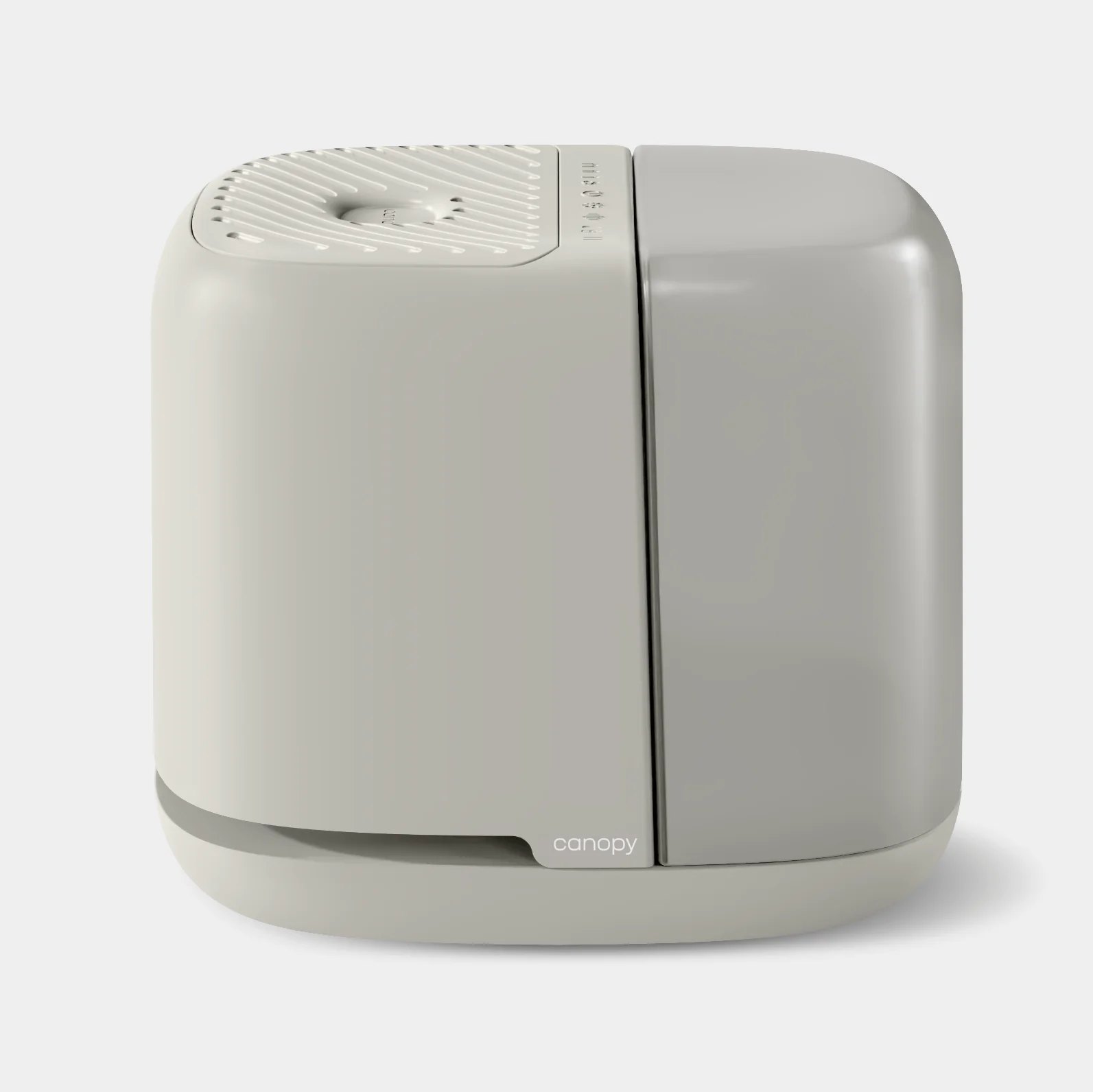
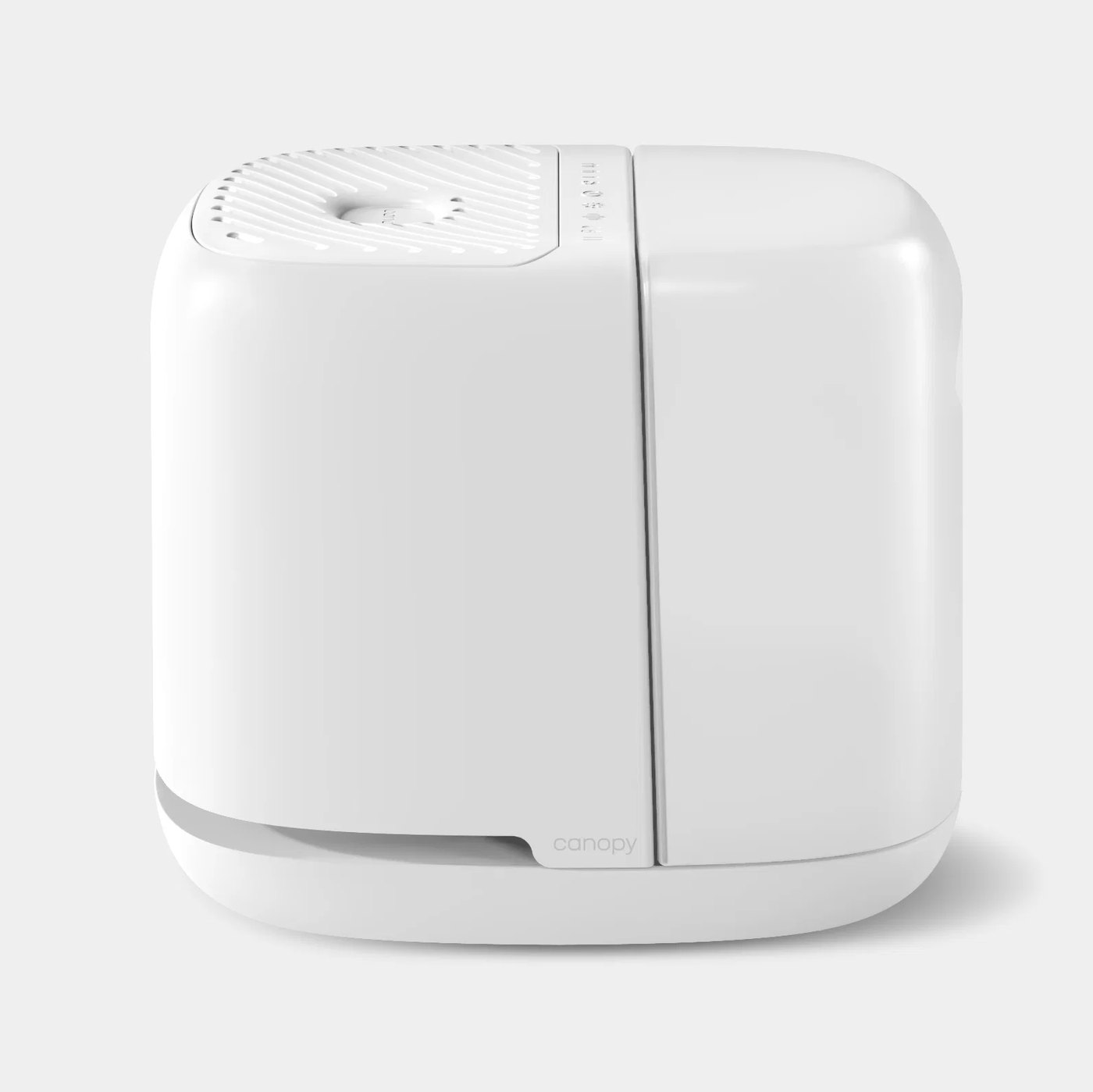
Bedside Humidifier 2.0, 159 dollars, 2.5 liters. A no mist evaporative humidifier for the nightstand, for rooms up to 500 square feet and run times up to 36 hours. Fill with tap water in the evening, add oil only to the stone, choose red light or dark and a low soundscape if you like one.
Filtered Showerhead, 150 dollars, standard half inch fit with three streams. A three stage shower filter that helps reduce chlorine and minerals that can leave skin and hair feeling dry. Twist on without tools, replace the cartridge about every 90 days, keep showers warm and moisturize after while skin is damp.

Courtney Belknap
Courtney produces the interviews at Well with Luna: the research, the question lists, the late follow-up calls. She asks every founder about the worst night that started the company, and then about the dose.
More from Courtney Belknap →