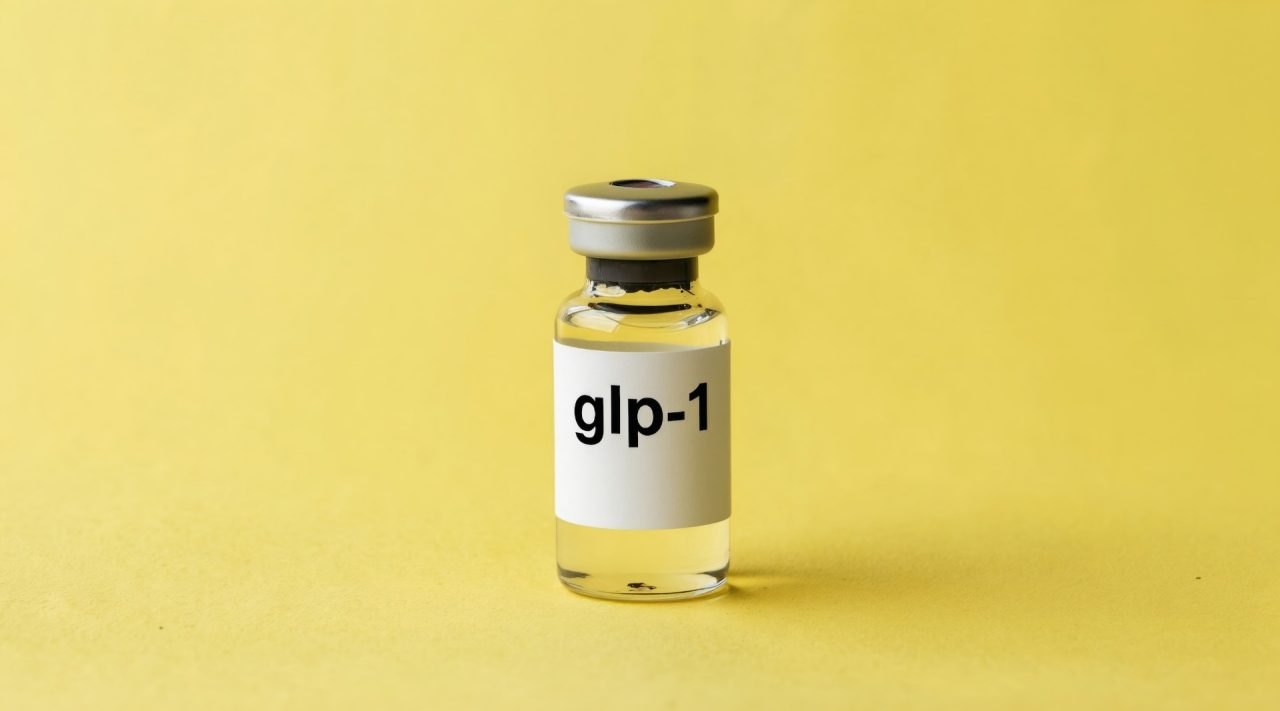
- Warning letters now question compounded hormone claims now that shortages have eased and patents remain in place
- Federal action names telehealth weight-loss marketing, with a $150,000 NextMed order tied to refunds
- Nightstand checks that matter include approval status, salt forms, added vitamins and measured dosing
Patents protect generic semaglutide until at least 2032, while tirzepatide patents extend until 2036, and the FDA had permitted compounding of GLP-1 medicines during severe shortages that started in 2022. Those shortages are now over, and Stanford Medicine reports the FDA has started sending warning letters to some compounding pharmacies about unsupported claims for compounded versions. The FTC lists an action titled TruHeight, In the Matter of, dated July 15, 2026, among health claims cases.
GLP-1 means glucagon-like peptide-1, a gut hormone involved in blood sugar control and appetite signals. Quietly in the background, GLP-1 receptor agonists copy its action. Semaglutide brands include Ozempic, Wegovy and Rybelsus, while tirzepatide brands include Mounjaro and Zepbound.
Compounded versions lack the FDA approval held by brand-name medicines. At the high point in 2024, nearly 1 in 3 Americans using a GLP-1 drug reported obtaining it through a compounding pharmacy. List prices for patented GLP-1s can exceed $1,000 per month, and clinicians say the cost and access pressures pushing people toward compounded versions are genuine.
The recipes often vary in small but important ways. Some compounders use salt forms such as semaglutide sodium, which have not been shown safe and effective in humans or approved by FDA. Many mix in vitamin B12 and other additions such as B6, niacinamide, glycine or carnitine that have no proven benefit for weight loss or diabetes management. A 2026 study found that tirzepatide combined with B12 can chemically join, creating a new molecule absent from the FDA-approved drug, a result replicated by Eli Lilly.
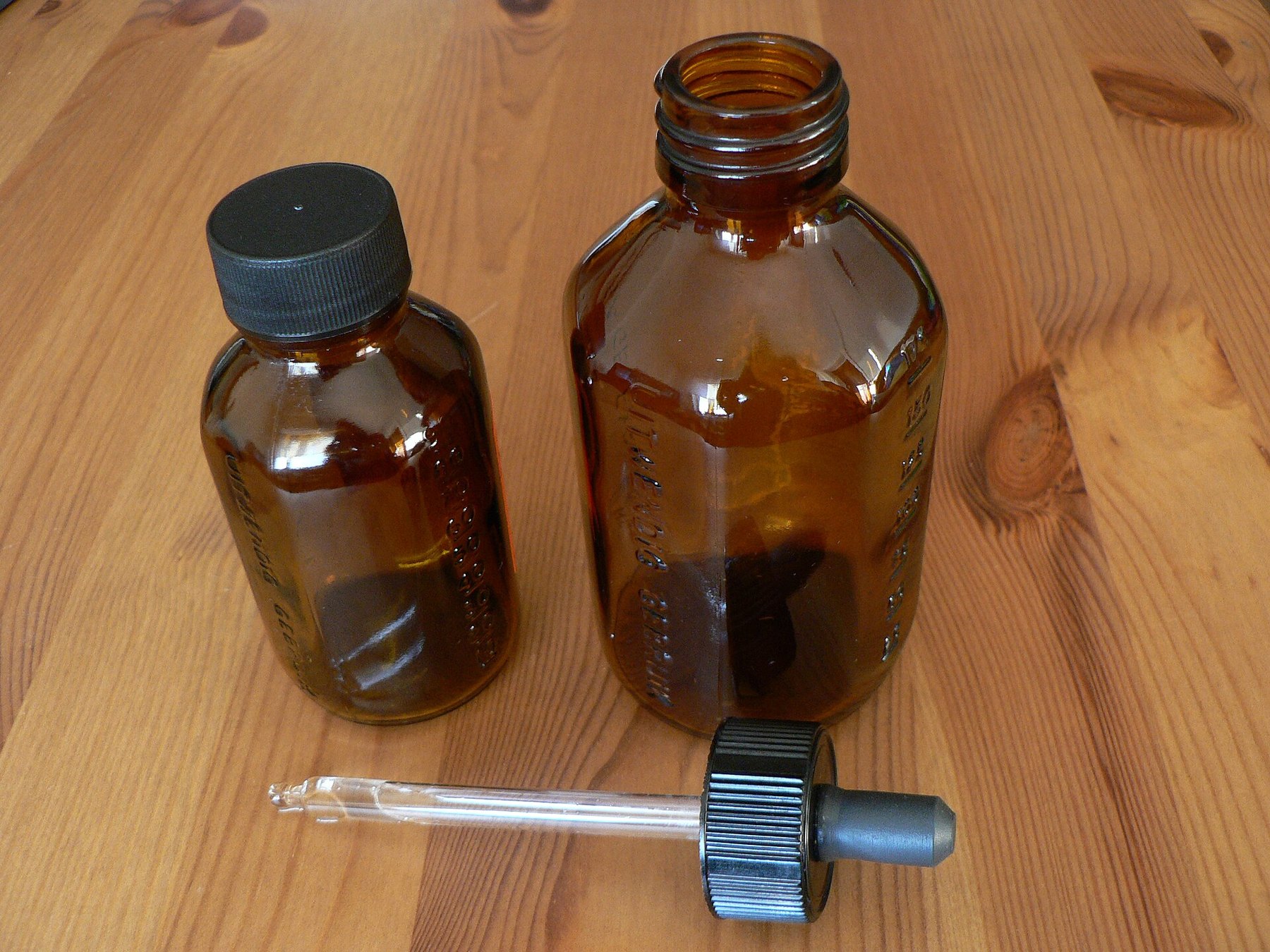
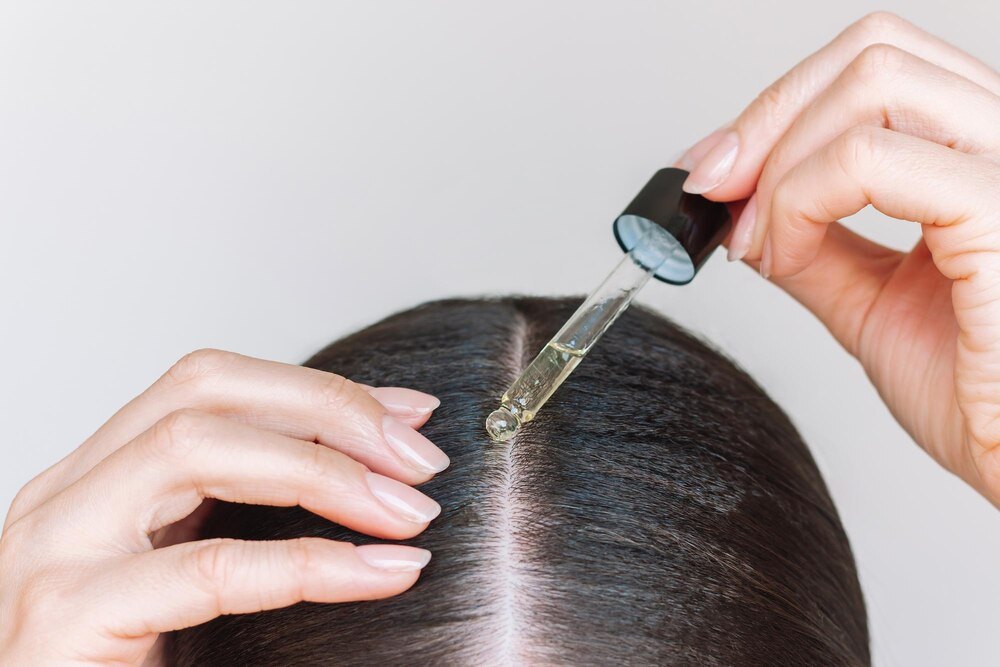
Dosing adds further risk. The FDA has flagged cases in which patients using multidose vials took 10 to 20 times the prescribed amount by error. Some compounding pharmacies offer sublingual drops or dissolving tablets of semaglutide or tirzepatide that were never studied in clinical trials. Poison control centers across the U.S. have recorded a more than 15-fold increase in calls tied to injected weight-loss drugs since 2019.
In the quiet of the evening, the FTC gave final approval to an order against telehealth provider NextMed and principals Robert Epstein and Frank Leonardo over GLP 1 weight loss programs. In its July 2025 complaint the FTC alleged NextMed sold weight loss programs with hidden costs, unproven weight loss claims, false testimonials and softened reviews. The final order requires payment of $150,000, expected to be used for consumer refunds, and requires steady and trusted evidence to support claims about average or typical results.
Marina Basina, MD, clinical professor in endocrinology, gerontology and metabolism, said in a soft evening note that using compounded drugs while on GLP 1s without medical supervision holds real risk and can lead to serious consequences

Annika Holm
Annika looks after the brands Well with Luna works with and makes sure every sponsored page says so. She grew up in Uppsala with very short winter days, which is where her interest in light and sleep began.
More from Annika Holm →