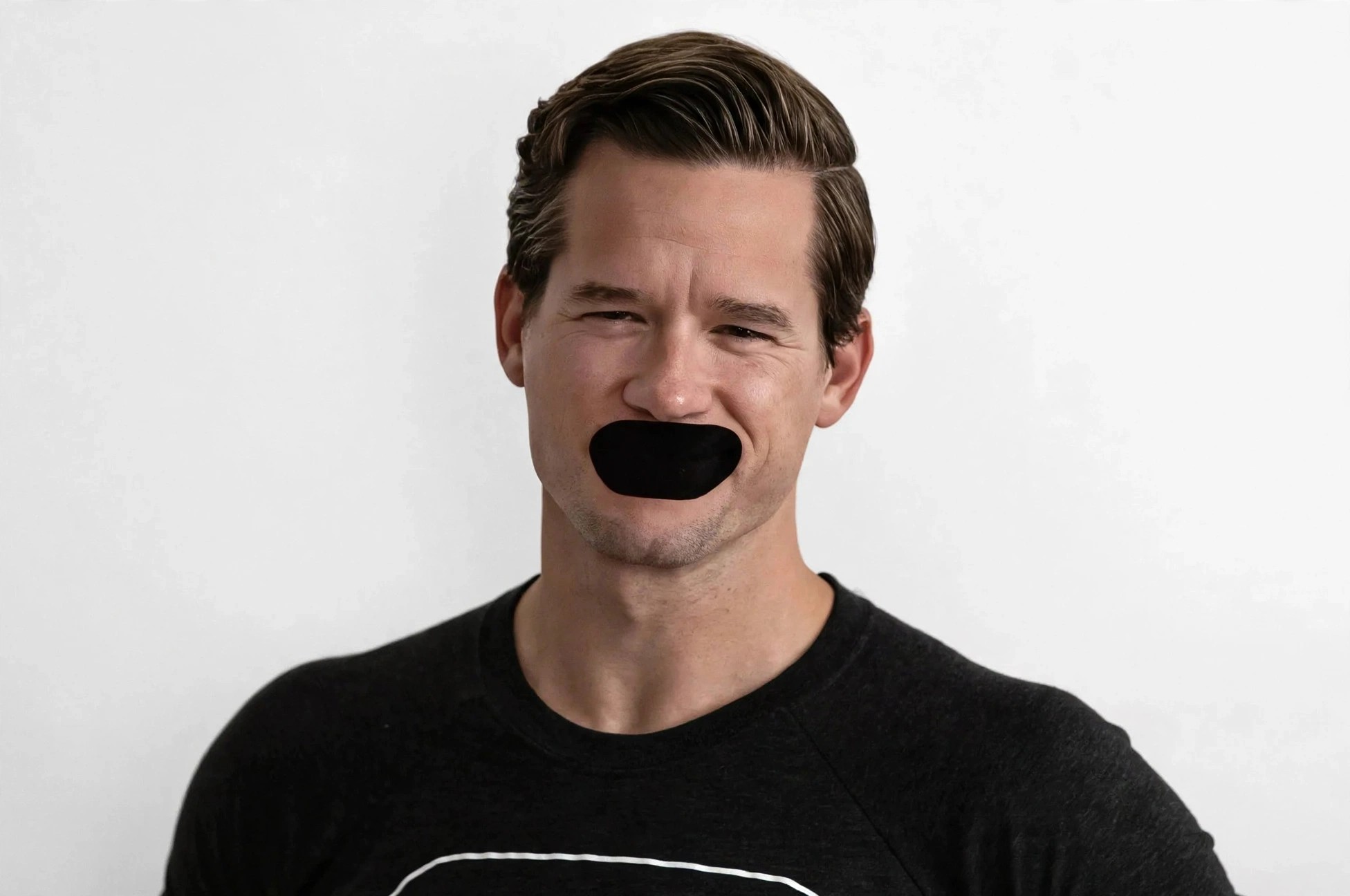
A back that aches at nine at night changes the shape of sleep. For Tate Stock, relief started with pipe and yoga mats and became a small wheel you lie on before bed. This is a conversation about pain carried home from the day, and what a few slow rolls can do for it.
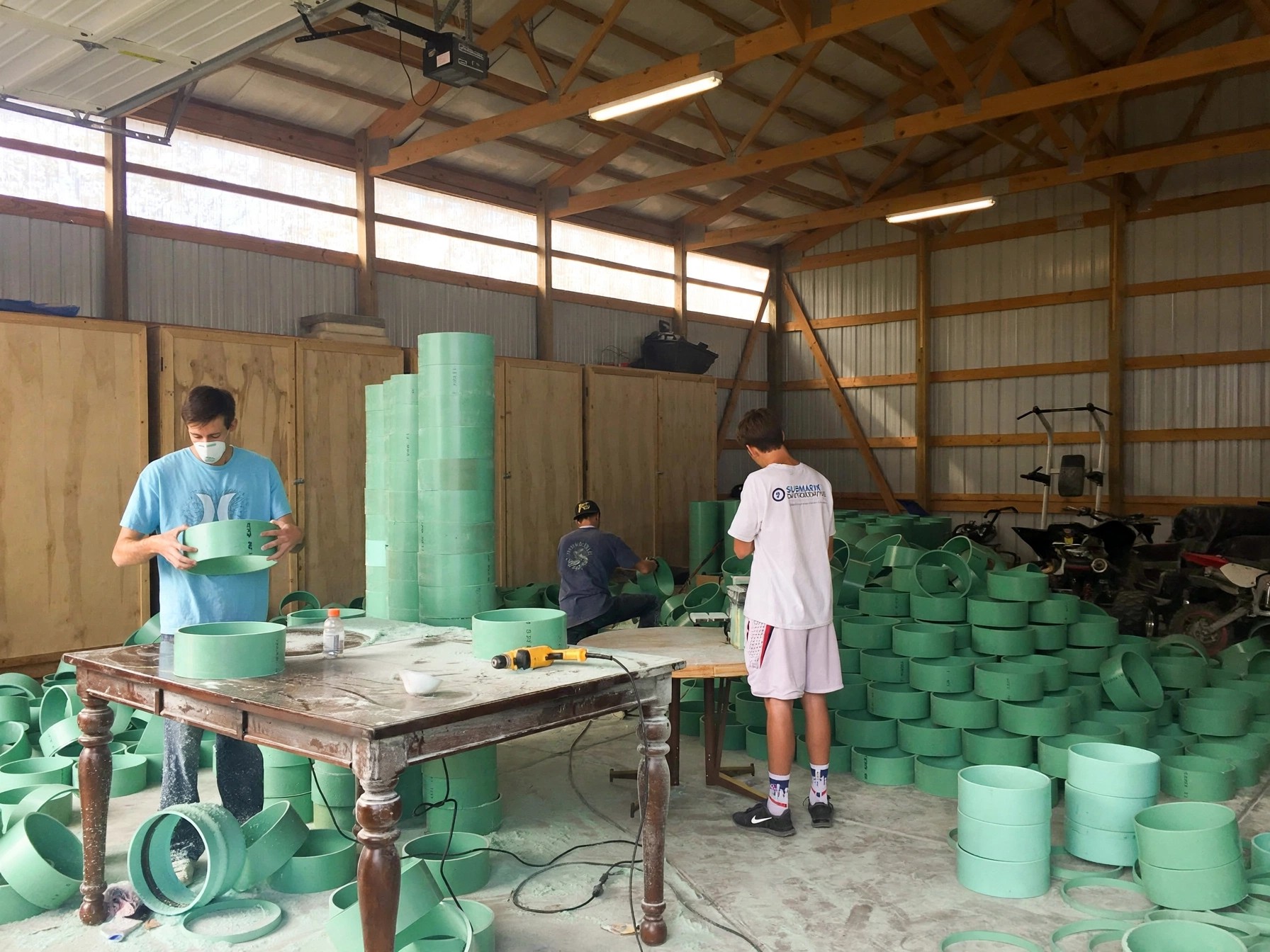
The table saw was in his buddy’s mom’s barn. That is where Tate Stock spent his first weeks as a founder, cutting lengths of sewer pipe he had bought for 400 dollars, wrapping them in 50 dollars worth of yoga mats, gluing padding by hand. He was a full time college student, a month from his wedding, and he had never done yoga in his life.
He had seen a yoga wheel at his aunt’s house while doing laundry. Typing yoga w into Amazon completed to yoga wheel, and nothing was for sale. He made about 100 wheels, listed them without branding, and made 12,000 dollars in the first two weeks. Then Amazon removed him because he could not ship fast enough.
What followed is now a familiar Utah story. Years selling to yogis, then husbands borrowing wheels to crack backs, then a pivot from yoga to pain relief. After that pivot Chirp did 4 million dollars in six months, passed one million wheels by the Shark Tank taping, and later passed 250 million dollars in lifetime sales. The brand stayed founder led, with no outside investors, and kept its promise plain. Simple tools for back, neck, foot and muscle pain, meant to be used every day so people can feel good and do more.
What others miss is how well the wheels fit the hour before bed. They ask for floor space, a lamp left on, five unhurried minutes. You lie back, breathe, roll. For readers who work long days at a screen and carry tension into the night, that matters. Better nights, clearer days, as we say. Stock is plain, practical and scrappy in the way he talks, and he returns often to patience, modest living and listening to customers.
You saw a yoga wheel at your aunt’s house while doing laundry in August 2015, then bought 400 dollars of sewer pipe and 50 dollars of yoga mats and cut about 100 wheels on a table saw in your buddy’s mom’s barn. What did those first rough wheels teach you about getting relief right?
In 2015, Chirp was founded with a simple mission. Help people feel good so they can do more. I did not start with that sentence polished. I started with pipe and glue. I had never done yoga, so I was not precious about what a yoga wheel should be. I just wanted something round and firm that would hold a back.
Doing things the hard way often forces you to understand your product and your customers better than anyone else. Cutting pipe taught me that. When you make 100 wheels by hand, you feel every edge. You learn where padding slips, where glue fails, where size changes pressure. You carry boxes yourself, so you know what shipping really costs. That stays with you when you later work with a factory.
I would advise to launch with imperfect products. We did not need a logo because in two weeks, if it did not sell, I would not even need a logo, right. That sounds blunt, but it gave us room. We could listen first and perfect later. The barn wheels were rough, but they rolled, and people felt something shift in their backs. That was enough to begin.
You listed those unbranded wheels on Amazon and made 12,000 dollars in two weeks, then were kicked off because you could not ship fast enough, which forced you to build your own site after a first year of 150,000 dollars in sales. What did that early rush and removal clarify?
It clarified that demand was real and that we had to grow up fast. Amazon told us people were searching for yoga wheel and no one was selling them well. Selling out felt good for about a day. Then we learned we could not pick, pack and ship that fast from a student apartment. Being removed stung, but it pushed us to build gochirp.com and own the relationship with customers.
We pretty much lived off love and potatoes in those years. We budgeted 22,000 dollars a year, most of which went to rent. I lived off summer pest control savings and did not take a salary for three years. Hannah and I kept life small so the business could keep moving. That modesty was a choice. I love that Chirp is founder led, and we have no investors. No one to answer to except the people using the wheels.
Your customers are your best mentors. Talk to them, listen to them, and they will show you where to go next. Our site gave us messages every night. That inbox became our research lab.
You sold to yogis for years until husbands started borrowing wheels to crack backs, then you pivoted messaging from yoga to pain relief and did 4 million dollars in six months. How did you know that borrowed use was the real story?
People told us plainly. Wives wrote that they bought a wheel for stretching and their husbands stole it to crack backs. At first we laughed. Then the notes kept coming. Most of us just end up living with the pain, hoping it will go away on its own. That line on our story page came from listening. People carry back pain home. They sit all day, drive home, sit again, then lie awake feeling it.
So we changed our words. Not yoga wheel. Back pain relief. Same simple tool, clearer promise. Professional grade tools you would use every day to feel good and do more. That pivot carried us. It also set our evening use. Rolling for a few minutes after dinner can soften the day before sleep. It may help some people unwind enough to rest more easily, though we never promise sleep. We promise a simple routine that feels good and fits a real night, phone on the nightstand, lamp still on.
Your story page keeps the mission short, help people feel good so they can do more, and your customer is someone living with back, neck, foot and muscle pain who wants simple drug free relief at home. Why keep the promise that spare?
Because pain makes life narrow. When your back hurts, you skip the walk, you cut the evening short, you guard your sleep position. We wanted tools that widen the day again without a complicated routine. Simple and effective. Something you will actually use.
Staying spare also keeps us honest. A wheel presses, stretches and massages. It does not fix a spine. It may help some people feel looser for a while, which can make the hour before bed more comfortable. That is enough. We would rather say less and be used daily than say much and sit in a closet.
Being founder led helps. About one third of our team works in research and development, and at the time of Shark Tank over 60 percent were women. We test treads, padding firmness and sizes in small loops. The promise stays short while the details get better. Relief is here, as we say, but relief still asks for slow breathing, a mat or rug, and patience with yourself.
On October 30, 2020 you went on Shark Tank after selling over one million wheels, were offered 900,000 dollars for 2.5 percent by Lori Greiner, and walked away without a deal while staying founder led with no investors. What did that night settle for you?
It settled that independence is part of the product. The offer valued us very high, and we were grateful. But bringing on capital would have changed the pace and the choices. We wanted to reinvest profits, keep prices reachable, and keep control of quality.
Be patient with yourself. Whether the business works out or not, be patient, keep working hard. That is what I tell young founders now. Shark Tank is bright lights and fast talk. Real work is slower. After the show we grew 400 percent in a year, which broke parts of the business. We failed to charge sales tax correctly across states and ended up paying about 6 million dollars from profits under voluntary disclosure. That hurt. It also taught us to build finance and operations with the same care we gave the wheel. Staying founder led does not mean staying small in discipline. It means owning mistakes and fixing them.
Be patient with yourself. Whether the business works out or not, be patient, keep working hard.
Tate Stock
That 400 percent growth year also brought the 6 million dollar sales tax payment from profits, and you have said you wish you had found a manufacturing partner sooner. How do you think about the hard way now?
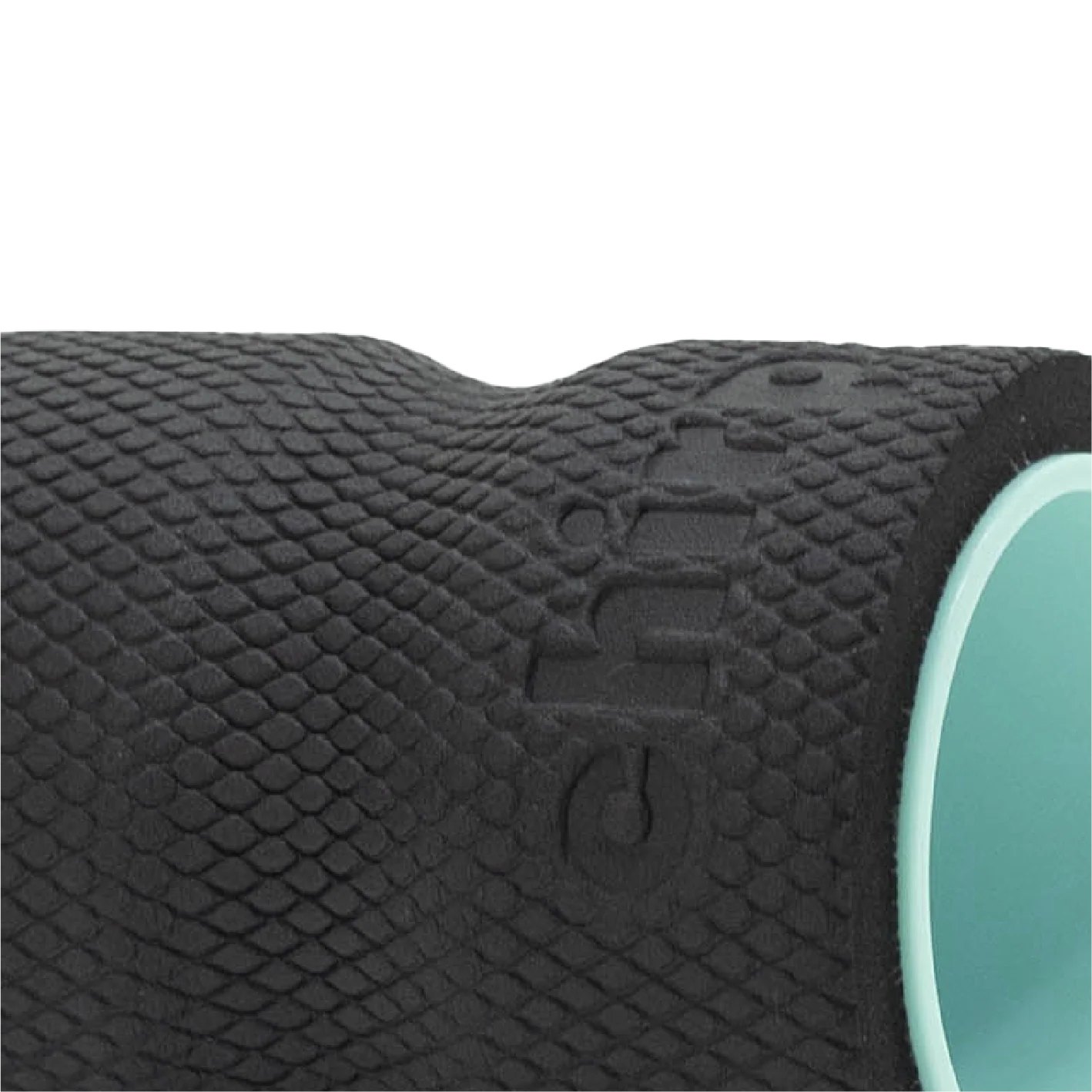
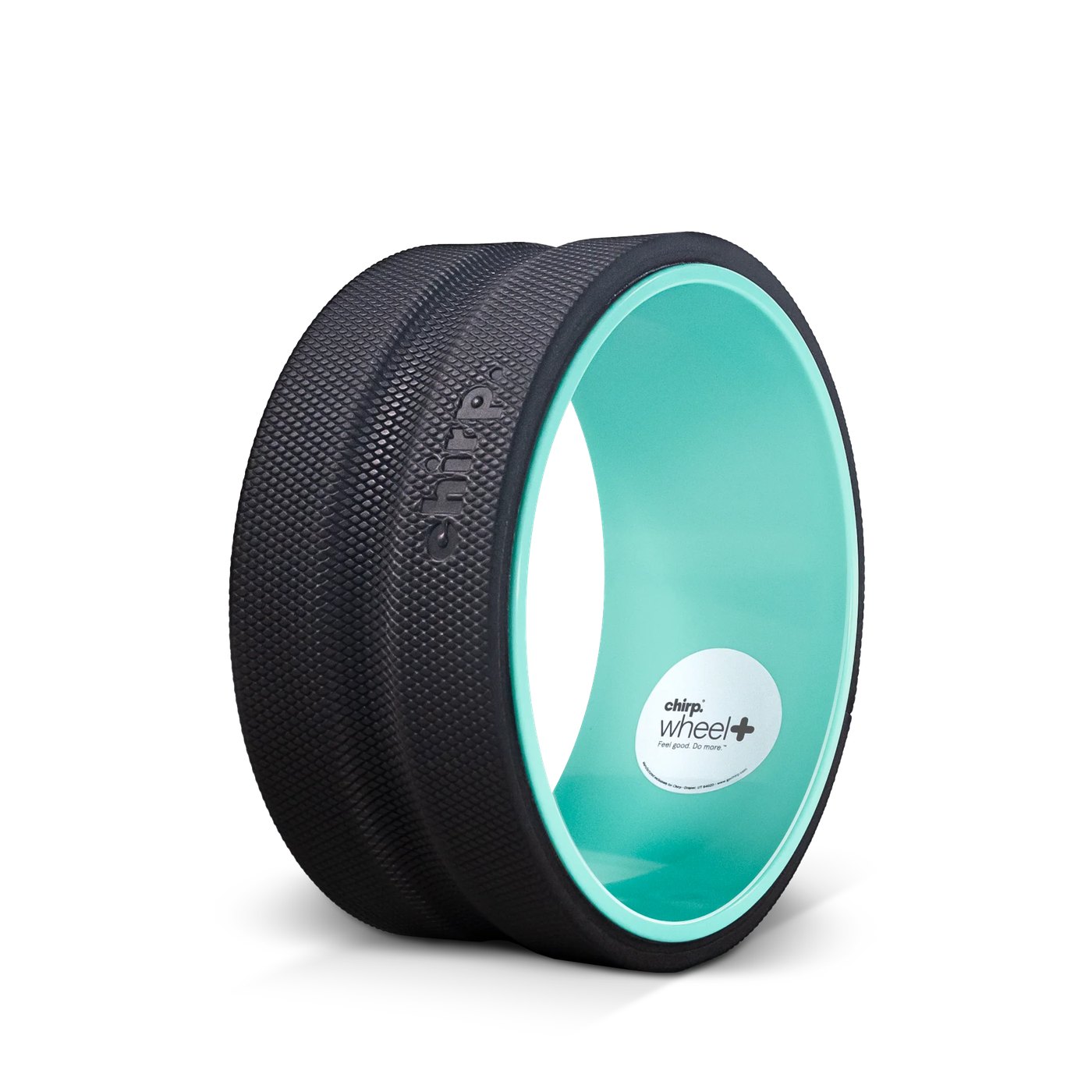
I still value the hard way, but I do not romanticize it. Early on, hand making wheels taught us pressure, size and padding better than any survey. Later, trying to do too much ourselves slowed us. I wish we had found a manufacturing partner sooner. A good partner brings consistency. Our current wheels use Compression Sensitive Padding and the Spinal Canal channel, and our newer Relief Wheel Pro uses QuickTread interchangeable treads. You cannot glue that in a barn.
The lesson for nights at home is similar. Start simple, then refine. A basic roll on the 10 inch wheel for a deep comfortable stretch can be enough. If you want more control, switch treads or sizes rather than pushing harder. The hard way taught us where firmness helps and where it harms. Now the factory holds those tolerances so a tired person at ten at night does not have to think. Lie down, place the wheel in the middle of the back, roll slowly, breathe out.
The 10 inch Deep Stretch at 39.99 dollars became the original back pain wheel that drove the first million sales, while the 4 inch Focus at 29.99 dollars speaks to neck, shoulders and tension headaches from long screen days. How should someone choose between them for an evening routine?
Think about where the day sits in your body. The 10 inch gives a broad, deep stretch across the mid back. You place it under your back and roll. It spreads pressure, opens the chest after hunching, and lets you take that long exhale before bed. Many people start here for two or three slow passes.
The 4 inch Focus is smaller and more precise. It is designed to help reduce tension headaches, target key pressure points in the neck and shoulders, and reverse tech neck through traction, as we describe it. You use it higher up, gently, with the head supported. Less rolling, more resting into it. If your nights end with a tight neck from a laptop, start small and short. If your whole back feels compressed, start wide and slow. Either way, keep lights low, keep breath slow, and stop while it still feels good. Relief should not become another task.
You moved from barn made pipe to factory made wheels, and in 2026 introduced the Relief Wheel Pro with QuickTread interchangeable treads in 10, 6 and 4 inch. What did factory precision allow that hand work could not?
Repeatability. In the barn, every wheel was a little different. Thickness varied, glue lines showed, padding compressed unevenly. That is charming, but not calming when your back hurts. Factory work let us hold shape, tune padding response, and keep the channel centered. So pressure feels even from one roll to the next.
QuickTread grew from that control. With the patent pending system you can switch outer treads in seconds for a softer stretch or a deeper massage. The 10 inch core stays broad, the 6 inch Deep Tissue adds that hurts so good pressure around trigger points, the 4 inch stays focused on neck and headache tension. One core, more options. For a small home it means fewer tools by the bed. For us it means we can keep iterating tread textures without remaking the whole wheel. Hand work taught us what to make. Precision lets us make it the same way every time.
You keep the company at 3900 Traverse Mountain Blvd. in Utah, ship free on orders over 75 dollars in the continental US, and note that HSA and FSA pre tax dollars can be used. Why do those practical details matter for someone in pain?
Because pain is already expensive and tiring. If a tool costs less than a single clinic visit and arrives without a fee puzzle, you are more likely to try it and keep using it. Free shipping over 75 dollars lets people pair sizes sensibly. HSA and FSA eligibility lets some households use pre tax dollars, which lowers the barrier a little more. Those are small kindnesses, but they add up at dusk when willpower is low.
Staying in Utah matters too. We work where we live. The team that answers messages is near the team that tests wheels. That loop keeps language plain and instructions clear. Lay on the wheel placed in the middle of the back and roll to stretch the spine. Roll on the 6 inch to target trigger points around the back. No mystique. If it fits your nightstand routine and your budget, keep it. If not, send it back and tell us why. Your customers are your best mentors, and practical details are part of listening.
You often repeat launch with imperfect products, lived off love and potatoes, and feel good so they can do more. For a reader on the sofa after dinner, sore and scrolling between nine and eleven, what is a kind first step tonight?
Start small and be patient with yourself. Unroll a rug, dim the lamp, put the phone face down. Place the 10 inch wheel in the middle of your back and roll slowly for a minute. Breathe in through the nose, out through the mouth. If the neck is tight, finish with the 4 inch Focus for less than a minute, head resting, shoulders heavy.
Talk to us after. Tell us where it helped and where it did not. We built this by listening, and we still build that way. Most of us just end up living with the pain, hoping it will go away on its own. You do not have to do that. A few slow rolls will not fix everything, and it may help some people feel looser and calmer before lights out. That calm can carry into first light. Feel good, even a little, so you can do more tomorrow. That was the mission in 2015, and it is still the mission now.
Closing note from the desk
What stays with us after this conversation is the barn. Not as myth, but as method. Cutting pipe by hand gave Stock a feel for pressure that no brief can teach, and living lean gave him room to listen longer than a funded company might.
Chirp set out to make simple, effective tools for everyday pain, tools that earn a place by the bed because they are used, not because they promise rest. In an evening magazine about sleep, calm and focus, that modesty feels right. A wheel, a rug, a lamp left on. A slower exhale before lights out.
Product spotlight
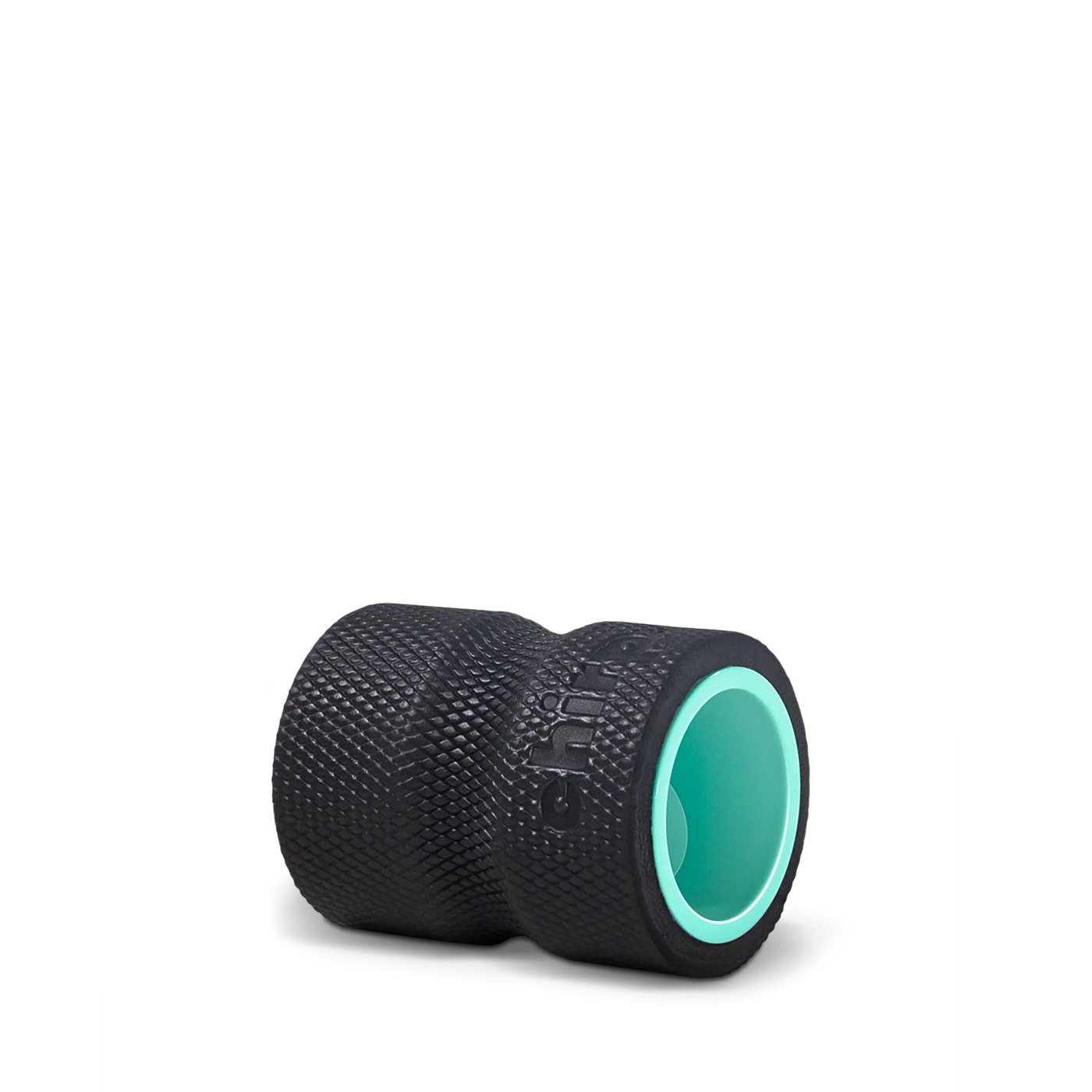
Chirp Wheel+ 10 Deep Stretch, 39.99 dollars. A 10 inch wheel with Compression Sensitive Padding and a centered Spinal Canal for a broad, comfortable back stretch. Place it under the mid back on a rug and roll slowly for one to three minutes in the evening to ease stiffness from sitting.
Chirp Wheel+ 4 Focus, 29.99 dollars. A 4 inch wheel made for neck, shoulders and tension headache pressure points. Rest into it gently with head supported rather than rolling hard. Keep use brief at first, breathe slowly, and stop if discomfort rises.

Courtney Belknap
Courtney produces the interviews at Well with Luna: the research, the question lists, the late follow-up calls. She asks every founder about the worst night that started the company, and then about the dose.
More from Courtney Belknap →