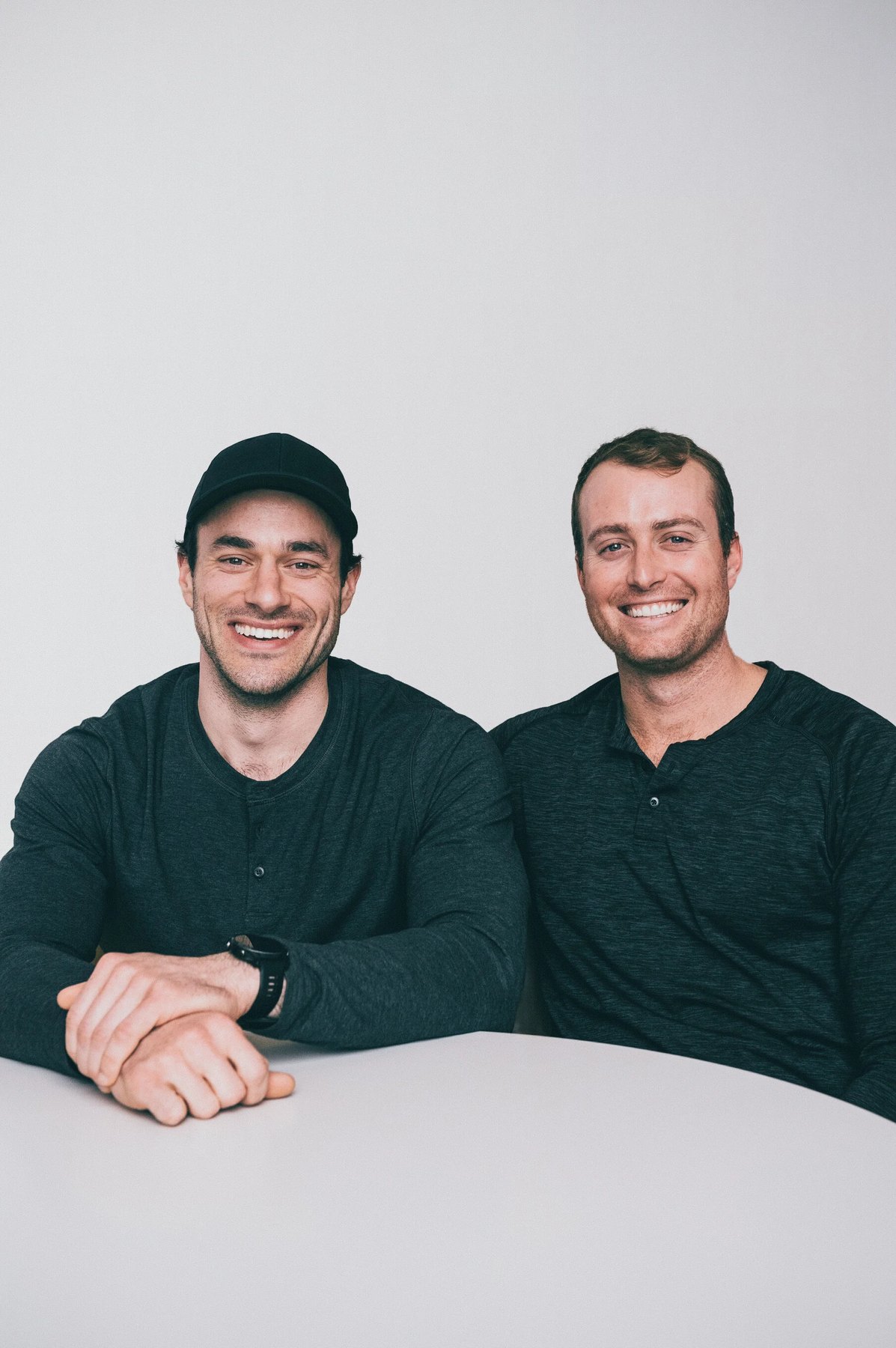
The jar on the nightstand holds a cinnamon cocoa powder, and the label lists five nighttime ingredients meant to support a steadier wind down.
Beam counts more than 18 million nights tied to that evening cocoa, and the count invites a closer look at habit as much as formula.
Matt Lombardi and Kevin Moran first met at Boston College, Lombardi on the ice and Moran on the diamond. Lombardi later spent time inside the New Jersey Devils and Pittsburgh Penguins systems until a concussion closed that chapter, and Moran was selected by the Chicago White Sox before injuries and operations ended his playing years. After sport they found each other again while preparing for the Boston Marathon and an IRONMAN, and they tried CBD for lingering pain, old injuries and anxious evenings.
The shelves they shopped left them uneasy. Oils carried small amounts of THC and quiet additives, with little said about source or screening. They founded Beam in Massachusetts as a response, beginning with a tincture and a topical lotion offered from a folding table on Boston sidewalks, inside CrossFit boxes and at juice counters. Organically grown hemp from Colorado, THC free positioning, and an early hire with cannabis experience form the starting picture in the brief.
The present range reaches wider. Sleep, gut health, hormones and daily performance sit at the center, with Dream as the leading seller and Biotic as the daily gut anchor. Notable is the care with which the founders stepped back from the CBD tag, describing Beam as a health and wellness company, while the later work turned toward powders, flavors, batches and returning buyers rather than novelty.
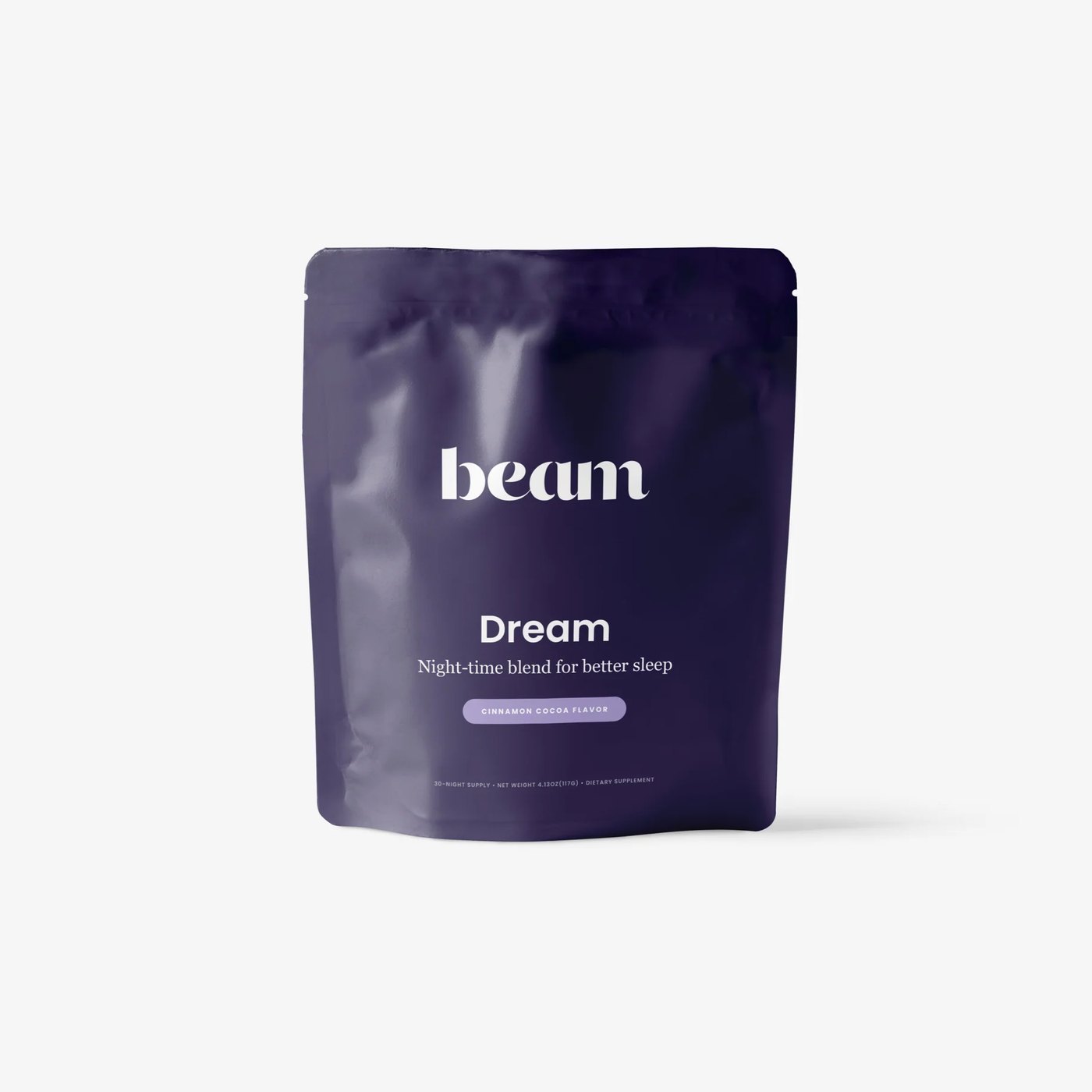
Dream now settles into the night as Original Cinnamon Cocoa in 20 servings for 49.99 dollars and 30 servings for 64.99 dollars, plus Pumpkin Spice and Brownie Batter, and described as made with 5 powerful sleep ingredients. Walk us softly from field to jar for that bedtime cocoa, and say where the paper trail feels strongest and where it is still thin.
Matt: Begin with cocoa itself. Pods develop on farms, beans pass through fermentation, drying and roasting, then grinding and pressing. That base comes to us with papers on origin and a specification covering moisture and microbiology. The five sleep supporting ingredients travel separately, each paired with its own certificate of analysis and identity check. Blending joins them in a validated mixer, and we confirm uniformity before powder moves to the jar line.
Most complete is the finished lot record. Potency for central markers, microbiology, heavy metals and agreement with the label are filed by batch, and the lot code printed on the jar leads back to those pages. We can state what sits inside and point to the testing behind the Supplement Facts panel. Least complete is full farm mapping for each minor flavor part across seasons. Cocoa lots vary with harvest, and flavor partners blend to keep taste even. We hold specifications and test results, yet we do not publish each grower name for each minor part. That disclosure is the next stage.
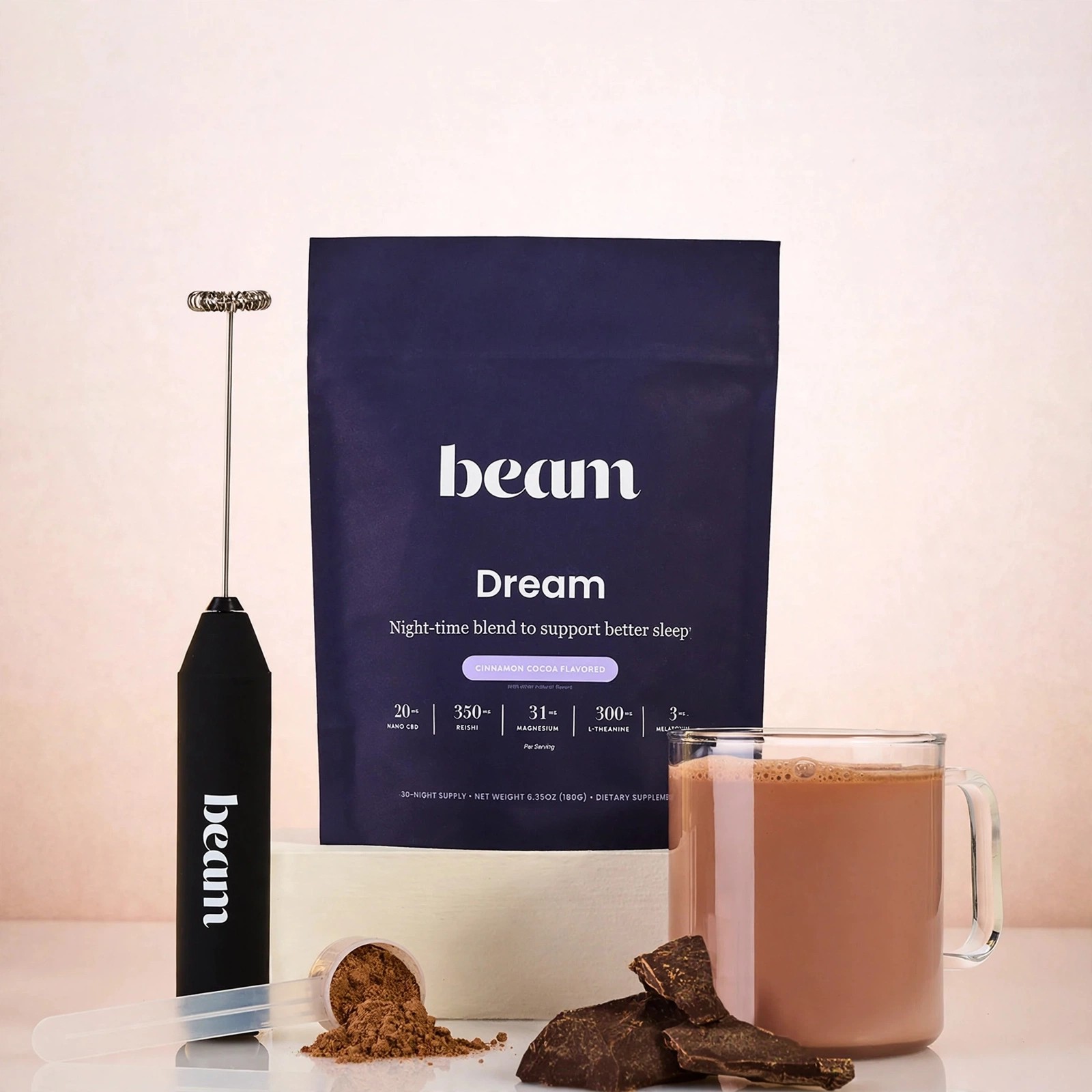
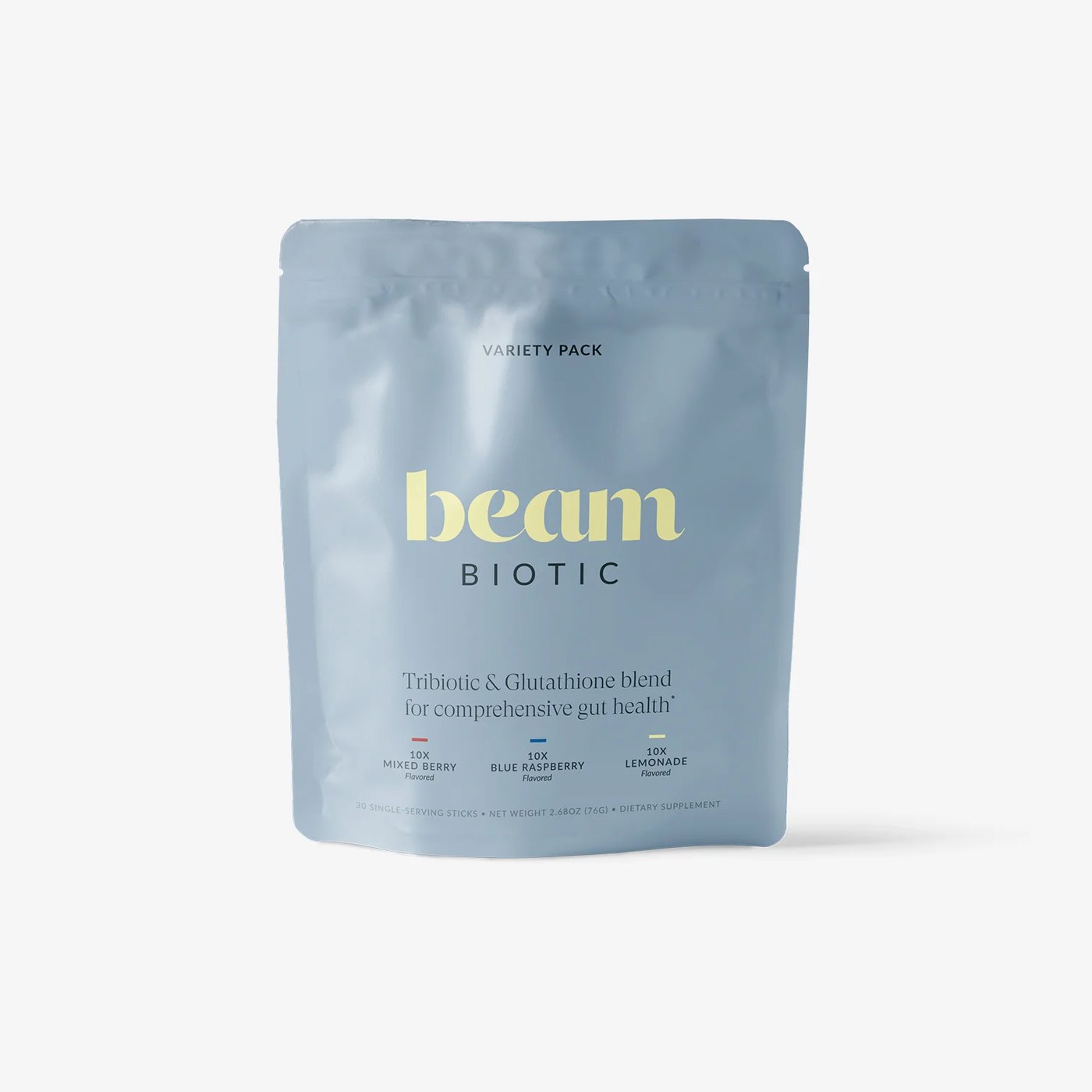
Biotic is offered at 64.99 dollars as a gut health superblend with prebiotics, probiotics, postbiotics and glutathione in flavors like Crisp Apple. Probiotics are living organisms, which makes sourcing and stability quiet and exacting work. How do you tend strain, count and survival to the end of shelf life.
Kevin: Biotic carries our most demanding chain. Prebiotics arrive as dry fibers with plain specifications. Probiotics ask more. Every strain holds an identity, a deposit record and a count stated in colony forming units. The label presents counts at manufacture or through expiry according to the panel, and our task is to keep that count steady through blending, packing and storage.
We ask the culture supplier for identification at strain level, with certificates for potency and contaminants. The blend stays dry, packed to restrain moisture, and held within temperature bounds. Postbiotics are inactivated ferments, which gives more stability, and glutathione arrives as a tested raw with its own assay. Finished lots receive checks so the Supplement Facts panel mirrors what was blended and what stability work supports.
Matt: We prefer hearing from repeat buyers over chasing trends. Gut powders are judged on mixing, taste and tolerance across weeks, so steadiness from batch to batch matters more than a fresh flavor. That steadiness grows from the same growers, the same strains and the same tests, lot upon lot.
You began with a tincture and a lotion sold from a folding table on Boston streets, in CrossFit gyms and juice shops, after training together for an IRONMAN and trying CBD for old injuries. What did those early evening sales teach you about what people would truly read on a label.
Matt: Kevin and I first met at Boston College, where I was playing hockey and he was playing baseball. After a serious concussion, I stepped away from professional hockey toward work in tech. Kevin moved through his own baseball injuries as well. Later we trained side by side for an IRONMAN and tried CBD to care for our older injuries.
We sought something that matched our personal wellness standards, yet the search for a product that was all natural and open about ingredients wore us down. When we chose to form Beam, we were far from CBD specialists, but we felt we could bring something to market that was better for you than much of what stood on shelves. On those streets and in those gyms, buyers asked plain questions. Where is this from. What sits inside. Does it contain THC. Having sound partners from day one has mattered greatly to Beam, because we needed true answers rather than slogans.
Kevin: As an athlete, you learn to meet life by giving it your all, and you learn to carry the success or failure that follows. You begin acting and, half the time, you are wrong, but you watch the results you receive. That table trained us to listen and to write labels people could verify.
Your list of refuses is clear, no THC, no binders, no dyes, no excipients, no unknown substances, no opaque ingredient lists. In a calm nighttime kitchen, how do you decide what counts as necessary versus extra in a flavored powder.
Matt: Everything you need, nothing you do not guides the choice. When an ingredient fails to support taste, stability or the stated use on the label, it stays out. Flavor and sweetener choices prompt debate. A bedtime cocoa must taste calm and familiar or the routine fades, so we accept flavor parts that are named and tested, while we decline dyes and unclear blends that conceal their makeup.
Kevin: The Other Ingredients line is where confidence forms. We study it as our buyers do. Each helper must earn a place for flow, mixing or moisture control, supported by a specification and a test. When we can hold fill weight, uniformity and shelf life without it, we omit it. That is the soft thought behind starting your own wellness rhythm and resting at your actual best. The shift is plain. A short label you can trace by lamplight.
Your early promise spoke of organically grown hemp in Colorado, processed to be THC free and pharmaceutical grade, at a time you called the market unregulated with trace THC, metals and pesticides. How did you arrange sourcing and testing in those days to back those words.
Matt: We both found that nothing in life worth seeking arrives easily. To be the best or to build a sound business, you must accept daily effort. For us that began at the grower rather than with marketing. Organically grown hemp in Colorado served as our base because we could name the state, visit the system, and request papers on cultivation.
We turned away from THC and risky additives at the start, and we turned away from binders, dyes, excipients and unknown substances. Each incoming lot needed a certificate of analysis on arrival, followed by outside lab review for identity, potency and contaminants including heavy metals and pesticides. Fill weight and encapsulation were compared with the label so milligrams aligned with the panel.
Kevin: I arrived at Boston College to play baseball, where I met Matt Lombardi, now my business partner at Beam. That confidence flowed into supplier selection. We prefer openness about ingredients over shelter in proprietary blends, and we prefer teaching customers over chasing quick acquisition. When a lot missed specification, it stayed back.
By 2022 you were telling interviewers, however, that you are really not a CBD company, and you consider yourselves a health and wellness company. What shifted in the supply chain when Dream and powders became the center instead of oils.
Kevin: Training showed us that rest and steady routine outweigh any single ingredient. Dream reshaped our chain entirely. Rather than one hemp extract with a carrier oil, we handled cocoa, five sleep supporting ingredients, flavors such as Cinnamon Cocoa and Brownie Batter, sweeteners and powders that act differently in heat and humidity.
Powders require blending control, particle size, moisture handling and serving evenness. A 20 serving jar must scoop alike on day one and day twenty. That calls for validated blending, checks during processing, and testing of finished product by lot. The farm remains relevant, but the blending room and packing line matter too.
Matt: Athletics and business both turn on perspective. In our experience, winners take a negative and shape it toward a positive. The CBD supply trained us in records. The cocoa supply trained us in flavor steadiness and ritual. We hope to hand people tools to reach their best possible selves, whether an athlete, student, school bus driver, elderly relative and everyone in between, and that required a chain able to produce a nightly drink, not only an oil.
Beam now spans sleep, gut health, hormones, performance and kids nutrition, cocreated in one case with Shawn Johnson, and you speak of better sleep and all day wellness. How do you keep provenance work steady as the catalog grows and harvests shift year to year.
Kevin: Growth brings more farms, fermentation vessels and flavor lots, so we rest on systems. There were approved growers and approved culture banks and approved flavor houses. Each holds a specification, a duty to report change and a test plan. When a harvest moves, the lot must still clear the same identity and contaminant bounds or face rejection.
Matt: We both found that nothing worth seeking arrives easily, and provenance asks for daily care. We hold formulas steady, qualify backup sources before need, and treat the lot file as the source of truth. The household keeps a small shelf for years. Our task is to let the jar from last year match the jar this year, with papers behind it.
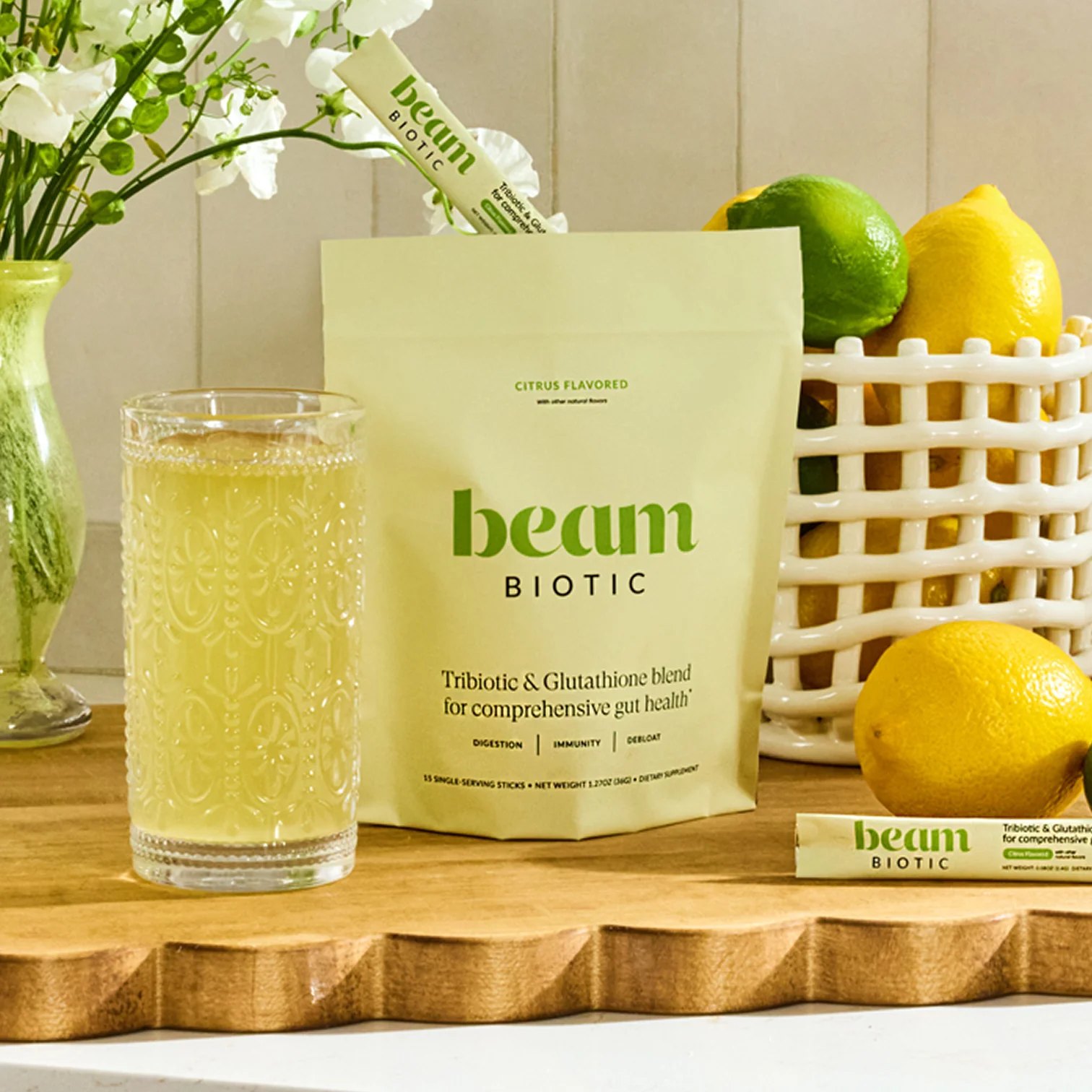
On those streets and in those gyms, people asked plain and simple questions.
Matt Lombardi and Kevin Moran
Looking back to Boston College and those first street sales, what would it take for you to publish the full chain for Dream and Biotic, grower names, extract ratios, lab sheets, so a careful household buyer could check it alone at night.
Matt: We sit near readiness on finished lot sheets and firmer on naming growers for leading ingredients. Full release needs steady grower disclosure from each minor supplier and consent to share their audits, plus a site space where lot codes call up the matching certificate. That build is underway.
Kevin: As an athlete, you learn to meet everything by giving it your all. For us that involves naming what can be traced today, naming what remains untraced, and completing the paperwork to narrow the gap. When a parent buying for a household enters a lot code and views the farm, the extract ratio where relevant, the standardisation where claimed, and the third party lab results for that batch, then the label has served its role.
Closing note from the desk
What lingers is a lamp lit steadiness in how the founders accept review. Lombardi and Moran talk like former players used to keeping logs, owning a weak rep, and repeating the set with care. They state their refuses directly and outline lots, blends and screens in plain terms.
Beam aimed to create goods for nightly and daily use, with labels that note origin, content and limits. From the brief, the finished lot file reads as the firmest link, farm naming for minor parts as the thinnest, and the plan for searchable lot codes as the candid next move toward quieter nights.
Product spotlight
Dream forms the evening anchor for the brand. Original Cinnamon Cocoa is listed at 49.99 dollars in 20 servings, with a 30 serving jar at 64.99 dollars, plus Pumpkin Spice and Brownie Batter at 20 servings. Stir the powder into hot water or warm milk as part of the hour before bed, keeping to the serving on the label, which may help some people keep a calmer routine.
Biotic sits on the morning shelf as the daily gut powder. Listed at 64.99 dollars, it is sold in Crisp Apple and in Duo Packs that pair flavors like Crisp Apple with Mixed Berry. It blends prebiotics, probiotics, postbiotics and glutathione in a powder to mix with water each day, keeping to the serving on the label, which supports a steady start that may carry into clearer evenings.

Tara Whelan
Tara runs the night desk and the evening guides at Well with Luna. She has tested every mask, nasal strip and pillowcase we have written about, one night at a time, and keeps her notes in a paper diary by the bed.
More from Tara Whelan →