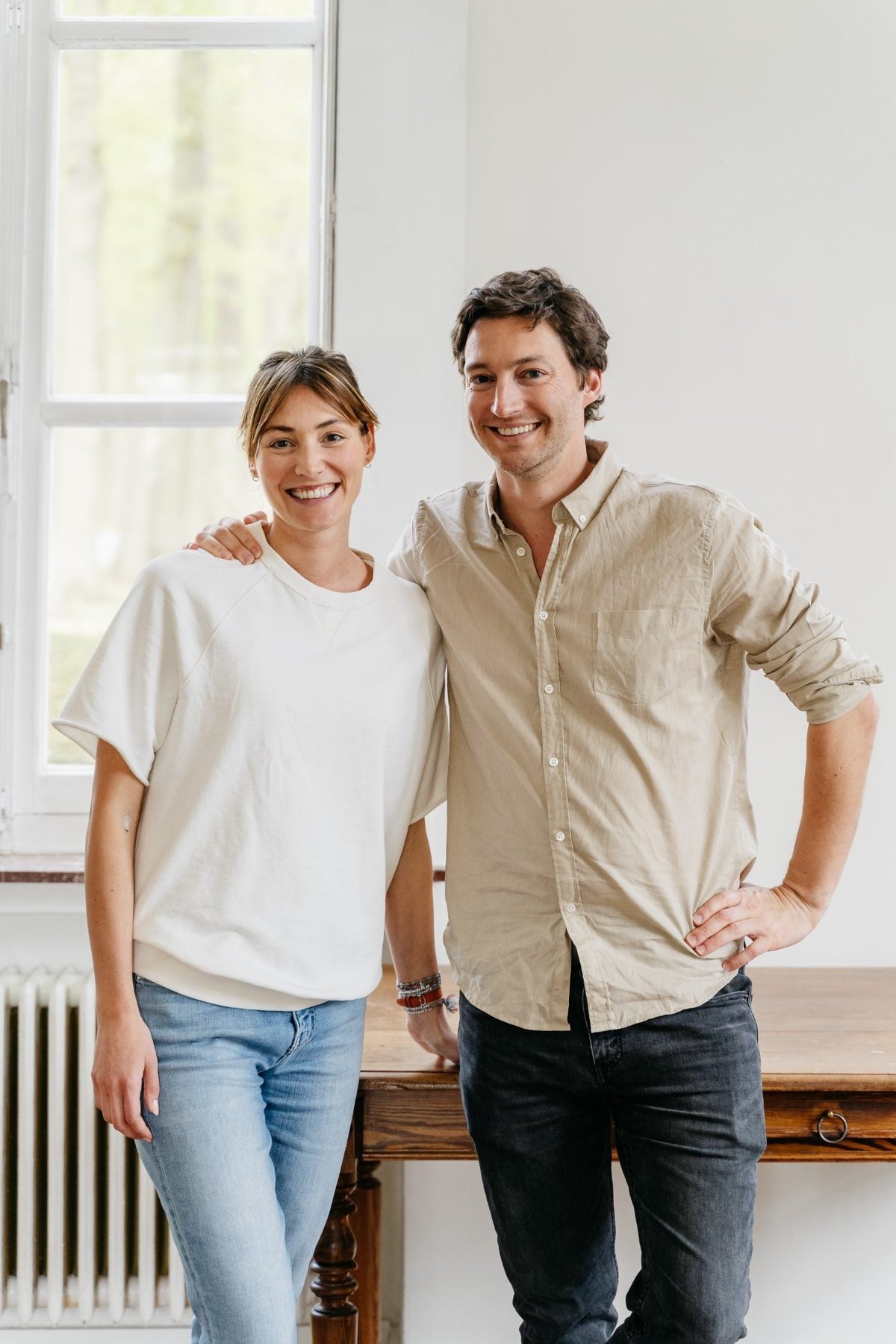
A gentler instant coffee made with shade grown arabica and six mushrooms, checked for heavy metals and mycotoxins, and packed as a powder to stir before bed or at first light. Andrée Werner and Rashad Hossain describe the source of every part and what the label supports.
March 2020 in Boston felt cold and hushed and strange. In that month Andrée Werner and Rashad Hossain started RYZE, a direct to consumer coffee label guided by what they describe as a small but mighty team of creatives, strategists, scientists and support staff in Boston, Massachusetts.
The roots reach back to Harvard, where the two close friends leaned on coffee during heavy days and restless nights. The lift and the fall left them drained and uneasy and on edge. Hossain spent three years after graduation at Kraft Heinz marketing well known coffee labels, and he began to question selling coffee that failed to support a steadier daily life.
The result is mushroom coffee that dissolves in water. Shade grown organic arabica from Mexico is roasted, brewed and spray dried, then mixed with six certified organic mushrooms raised in California and Nevada, along with MCT and fiber. The brief lists Cordyceps, lion’s mane, reishi, turkey tail, shiitake and king trumpet. Every lot is screened for mycotoxins and heavy metals.
What held our attention through lamplight, and what this talk traces, is how much of the supply path they can state. States where mushrooms grow, country where coffee grows, a spray drying phase, a blending phase, a screening phase, dispatch from Texas. We ask what is recorded, what an extract ratio or a certificate of analysis might confirm, and where the paper trail stays thin.
Your medium roast shows around 48mg of caffeine in each cup, and your dark roast shows 80 to 90mg in each serving. Why leave a little coffee in the mix rather than removing caffeine fully, and how do those label numbers guide an evening cup.
Hello, we are Andrée and Rashad, and we are truly glad you stopped by. We never planned to start a label, we only hoped to rest and feel steadier. At Harvard we leaned hard on coffee to carry us through heavy days and restless nights, and slowly it turned into reliance. We felt drained and uneasy and unsettled after the lift, then low as it faded. We sensed we deserved better so we built it.
After graduation I gave three years to Kraft Heinz, marketing some of the planet’s best known coffee labels. I watched the way coffee was pitched, and I started to doubt the side effects and the sale of goods that failed to support balanced living. So I left to shape a kinder coffee for myself with superfoods. Cordyceps was the first fungus we tried, and its effect on our stamina and attention surprised us. After that we folded in five more mushrooms to our habit, and when that mixture felt right, RYZE came to life.
You started online in March 2020 as two Harvard undergrad friends who had depended on coffee through heavy days and restless nights. What did that lift and fall do to your sleep, and which night made you say you needed better so you made it.
The custom never left us yet the cost kept growing. We adore the custom yet we will not treat jitters, crash and stomach upset as the cost of coffee. We prefer Cordyceps for stamina over strong caffeine, and we prefer one calm daily custom over fussy wellness. A standard brewed mug often sits near 95mg or higher, so our medium roast at around 48mg is under half. That smaller figure is central. It allows folks to retain the flavor and habit they enjoy, in a softer cup.
Our dark roast at 80 to 90mg per serving suits people who prefer a stronger coffee note with Cordyceps and Reishi inside. We print the span on the page because instant powder, scoop level and brew strength can alter the final mug. Mix into 8 to 10 oz of warm water, whisk for froth, stir in nut milk or natural sweetener as wished. That stays the full habit. Feel a Little Better Every Day is more than phrasing to us. It sets the test for whether the caffeine amount fits.
You share that the ingredients are tested for mycotoxins and heavy metals. Who collects the sample, which lab handles it, and what can a certificate of analysis tell a buyer about one batch.
Screening belongs to each mixture. Components are checked for mycotoxins and heavy metals, which remain the two hazards we track most in coffee and dried fungi. Coffee can carry mold related substances when drying or storage slips. Fungi may absorb metals from substrate, water or air. Hence a portion from the lot travels to a third party lab, meaning a lab apart from us and apart from our vendors.
A certificate of analysis is the lab sheet for that lot. It notes what got screened, the technique, the threshold, and the outcome. For heavy metals that often covers lead, cadmium, arsenic and mercury beside a stated threshold. For mycotoxins that often covers aflatoxins and ochratoxin A beside a stated threshold. The sheet bears the lot or batch code, so you can tie the paper to the powder in the pouch. We have not shared those sheets lot by lot, and we leave labs unnamed in the brief. What showing it would require is a lot search where a buyer enters the code on pack and views the linked sheet.
You describe shade grown organic arabica from Mexico that is roasted, brewed and spray dried as instant powder. Can you trace that coffee path lot by lot, from harvest to dried powder, and note what shifts at each stage.
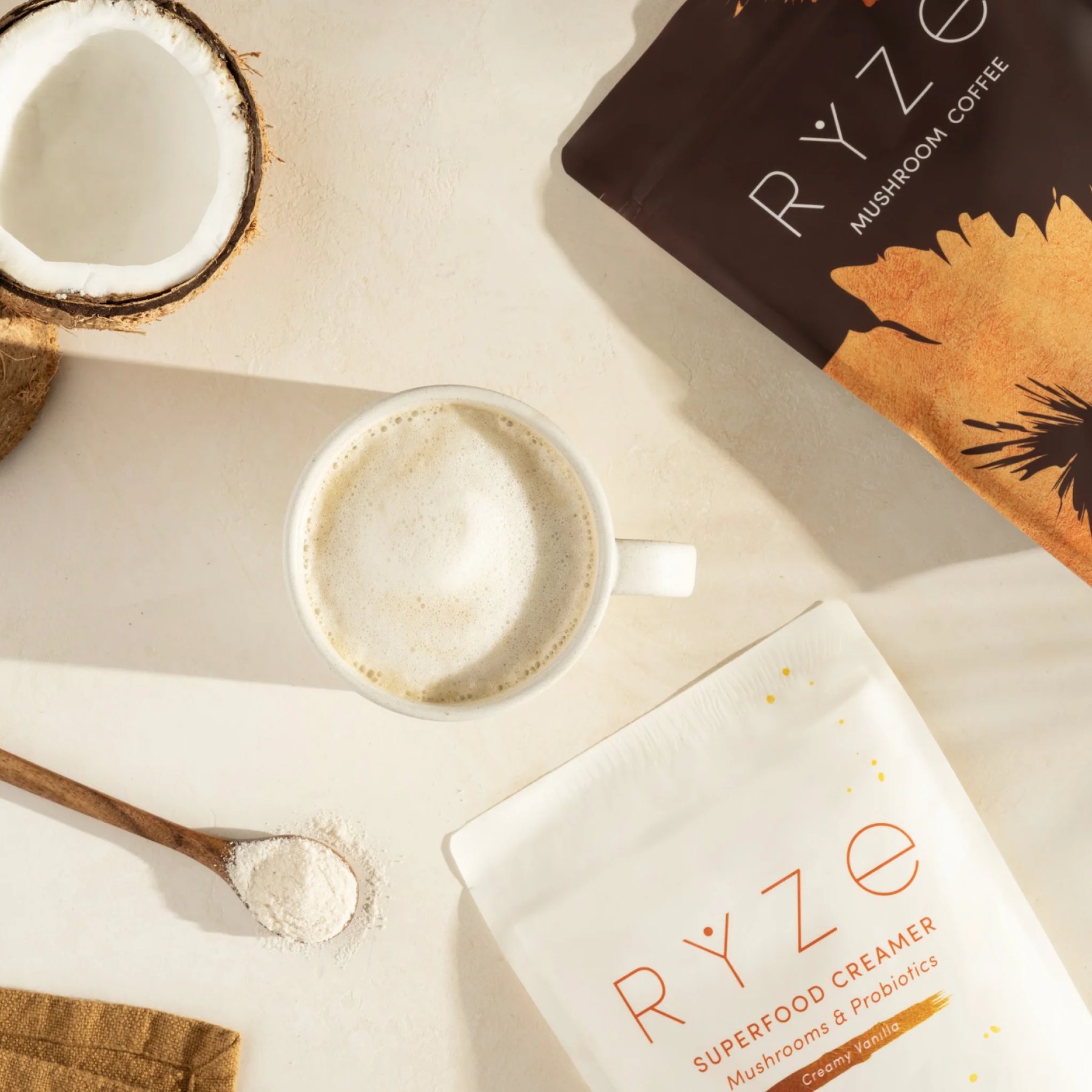
The coffee begins as shade grown organic arabica raised in Mexico. Shade grown signals plants matured beneath canopy, which slows ripening and molds taste. Following harvest and origin processing, the green coffee reaches us for roasting. Roast defines shade and flavor, medium toward smooth, dark toward strong. Next we brew it, much like a potent pot, and mist dry that brew into instant powder.
Spray drying shifts brewed coffee into a dry powder that melts in warm water. No grinder and no filter wait in your kitchen. Lot identity counts at this point. Harvest plenty, roast plenty, brew plenty, dry to powder plenty. We hold that sequence so we know which powder entered which finished batch. The powder then joins the mushroom elements plus MCT and fiber. That mixture is what you blend into 8 to 10 oz of warm water. Plain on your counter at dusk, yet every phase holds a site, a date and a weight behind it.
You grow certified organic mushrooms in California and Nevada, six kinds including Cordyceps, lions mane and reishi. Which cultivation approach do you follow, fruiting body or myceliated grain, and what do your extract ratio and standardised marker truly record.
We work with six mushrooms, Cordyceps, lions mane, reishi, turkey tail, shiitake and king trumpet, grown as certified organic in California and Nevada. Certified organic in this context covers cultivation and handling under US organic standards, with reviews and input logs. They dry after harvest, then move toward blending with the coffee powder. Remaining components come from inside the US.
On the label we present the mushroom mixture as foods used for broad wellness support instead of as medicine. What we can evidence now is state of origin, organic status, drying and blending logs, and finished batch files. What we have not released per lot is whether every mushroom reflects fruiting body alone or covers myceliated substrate, nor the extract ratio or any uniform marker such as beta glucan percent. Those three points are what Seed to Capsule readers check when weighing mushroom goods. To evidence it we must release the spec sheet for every mushroom component and align it with the certificate of analysis for every finished lot.
After more than a year of tinkering, testing and taste tests we landed on six mushrooms plus premium organic coffee.
Andrée Werner and Rashad Hossain
Your flagship Medium Roast mixes coffee with a six mushroom mix plus MCT and fiber, while Dark Roast centers on Cordyceps and Reishi for a stronger cup. After more than a year of tinkering and taste tests, where did the two recipes part ways.
Many late evenings passed, endless tweaks, and more sips than we can tally. We gave everything to nurturing our circle and meeting folks who, like us, hoped for something kinder for their minds, bodies, and lives. After over a year of adjusting, sampling and sipping we settled on six mushrooms plus fine organic coffee for the flagship.
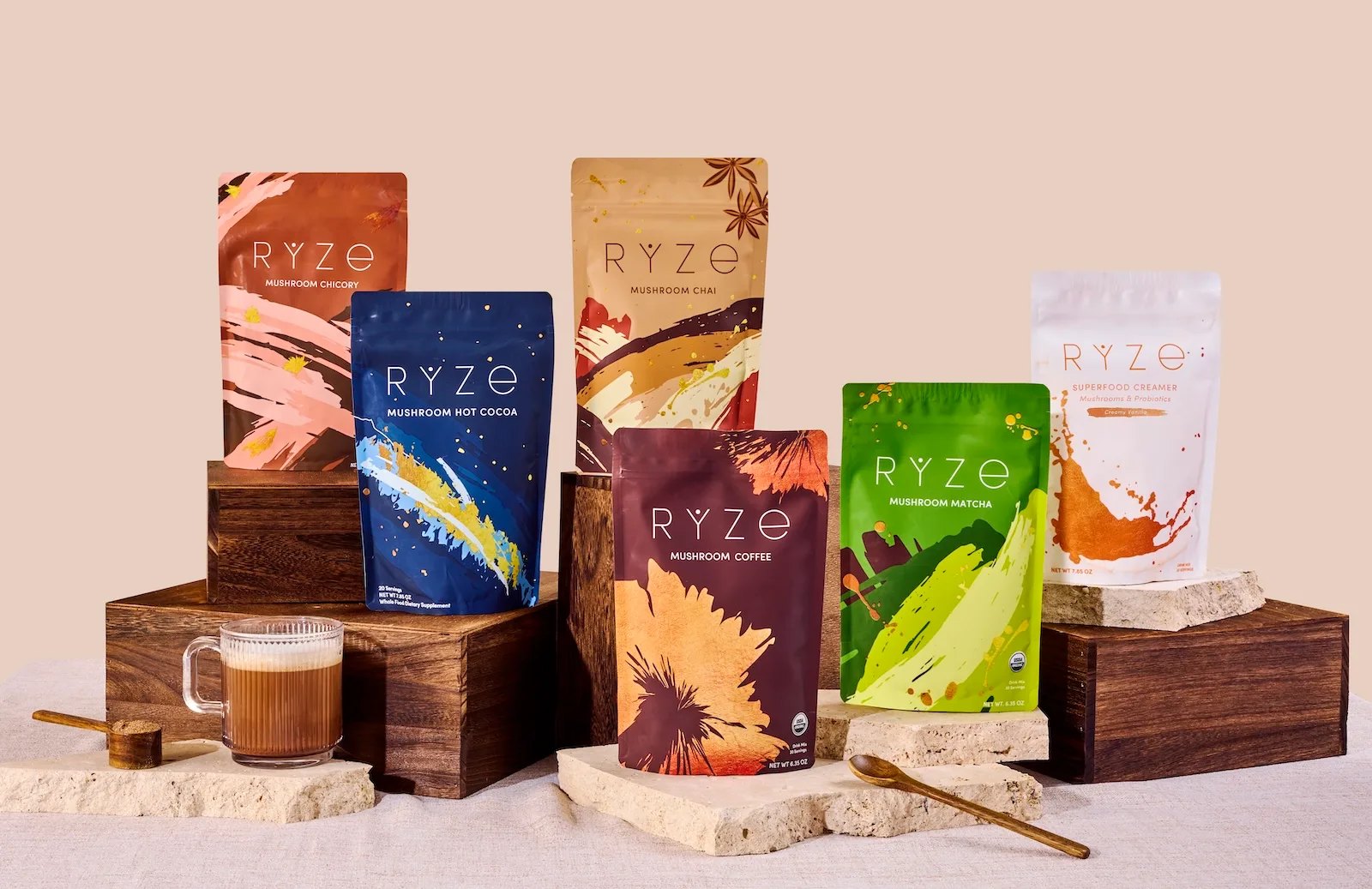
The medium roast serves as the daily mug, smooth and organic, around 48mg caffeine per cup, with the six mushroom mixture and MCT for steady energy without the fall. The dark roast means organic instant dark roast with Cordyceps and Reishi, 80 to 90mg caffeine per serving, for a stronger coffee note with mushroom mix. Same practice, blend into 8 to 10 oz of warm water, whisk if foam sounds nice. One offers width across six mushrooms, the other offers focus on two with deeper roast notes. Both protect a plain habit.
You list 219,503 reviews at 4.8 out of 5 and over 200,000 five star reviews, and you ship from Texas while sourcing in the US. How do you preserve lot identity from blending to the box that leaves the warehouse.
We opened online in March 2020 as a direct to consumer label, and what started as a private morning custom widened into a daily habit for millions. We raise organic mushrooms in California and Nevada, fetch remaining components in the US, and dispatch from Texas. That triangle holds only when files follow the goods.
In daily terms it looks like this. Every inbound component owns a lot code and a certificate. Blending opens a fresh batch code that records which component lots entered and in what weights. Fill weight gets verified so each serving holds the planned share of coffee and mushroom mix. The finished batch code is printed on pack, and the Texas site selects and ships by that code. Reviews show whether folks reorder and how the mug tastes near lights out. The batch file shows what sits inside that mug. We have found that truly no one will grasp your business as you do, and you will never learn until you test, so we probe the method with each run.
You often speak of feeling a little better every day and of a RYZE Revolution centered in community. What does that community want you to show next about provenance.
They wonder where precisely this comes from, and how you confirm it. They read the Supplement Facts panel and the other ingredients line. They request the farm, the harvest, the drying technique, the extraction note, the lab and the threshold. We remain more than glad to join other founders and share guidance on growing a label through social media plus growth tips for e-commerce shops, yet our earliest duty is to reply to our own buyers.
So the coming proof stays clear and open. Release the mushroom spec sheets, covering plant part and extract ratio where relevant. Release a sample certificate of analysis covering heavy metals and mycotoxins with techniques and thresholds. Offer a lot search so each pouch leads to its sheet. Keep naming growers by state and coffee by country, then add harvest season when known. We prefer tending community and honest ties over merely selling coffee, and files form part of that faith.
Closing note from the desk
What lingers for us in the hush before lights out is the portion of the path they already name. Coffee country, mushroom states, roast and spray dry stages, mix with MCT and fiber, screens for mycotoxins and heavy metals, pack and send from Texas. That stands as more sourcing than plenty of instant coffees share, and it offers a thoughtful buyer a calm place to begin.
What remains unclear is equally plain. No farm titles, no fruiting body or extract ratio on view, no open certificate of analysis per lot. RYZE hoped to craft a soothing coffee custom with gentle energy and easy use. The next move toward that hope is to let every pouch lead back to its own sheet.
Product spotlight
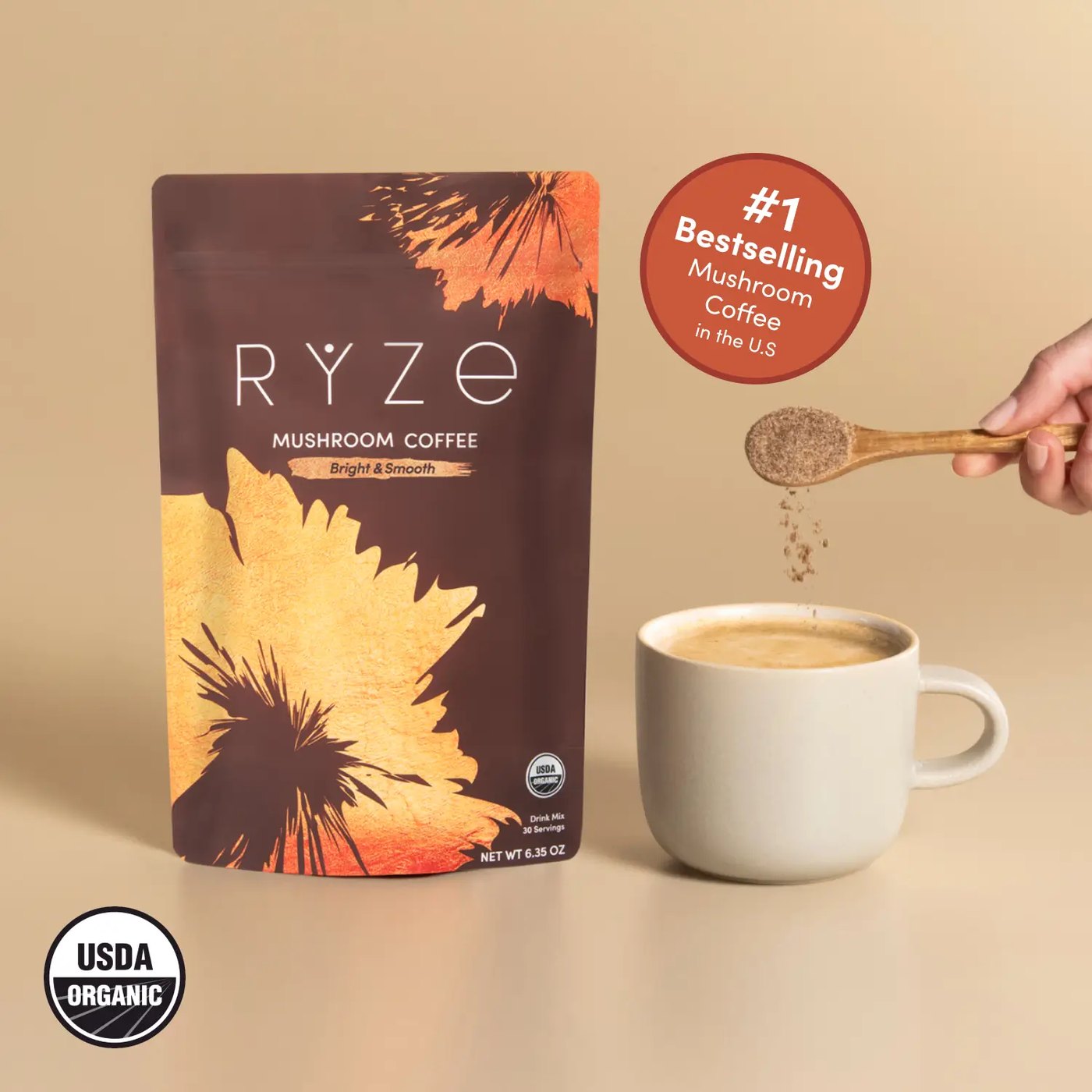
Mushroom Coffee costs 45 dollars for 30 servings. Organic instant medium roast with six mushroom mix plus MCT and fiber, around 48mg caffeine per cup. Blend into 8 to 10 oz of warm water, whisk for froth, mix in nut milk or natural sweetener as wished. The label frames it as a soft daily habit that may help some people wind toward night.
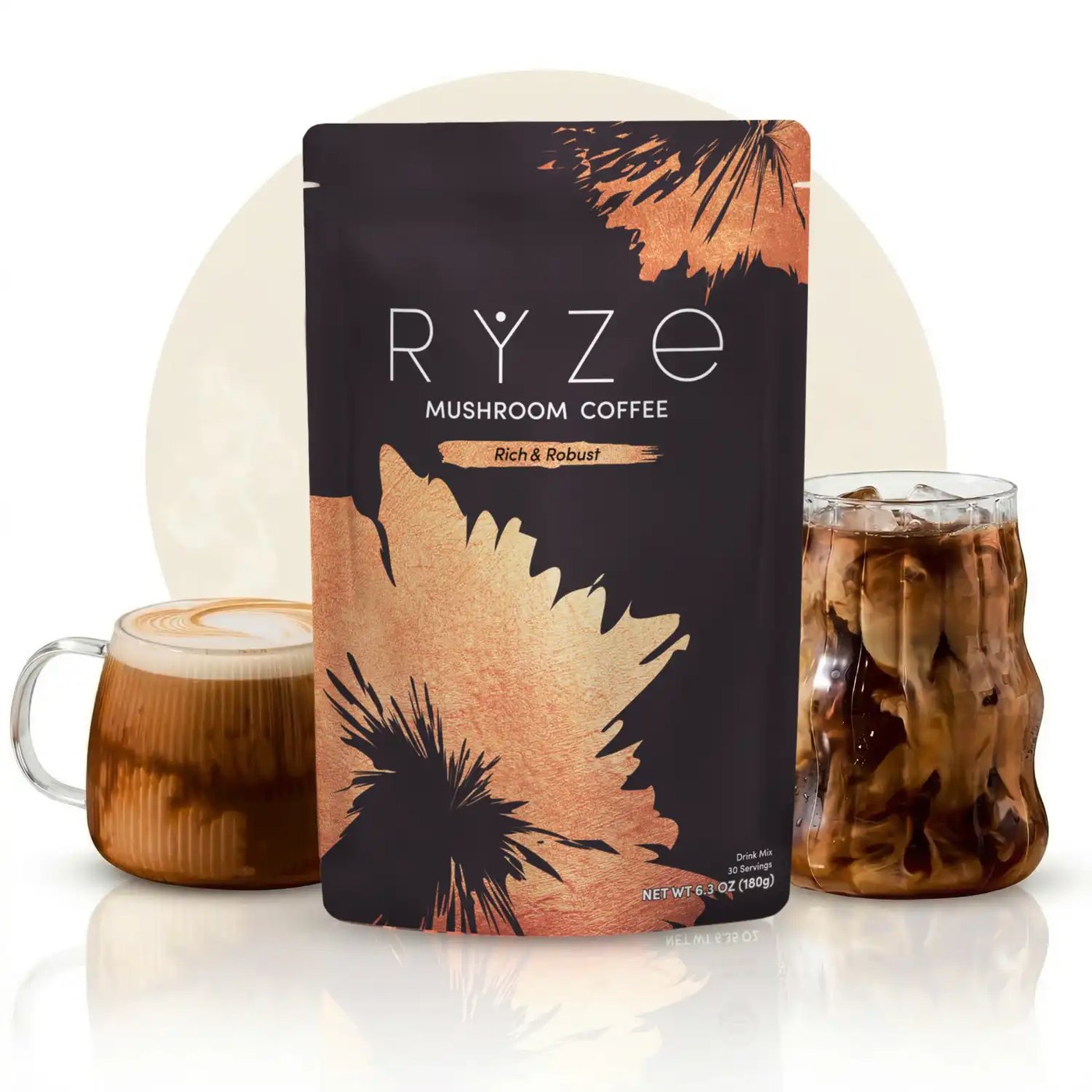
Mushroom Coffee Dark Roast costs 27 dollars for 30 servings. Organic instant dark roast with Cordyceps and Reishi plus mushroom mix and MCT, 80 to 90mg caffeine per serving. Same preparation, blend into 8 to 10 oz of warm water. The label frames it as a stronger mug with the same plain routine.

Courtney Belknap
Courtney produces the interviews at Well with Luna: the research, the question lists, the late follow-up calls. She asks every founder about the worst night that started the company, and then about the dose.
More from Courtney Belknap →