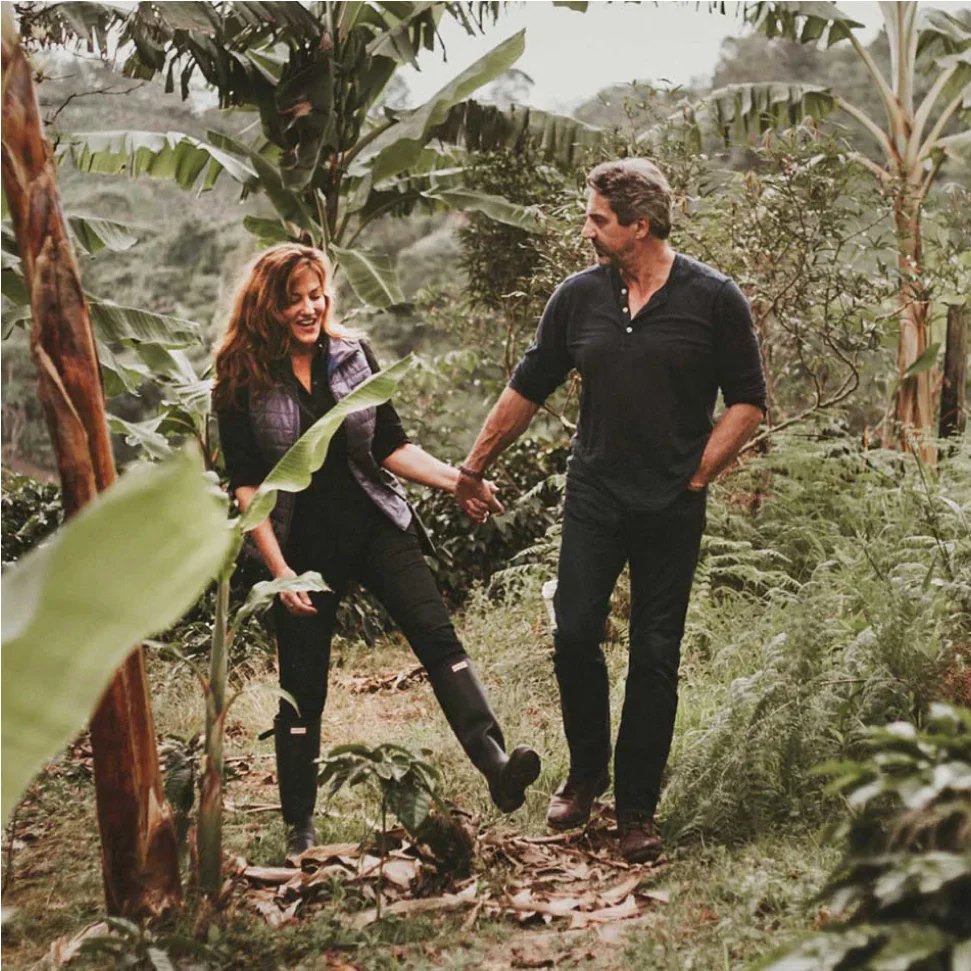
The night Amber Salisbury asked for proof before she would pour out her coffee, a small home rule grew into a company.
Amber Salisbury asked her husband for solid reasons before she would give up coffee, and that night shaped Purity Coffee. The brand did not start in a tasting room or a trend report. It started at home, with broken rest, long days, and a wish to know what was really in the cup after dusk.
Andrew Salisbury is the founder and chief executive of Purity Coffee, started in 2016 after Amber developed draining fatigue. She rested 10 to 12 hours and still woke tired. Physicians had no clear answer. The household already held steady habits around movement, organic food, regular bedtimes and filtered water. Amber leaned on larger amounts of coffee to stay awake through daylight. Andrew feared the coffee might be adding to her trouble.
What draws us, reading his interviews and company records, is how seriously he received her request. He visited the Vanderbilt University Institute of Coffee Studies, read through more than 19,000 papers, then gave 18 months with Dr. Adriana Farrar to building a method that followed coffee from field to roast. The thread of this talk is plain, in his language. It concerns keeping the helpful parts in and keeping the unwanted parts out. All else is records to support it.
What did those months at home teach you about where to look next, when your wife was sleeping 10 to 12 hours and still waking exhausted, while doctors had no answers and you were both already living carefully?
Yes, in simple terms, it all began while my wife faced health trouble. She would rest 10 to 12 hours and rise still weary. We moved our bodies, we ate organic, we kept set sleep hours, we drank filtered water, and her doctors felt stuck. She began using heavy amounts of coffee only to remain upright in daytime, and I grew uneasy that coffee might be feeding her condition. She told me plainly, look, she would not release her coffee unless I brought her sound reasons for doing so. So I began to study whether coffee held health value and whether it truly harmed. I traveled to the Vanderbilt University Institute of Coffee Studies. They opened more than 19,000 papers to me on coffee and diabetes, heart disease, liver disease, Alzheimer’s and cancers. What I learned led me softly toward rest Three to 5 cups daily appeared tied to gains, largely through antioxidant action. That reframed my question. It stopped being if we should pour coffee It turned into which coffee we were drinking.
Three to 5 cups a day linked with benefits from antioxidants sounds like a turn. What did that number change about your plan, after you went to Vanderbilt and found more than 19,000 studies?
Many drinkers do not know coffee ranks as the leading source of antioxidants in the American diet, and when I first read that, it rather startled me. I had arrived believing coffee was at fault unless cleared. Coffee sits among the richest antioxidant sources in the American diet. That detail reset the work. If coffee already carries polyphenols and other active compounds into so many homes, then sourcing matters in another sense. You must screen coffees globally in the lab and keep those richest in antioxidants. That became our quiet buying rule We hoped to set careful standards for what we see as a fresh coffee and health category. If health gains alone steered us, which choices would we take. That inquiry shaped our farm selection, our picking standard, our drying, our transport and our roast. We did not open with tasting notes and reason back. We opened with makeup and reasoned ahead.
Trust broke early, when your first Brazil lot arrived riddled with mold and mycotoxins after a farmer substituted lower standard coffee. What did that failed delivery teach you?
That early Brazil shipment schooled us beyond any call. We had started gathering coffees across regions and screening in the lab for antioxidants, mold, mycotoxins and heavy metals. The shipment landed and testing showed it full of mold and mycotoxins. The grower had swapped in lesser coffee than agreed. Near the close of 2016 we still packed our first bag, yet only once we had set aside all that missed our bar. It proved why an origin name cannot carry a purchase. You must screen coffees worldwide in the lab and retain only lots that clear the bar, one by one. A certificate of analysis, the lab page for one lot, must align with the sack you truly get. Third party lab means testing done by a lab apart from the seller. That separates an assertion from a record. Since then we formed our chain around that. Named growers where possible, set picking and drying rules, then checks ahead of roast. Confidence trails the sample.
If health alone drove every choice, what did that protocol require at origin, after you spent 18 months with Dr. Adriana Farrar?
We kept asking, if health gains alone steered us, which choices would we take. Beside Dr. Farrar we reviewed each stage. It pointed to regeneratively grown organic specialty arabica. It pointed to hand gathered cherry, attentive drying, and tidy handling so mold finds no opening. Pesticides and mold stand as the two things to keep out. Coffee counts among the most intensely sprayed crops globally beside tobacco and cotton, using agents that would lack approval in the US. So we decline coffee grown with pesticides. We decline mold and mycotoxins. We decline thin commodity coffee that trades away health and taste, and rough picking and handling that lets mold in. Every shopper should ask for sound clean coffee By clean we point to fixed items we assay. No applied pesticides under organic rules, and lab pages showing mold and mycotoxins under our caps. That is files, not a slogan.
It is about the presence of good things and the absence of bad things, in your words. How does roast keep that idea through the evening without losing what you selected for
It concerns keeping the helpful parts in and keeping the unwanted parts out. That sentence steers our roast. Chlorogenic acids, known as CGA, with trigonelline sit among the helpful parts we track. They move with crop and harvest and listen to roasting Darker and longer does not always serve coffee chosen for those parts. So we roast through tailored protocols to hold chlorogenic acids and other supportive compounds, with antioxidants measured. Day to day that calls for narrow roast curves per lot, then assays to confirm. We prefer to protect the useful fraction than merely screen out the poor fraction. We prefer to let health shape each call than roast for price or habit. Drinkers say they sense it bodily. We present that as buyer notes on smooth energy without jitters or sour stomach, not as a health claim. What we can file is the input and the method. Organic growing, hand picking, managed drying, lab review and a roast aimed to keep measured compounds.
We would rather base every decision on health than roast for cost or convention
Andrew Salisbury
Honey processed coffee from the Inga people and microlots from the women of Finca Santa Maria appear in your releases. What can you trace today with regeneratively farmed organic arabica, and what remains opaque?
We can list far more than at launch. Our Sacred Cups releases, as an instance, hold honey processed coffee regeneratively raised by the Inga people in southwest Colombia, and microlots raised by the women of Finca Santa Maria in Colombia. Honey process in this setting means some cherry mucilage stays on the bean while drying, which shapes taste and demands watchful drying to remain sound. Regenerative as we use it means culture that feeds soil and skips synthetic pesticides, within organic approval. What we can present is the farm or group, the method, the lot screen for mold, mycotoxins and contaminants, plus the roast log. What stays hard is full box level tracking on each blend part across seasons. Crops turn. Lots run out. When a part shifts, the files must shift too. We credit what can be traced and we keep assaying what is not yet fully seen. Just choose a better quality coffee for the evening That reads plain, yet behind it sit pick date, drying notes, lot number and lab page.
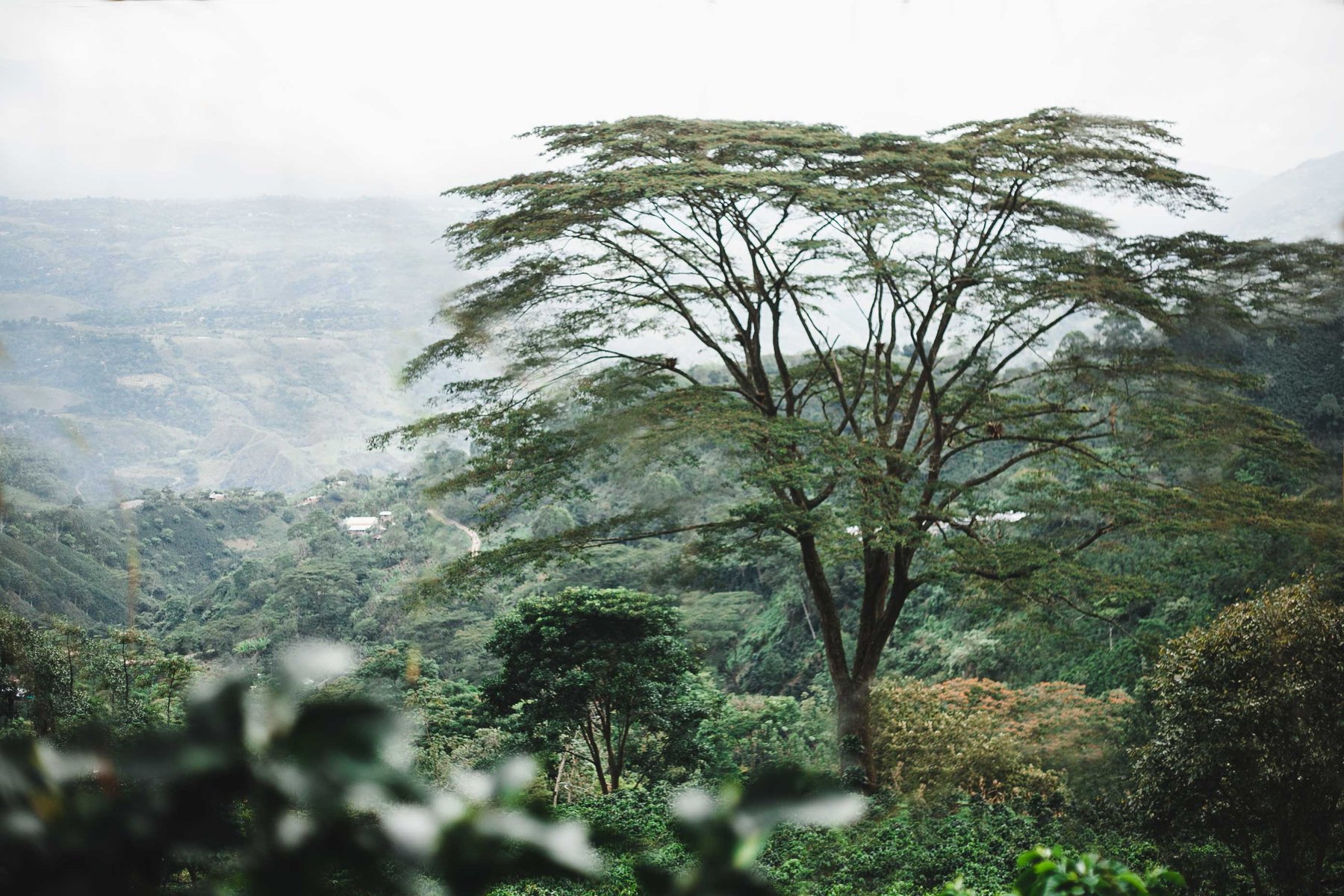
A careful buyer with a full evening and a light morning in mind wants a place to begin. Where should they start among espresso, cold brew and a Founder’s Roast tied to Alzheimer’s awareness, and how should each be brewed?
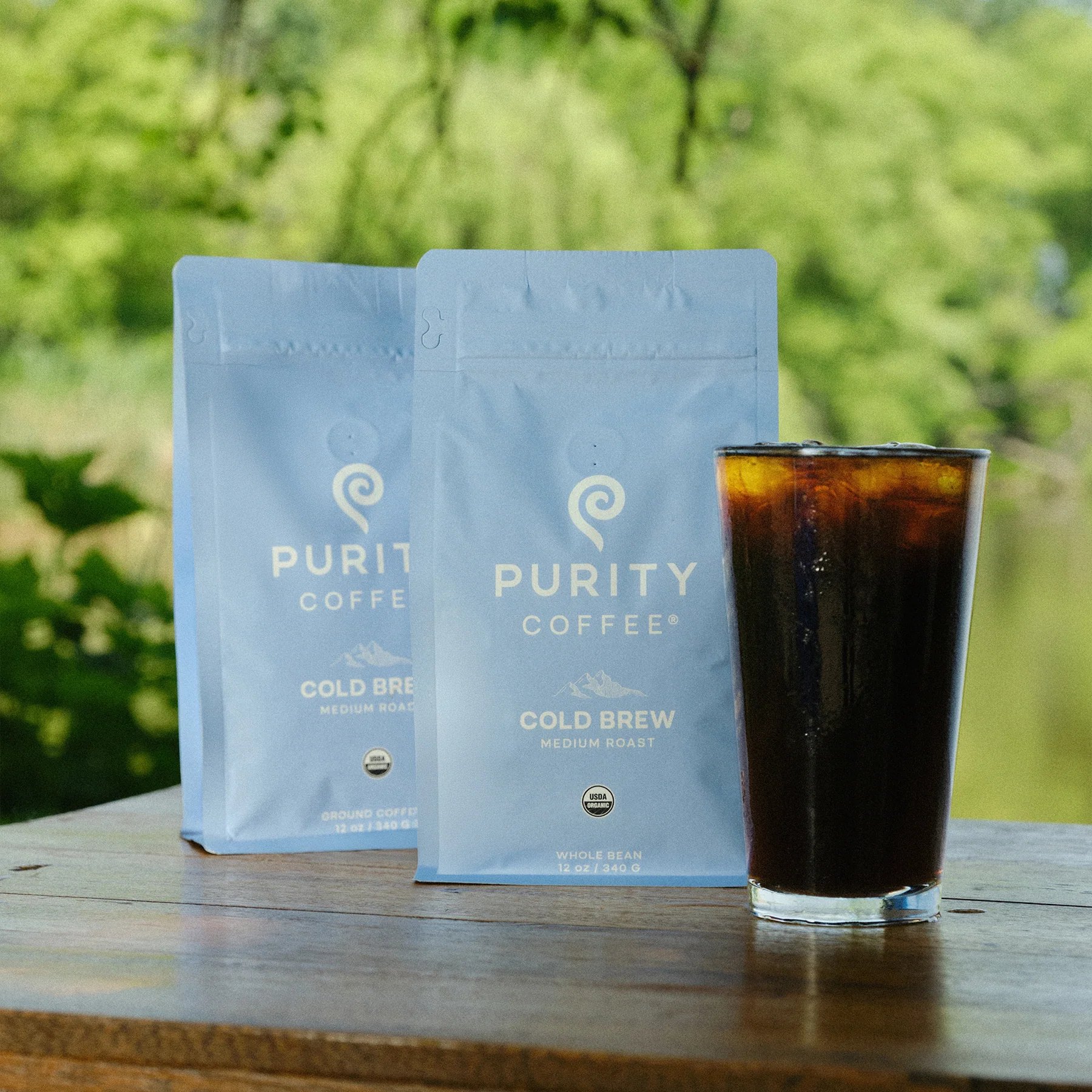
Begin with your brewer. Our Whole Bean Espresso is a medium roast shaped for espresso work, a firm level shot with rich crema and a calm close. Grind whole beans just ahead of pulling and serve straight or with milk. Our Cold Brew Whole Bean Coffee is shaped for cold steeping at home. Grind and steep cold, a style many homes favor for a mellow cup held in the fridge. The Founder’s Roast, with the Alzheimer’s Awareness limited release, is shaped for daily drip or filter. Make as daily drip or filter coffee. Use clean water, a scale if you own one, and finish within weeks of roast Our pledge is health centered coffee without trade off that favors good compounds and leaves poor matter out. That must appear in the mug and on the sheet. Business partners Jon and Missy Butcher came beside Amber and me early, with scientists and medical practitioners guiding. Improve the world’s health through coffee rests as the mission on the wall. Make every decision based on health stands as the check before we ship.
A decade on, with Amber and Jon and Missy Butcher beside you and scientists advising, what would it take to show more?
We still tend the category we named early We hope to set careful standards for what we see as a fresh coffee and health category. To reveal more, we need lot pages that stay fresh as blends turn, holding origin, harvest, test set and roast curve together. We need outside seals that hold one meaning across certifiers, told in clear terms. And we must keep turning away lots that miss, even when stock runs thin. Every shopper should seek calm clean coffee to end the day softly By that we point to pesticide review by standard, mold and mycotoxin screens by lab, and picks keyed to measured antioxidants. People can feel it in their bodies, as buyers tell us on daily drinkability. What we will keep printing is what the label can sustain. Farm or group, lot, method, lab readings and roast date. That is how an evening reader follows coffee too. Trace it back till the field appears.
Closing note from the desk
What lingers after this talk is a founder who reads coffee as field notes before it becomes a drink. Salisbury tells of the swap that stung him, the 18 months of method work, and the lab pages that now govern what leaves. That care fits a night reader who wants a calm cup and a clear morning.
Purity aimed to let health guide each call and to print the support where it can. Some stages stay partial, as crops turn and blends shift. The course holds. Follow the bag back to cherry, drying bed, hold and roast, and keep what tests uphold.
Product spotlight
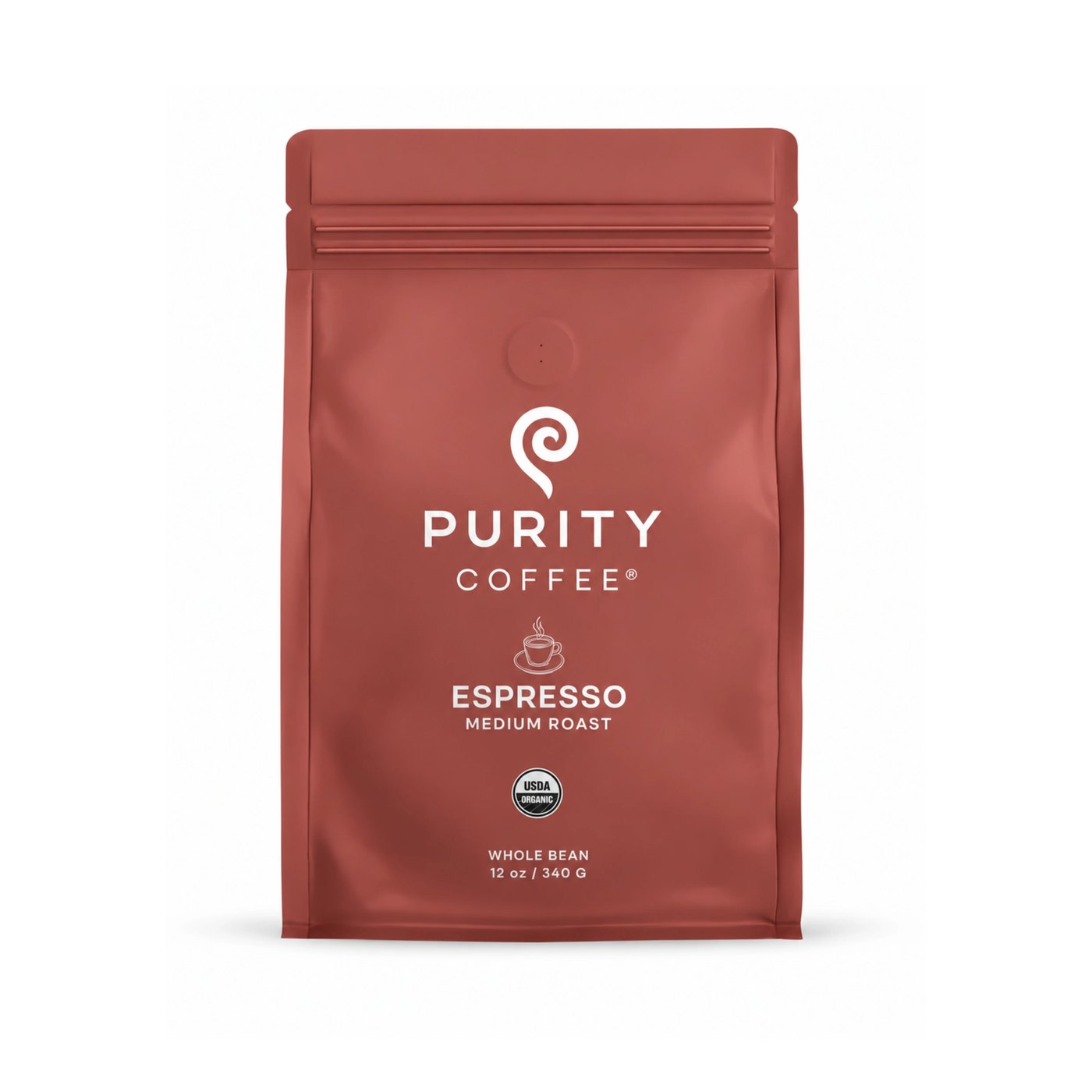
Whole Bean Espresso at 30 dollars for 12 oz whole bean A medium roast shaped for home espresso, noted as bold and level with rich crema and a calm close. Grind only ahead of pulling and serve straight or with milk. Use within weeks of roast, kept sealed and cool.
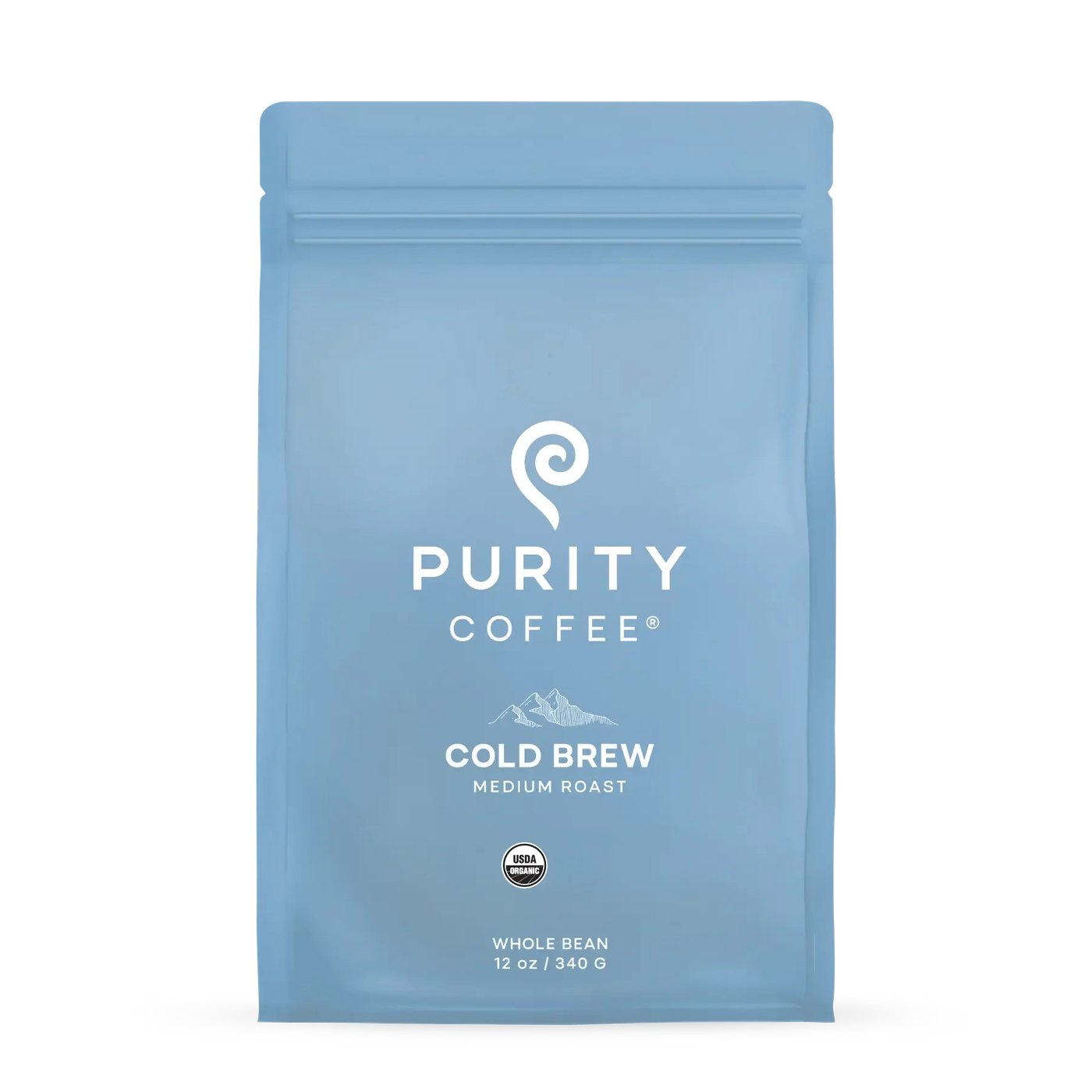
Cold Brew Whole Bean Coffee at 30 dollars for 12 oz whole bean Shaped for cold steeping at home and noted as rich in antioxidants. Grind coarse and steep cold, then strain and cool A settled home choice for those who favor a mellow cold cup.

Tara Whelan
Tara runs the night desk and the evening guides at Well with Luna. She has tested every mask, nasal strip and pillowcase we have written about, one night at a time, and keeps her notes in a paper diary by the bed.
More from Tara Whelan →