- An editorial review dated 21 August 2026 reexamined bakuchiol beside retinol and asked for clearer labels.
- The central 2019 trial tested 0.5 percent bakuchiol morning and night against 0.5 percent retinol at night for 12 weeks in 44 people.
- Wrinkle area and dark spots improved in both groups, while scaling and stinging were more common with retinol.
What may change on your shelf is modest and practical. If retinol leaves your face tight before lights out, one well described bakuchiol routine showed similar change in photoageing signs with kinder tolerance. That finding arrived again in an evidence review from AutyFIT Editorial published on 21 August 2026, which asked brands for plainer claims.
The review keeps attention on a single 2019 comparison rather than the whole serum aisle. It reports comparable improvement in visible ageing signs for the bakuchiol routine, alongside better comfort. The result applies to that tested regimen alone. It does not turn each bakuchiol bottle into a retinol match.
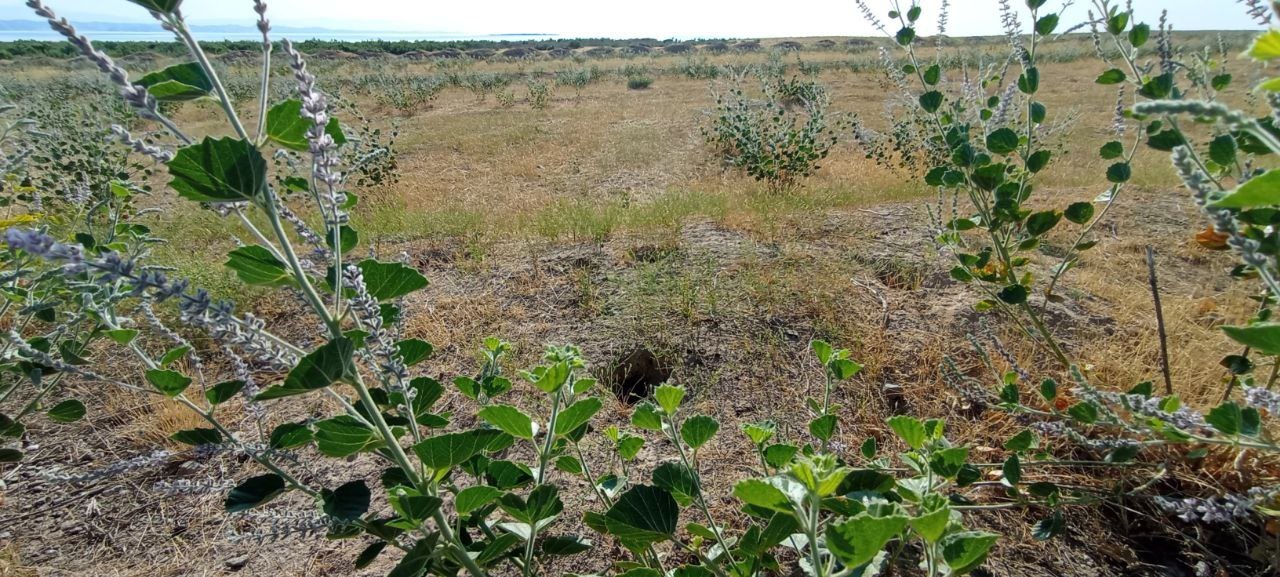
The story begins with a plant source. Bakuchiol is a meroterpene phenol tied to the seeds and leaves of Psoralea corylifolia, also known as Cullen corylifolium. Seed oil, a dilute extract and high purity bakuchiol remain distinct inputs. The Pierre Fabre study in 2020 characterized its bakuchiol input as about 95 percent pure.
The trial itself stayed small and clearly defined. On ClinicalTrials.gov it was listed under NCT03112863. It tested 0.5 percent bakuchiol used twice per day against 0.5 percent retinol used once per day across 12 weeks among 44 participants. Both arms showed significant falls in wrinkle surface area and hyperpigmentation, with no statistical separation between compounds for those measures. One summary described the change as 20 to 30 percent lessening of fine lines and hyperpigmentation.
Comfort set the two night routines apart. People given retinol reported more facial scaling and stinging than people given bakuchiol. In 2019 Chaudhuri and Bojanowski wrote in the British Journal of Dermatology that bakuchiol matches retinol for easing photoageing and rests kinder on skin
The science gives a reason for care rather than certainty. Retinol changes into retinoic acid in skin and engages retinoid receptors, whereas bakuchiol does not change into retinoic acid. Gene expression work in 2014 found bakuchiol switched on downstream collagen supporting pathways while lowering MMPs that degrade collagen. Later reviews tend to point toward that same quiet direction. A review in the Journal of Integrative Dermatology searched PubMed and EMBASE for bakuchiol and photoaging, kept seven articles from 2014 to 2021, and found bakuchiol showed similar results and gentler tolerance than retinol when tested side by side. A 2024 comparative study in the Journal of Cosmetic Dermatology found similar easing of photoaging and hyperpigmentation after 12 weeks with less redness and scaling
What to notice next is sourcing and amount. The head to head used different schedules, so it assessed routines rather than potency gram for gram. Product wording often merges cell, animal and human results into a single studies show statement, which reaches past what cosmetic trials measured. A market analysis by Grand View Research in 2025 projected the global bakuchiol market to grow at a compound annual growth rate of 7.5 percent through 2030, which may bring more formulas with less clarity
For now, you may view bakuchiol as one gentler option for the hour before bed, not a complete substitute for each retinoid outcome.

Tara Whelan
Tara runs the night desk and the evening guides at Well with Luna. She has tested every mask, nasal strip and pillowcase we have written about, one night at a time, and keeps her notes in a paper diary by the bed.
More from Tara Whelan →