- Old wording for formaldehyde releasers ended 31 July 2026 in the EU
- New warning starts at 0.001 percent as longer fragrance lists arrive
- Shared US packs may change while states add PFAS reporting
Commission Regulation (EU) 2022/1181 altered the labelling rule for preservatives that release formaldehyde. The scientific committee for consumer safety had found the earlier threshold of 0.05 percent left people already sensitised to formaldehyde open to contact dermatitis. Sell through for products carrying the earlier wording ended on 31 July 2026, when full compliance turned required.
Since that date, any finished cosmetic product sold in the EU where total released formaldehyde is above 0.001 percent, or 10 ppm, must bear the words releases formaldehyde. The older trigger rested fifty times higher, at 0.05 percent or 500 ppm. For someone who scans for diazolidinyl urea, DMDM hydantoin or sodium hydroxymethylglycinate before lights out, the change is concrete. A night cream that once carried no warning may now carry one.
That same point in the calendar carried a second label revision. 31 July 2026 was the date for placing on the market products that follow the broader fragrance allergen list under Regulation (EU) 2023/1545. Goods already on shelves before that date may still be sold until 31 July 2028.
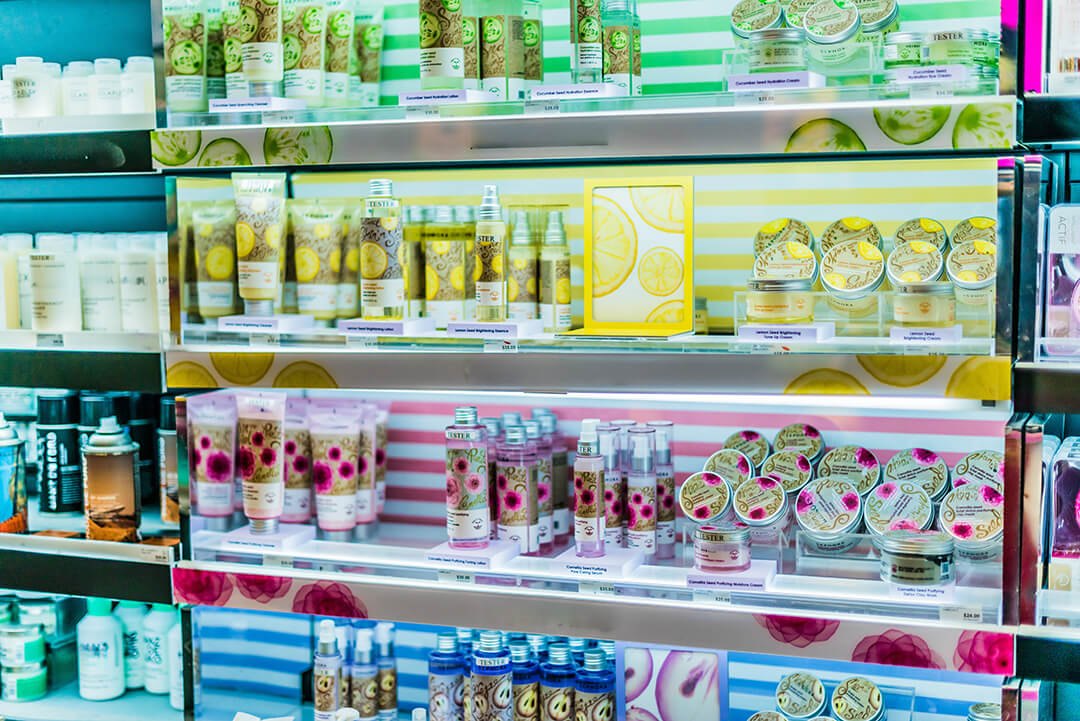
For brands that sell one formula on both sides of the Atlantic, the option is stark. Keep a formaldehyde releasing system and place the warning on shared packs, even for jars sold in the United States, or drop the releaser and rebuild preservation with fresh testing and sourcing. Plant based formulas do not sit outside the issue. A botanical toner with rose water or tea infusion still needs defence against yeast and mould after water joins the bottle.
Other EU ingredient rules shifted softly on close dates. Commission Regulation EU 2026 slash 78 starts 1 May 2026 and updates Annex V entry 7 to add Sodium o Phenylphenate beside o Phenylphenol with a shared limit, after an opinion of 25 October 2024. That same quiet rule added fifteen substances classed as carcinogenic, mutagenic or toxic for reproduction to the banned list, with no gentle sell through time. Trimethyl borate and N N methylenediacrylamide were banned from that May date with no sell through.
More revisions lie ahead for the hour before bed and the morning after. Commission Regulation EU 2026 slash 909 was shared on 28 April 2026. For many touched products, non compliant goods may no longer reach shelves from 1 January 2027, with leftover stock to clear by 1 July 2028.
In the United States there is no federal ban tonight on PFAS in cosmetics. The Modernization of Cosmetics Regulation Act asked the Food and Drug Administration to review PFAS in cosmetics and share a safety report by 29 December 2025. State rules now hold stronger weight at night. Minnesota asked makers to report intentionally added PFAS, and set the first evening deadline as 1 July 2026. Connecticut asks for reporting and labeling for cosmetics and other soft goods from 1 July 2026.
What repays attention is the pack in the hand under lamplight. A US label that newly states releases formaldehyde does not mean formaldehyde was added as such. It means the finished cream holds more than 10 ppm of released formaldehyde. The warning is meant to protect already sensitised consumers, not to state that all low level exposure is unsafe for all users. Which exact US products rest above that level stays unknown, since sources at hand offer no brand level testing data.
Read the back label slowly in the hush before sleep, then decide by skin history rather than fear. If formaldehyde sensitivity is known, the new warning and longer allergen list make avoidance simpler, and first light may feel easier for it.

Courtney Belknap
Courtney produces the interviews at Well with Luna: the research, the question lists, the late follow-up calls. She asks every founder about the worst night that started the company, and then about the dose.
More from Courtney Belknap →