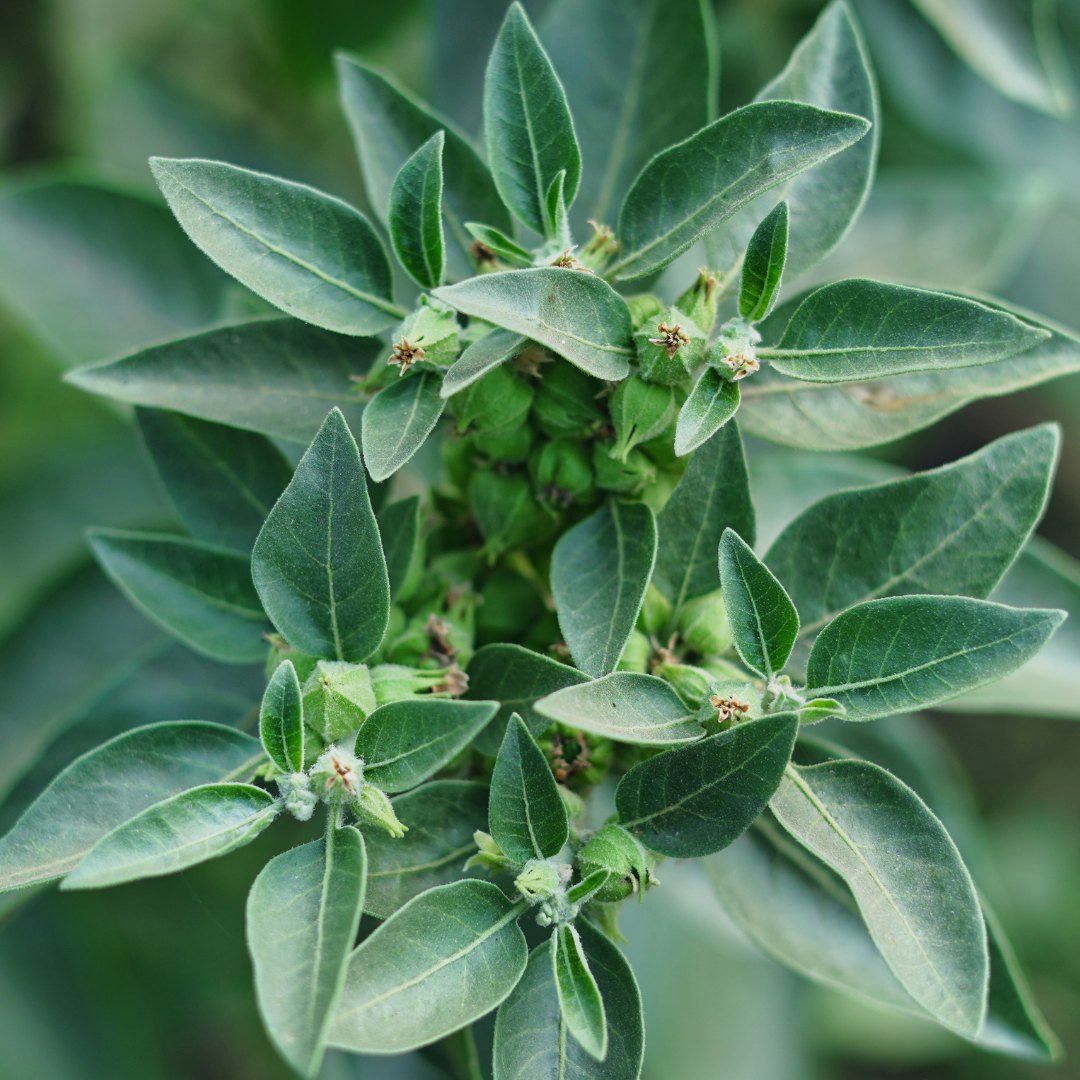
The old office pot promised endless energy, yet many drinkers now reach for less caffeine and a calmer morning. Trials support caffeine with theanine for attention, while mushroom reviews remain early and uneven. Steadier focus may owe more to dose, sleep and routine than to any blend alone.
Many people still believe a stronger cup means a sharper mind, and that belief is worth testing on an ordinary weekday.
The lamp is still on. The phone glows near the pillow. Tomorrow will likely begin with the familiar question of how much coffee is enough and how much is too much. For a long time the American answer leaned toward more. Coffee became more popular in America after the Boston Tea Party of 1773, when switching from tea to coffee became seen as a patriotic duty. That history feels distant, yet the habit of drinking coffee as a statement of work readiness stayed close.
By the late twentieth century, coffee belonged to motion. The first Starbucks opened in Seattle in 1971 after awareness of specialty coffee grew in the 1960s. American coffee culture is described as revolving around speed, to go cups, drive ins, break room brewers and remote work in coffee shops rather than relaxation. The United States is described as the biggest coffee consumer on a global scale. It is estimated that 2.25 billion cups of coffee are consumed each day worldwide. Over 45 percent of coffee in America is consumed by young adults, who are described as two times more likely to consume coffee than adults over 60.
That pace has a cost that many readers know in the body. Jitters arrive before noon. Reflux burns after the second refill. Attention rises, then drops hard in the afternoon. Less coffee than last year sounds sensible, but habit is strong, and coffee shops remain places to meet, work and rest between tasks. American coffee writing still frames coffee as fuel for productivity and community, which can encourage higher intake even as drinkers seek less jitters and crash. So the trade began. Half caf. Low acid. Mushroom coffee with lion’s mane, cordyceps, theanine or simply less caffeine per mug.
What caffeine and theanine appear to do
Caffeine has a clear action in the brain. Caffeine inhibits adenosine receptors types A1 and A2a, which increases cholinergic and dopaminergic transmission and augments attention. The effect can feel like lights coming up. Reaction quickens. Distraction fades for a time. Then the nightstand tells the rest of the story, because a late or large dose can push sleep later and leave the next morning harder.
L-theanine enters here with a quieter reputation. Quoted from systematic review authors, that line notes L-theanine is an amino acid found notably in green tea, black tea, and some mushrooms, which explains why the ingredient moved from tea cups to capsules to coffee blends. Looked at closely in the evening light, it is described as a glutamate reuptake inhibitor and a competitive low affinity glutamate receptor antagonist in the hippocampus, with action on GABA-A receptors. The language is technical. The plain meaning is that researchers are interested in how it may support calmer signaling alongside stimulation.
Small trials have tested the pair together. A 2020 single blinded randomized placebo controlled trial tested L-theanine 2.5 mg per kg plus caffeine 2 mg per kg in five boys ages 8 to 15 with ADHD. In the five boy ADHD trial, total cognition composite improved with the L-theanine caffeine combination versus placebo with p equals 0.041. The CDC states that 9.4 percent of children between 2 and 17 years old have been diagnosed with ADHD. That context matters because attention differences are common, and a five person study cannot carry much weight on its own.
Steadier focus may owe more to dose, sleep and routine than to any blend alone.
Other lab work looked at healthy adults. A 2018 four way crossover study gave nine healthy adult men 200 mg L-theanine, 160 mg caffeine, their combination, or distilled water. A 2017 five way crossover trial gave 20 healthy adult males 200 mg L-theanine, 160 mg caffeine, their combination, a single cup of black tea, or distilled water. The 2017 trial reported that additive outcomes from the L-theanine caffeine combination improved attention in high doses on cognitive and neurophysiological measures of selective attention. A systematic review found combined L theanine and caffeine improved attention measures, while each alone worsened inhibitory control in one small ADHD trial. The pattern is interesting rather than settled. Combined use may help some people feel alert with less edge, at least under lab conditions.
What mushroom reviews can and cannot say
Lion’s mane, reishi and cordyceps arrived with older stories and newer packaging. They appear in powders, pods and sachets that promise grounded energy without the crash. It helps to look at what reviews actually collected.
A 2019 systematic review searched for Hericium erinaceus, Ganoderma lucidum, Ophiocordyceps sinensis and Cordyceps militaris with cognitive outcomes in studies published in English before January 2019. The mushroom review found 25 of 194 studies met inclusion criteria, including eight on lion’s mane, seven on reishi and ten on cordyceps. When the wider evidence was gathered, the mushroom review included three randomized controlled trials alongside animal studies. In the mushroom review, 22 animal studies found positive results at p less than 0.05 on at least one dose for at least one cognitive impairment outcome. So two human trials in that mushroom review found positive results at p less than 0.05 on at least one cognitive assessment.
The review author at Johns Hopkins University gave a careful summary: “Despite heterogeneous study design, the results of this review suggest that dietary supplementation with lion’s mane, reishi and cordyceps mushrooms may have a beneficial effect on cognitive impairment.” The word may carries weight. A 2019 review of lion’s mane, reishi and cordyceps found mostly animal studies with varied preparations, doses and outcomes, and only three randomized controlled trials. Different extracts, different amounts, different tests. That uneven base makes it hard to know what a spoonful in warm milk does for attention across a workday.
The gaps grow when shopping. What dose, extract type and daily caffeine level in commercial mushroom coffee or half caf blends produces steadier attention remains unknown. Whether benefits persist beyond acute lab testing or depend on sleep, timing, food and total caffeine is also unclear. How reflux, anxiety, jitters and afternoon crash differ between low acid brews, half caf and mushroom blends has not been mapped in a way that guides the hour before bed or first light. A lower caffeine drink may help some people feel smoother in the afternoon, but the blend name alone says little about amount or effect.
The steadier cup is mostly about routine
It is easy to see why the new cups appeal. A smaller dose brings less shake. A slower morning brings less dread. A ritual with warm milk, a low lamp and a set lights out time supports rest in a way that powder alone cannot. Steady dose, sleep and routine explain steadier attention more reliably than any mushroom blend alone. That is the position this evidence supports, gently held.
Consider the tired worker who once refilled the office pot twice. One full strength mug at home, then half caf at the shop, then tea after dusk. Total caffeine falls. Sleep comes a little earlier. The next day needs less rescue. Nothing exotic happened. The nervous system simply got a clearer signal about day and night. For some, theanine with caffeine may support that calmer alertness during work hours. For others, plain low acid coffee in a smaller cup does the same work for less money.
Price and tolerance deserve honesty. Mushroom blends can cost more than beans. Low acid labels vary by maker. Half caf means different ratios by brand. Stomachs differ, and anxiety differs too. Keeping the same amount at the same morning hour, watching the afternoon slump, and protecting the long exhale before sleep gives better information than chasing a new bag each month. Better nights, clearer days. That rhythm asks for patience, not perfection, and a nightstand that holds a book as often as a gadget.
Lower caffeine plus steady routines helps attention more reliably than any mushroom blend alone, and that may be enough good news for tonight.

Tara Whelan
Tara runs the night desk and the evening guides at Well with Luna. She has tested every mask, nasal strip and pillowcase we have written about, one night at a time, and keeps her notes in a paper diary by the bed.
More from Tara Whelan →