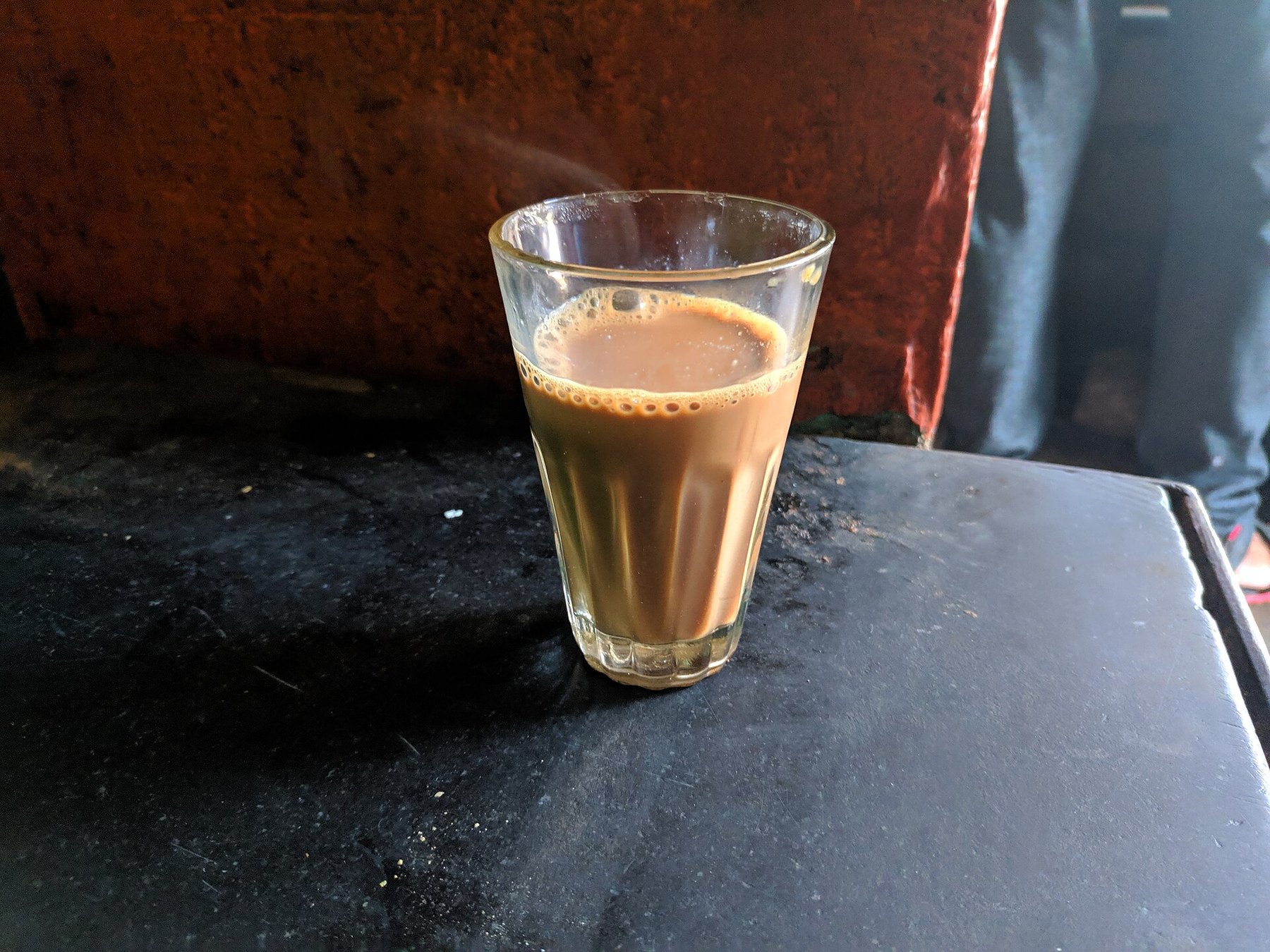
The 2025 surveys marked the turn, with most Gen Z drinkers saying they planned to drink less and a large share planning a dry year, while sleep studies kept showing what alcohol does after lights out.
In 2025 the Circana Sober Curious Movement survey found 65 percent of Gen Z planned to drink less and 39 percent planned to go fully dry for the year, and the evening drink began to carry a different meaning.
It was not only abstinence. A 2025 YouGov survey found 40 percent of 21 to 29 year olds who consume nonalcoholic alternatives said health was a factor. According to Circana, 58 percent of Gen Z who planned to drink less pointed to improving mental health, up 45 percent from the year before. The numbers describe intention and moderation more than a clean break, since many nonalcoholic buyers also still drink alcohol. That honesty matters. The change looks less like a vow and more like a rearranged nightstand, where wine no longer sits at the center and other cups and cans take turns beside the lamp.
What moved into that space tells its own story. Functional beverages are commonly described as products that purport to do more than provide fluids, with benefits linked to added functional ingredients. Adaptogens are plant substances including roots, herbs and mushrooms that are described as helping the body manage stress and maintain homeostasis while being non toxic. Nootropics are ingredients that support cognitive function including memory, motivation, attentiveness and energy, and may be naturally or synthetically derived. The global functional food market was valued at USD 228.79 billion in 2025 with about 8 percent compound annual growth since 2022. In Europe the functional beverage market is projected to pass 34 billion euros in 2026 and 47 billion euros by 2031, with immune support close to half the category. Discovery happens late and socially. Circana found 35 percent of Gen Z and millennials discover new nonalcoholic beverages through social media and 28 percent tried one because a celebrity or influencer endorsed it.
Psychologist Katie Witkiewitz described part of the appeal as “joining together to choose not to drink,”. A 2025 study in Addiction Research and Theory found FOMO was significantly higher in social scenarios involving alcohol than in comparable nonalcohol scenarios. Dr. Benjamin Montemayor, assistant professor at Texas A&M University School of Public Health, put the newer feeling plainly when he said “There’s a fear of missing out on feeling good the next day,”. That shift from missing the party to missing the morning helps explain why sleep has become central to the sober curious conversation. The long exhale at dusk now points toward first light.
Why alcohol shortens the night it seems to soften
Nearly 20 percent of adults in the United States report using alcohol as a sleep aid, rising to 30 percent in insomnia and over 60 percent in alcohol use disorder. The logic is understandable. A drink can feel warming and heavy lidded, and the hour before bed can feel smoother with it. Sleep physiology tells a cooler story.
In a crossover study of 30 adults, mixer plus alcohol targeting 0.08 BrAC was consumed ending 1 hour before lights out across two sets of three consecutive nights with polysomnography. Across all three nights, alcohol before sleep increased the rate of slow wave sleep accumulation and decreased the rate of REM sleep accumulation at the start of each night. Alcohol decreased the total amount of REM sleep but did not affect the total amount of slow wave sleep each night in the three night study. The pattern suggests an early tilt followed by a loss. Rest arrives faster in one form and thinner in another.
Presleep alcohol has been associated with increased sleep fragmentation and more wakefulness during the second half of the sleep episode. Proposed contributors to wakefulness after drinking include alcohol induced temperature rise, diuretic effects, apnea episodes, blood sugar fluctuation, dehydration and stomach acid discomfort. Anyone who has woken at three with a dry mouth and a warm chest will recognize the list. The hush breaks. Then morning feels borrowed rather than kept.
Alcohol studies disagree on slow wave sleep versus REM effects in part because of small samples, varied timing, and limited control for prior sleep and drinking. That caution belongs in the room. Still, the direction holds often enough that alcohol free evenings often appear to support more continuous sleep, with less fragmentation and more REM preserved. It may help some people to remove the nightcap first and judge the botanicals later.
Rest arrives faster in one form and thinner in another.
What a can can claim, and what a dose must show
The sober ritual needs something to hold. Tea has history on its side. A functional can has novelty. Both deserve the same quiet question about contents and amount, because many botanical and adaptogen claims lack standardization and adequate daily intake guidance, so label names alone do not predict effect.
Some ingredients can be read with a steadier hand. Caffeine has an effective dose range of about 50 to 200 mg for alertness, with a half life of approximately 5 to 6 hours and an ability to decrease deep non REM sleep. An evening drink that contains it should say so clearly, since a calm label at dusk should not hide a stimulant with a long tail. Probiotic benefits are supported only with specific well researched strains at effective doses, typically 1 to 10 billion CFUs. Fiber based prebiotic drinks using inulin or chicory root should provide at least 5 grams of fiber per serving. These are thresholds, not moods. A product either meets them or it does not.
Mushrooms ask for even closer reading. Memorial Sloan Kettering Cancer Center states clinical evidence for reishi is limited, preparations are heterogeneous, and trials do not support many commonly marketed benefits. A good concentrated mushroom extract will list its dose in milligrams and its beta glucan content, with at least 70 percent beta glucan as a clear sign of transparency. Reishi can increase bleeding risk with anticoagulants or antiplatelet drugs and may not be appropriate with immunosuppressants. A warm cup can still be pleasant. Pleasure is enough when nothing medical is promised. When calm or sleep is promised, the label should carry weight.
Functional beverage evidence is mixed by category, with stronger support for electrolytes, caffeine and specific probiotic strains than for many adaptogen claims. That unevenness is not a reason for cynicism. It is a reason to slow down at the shelf and in the kitchen, to look for milligrams and strains and grams, to notice price and side effects, and to let a simple tea without claims sit beside a complex tonic with many. The ritual works partly because hands are busy and light is low and the day has an ending. Ingredients may add something beyond that comfort, but only one by one, at measured doses, over time.
There are things the research has not yet settled. How large and lasting the sleep benefit is when people replace habitual evening alcohol with tea, nonalcoholic drinks or adaptogen drinks remains unclear. Which botanical doses and preparations, if any, reliably improve evening relaxation or sleep without side effects is also unknown. Whether survey intentions to drink less translate into sustained lower alcohol intake over years is unproven. Better nights are reported and hoped for, not guaranteed.
The position that remains is gentle and firm. Alcohol free evenings often sleep better because alcohol fragments sleep and trims REM, while functional drinks should be judged ingredient by ingredient rather than trusted as a mood in a can. Keep the lamp low. Choose the drink with a clear label. Let first light do the judging.

Annika Holm
Annika looks after the brands Well with Luna works with and makes sure every sponsored page says so. She grew up in Uppsala with very short winter days, which is where her interest in light and sleep began.
More from Annika Holm →