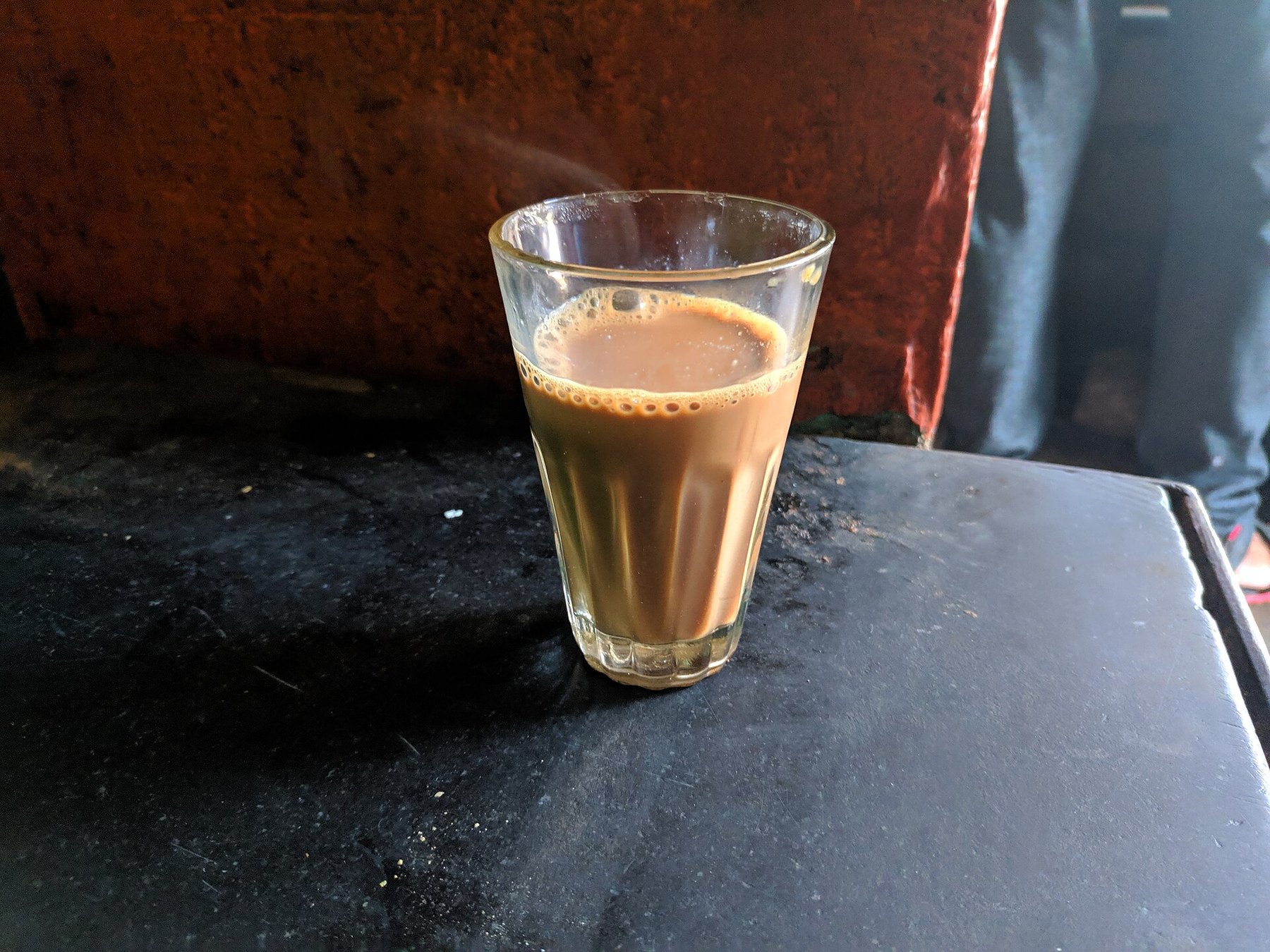
The evening shelf of powders and droppers borrows old plant traditions and sells them with little premarket proof. Trials point to modest stress effects for some ashwagandha extracts in some people, with mixed results for kava. That gap between promise and evidence is where careful nights begin.
Two hundred forty milligrams per day was the dose in a sixty day randomized double blind placebo controlled study of sixty stressed healthy adults, where a standardized ashwagandha extract called Shoden was tested against placebo.
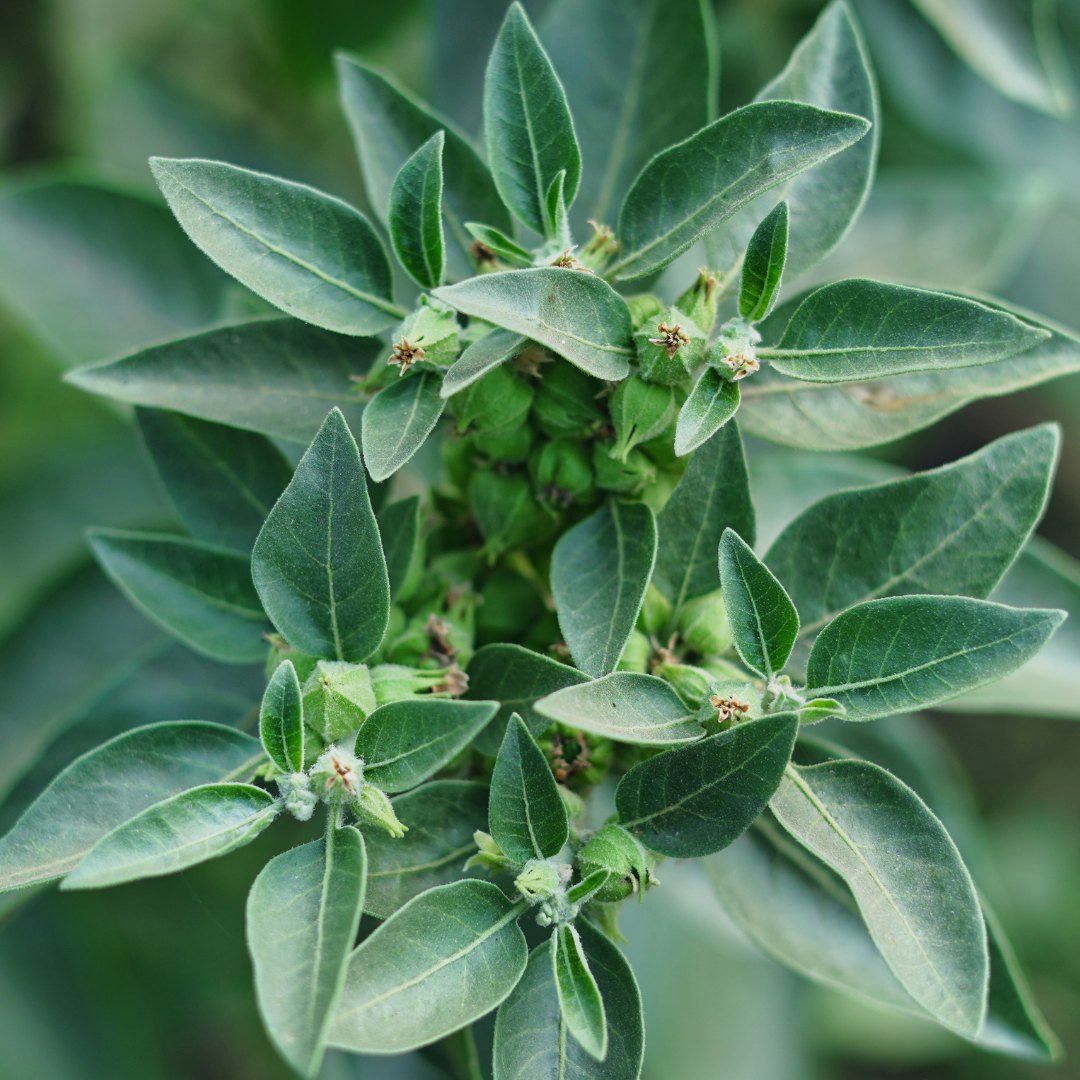
Ashwagandha is Withania somnifera in the Solanaceae family, commonly called Indian Winter cherry or Indian Ginseng. In Ayurveda it is used as a Rasayana, described as a preparation that promotes a youthful state of physical and mental health. It is commonly available as a churna, a fine sieved powder that can be mixed with water, ghee or honey. That old form sits close to the modern evening latte, which also asks a powder to dissolve into something warm and familiar. Its active constituents include alkaloids, steroidal lactones such as withanolides and withaferins, saponins, sitoindosides and acylsterylglucosides. Those names matter because extracts differ, and a different extract can mean a different product even when the front of the jar says the same plant.
Early animal work gave the story its language of endurance under strain. In rat swimming endurance tests, control mice swam a mean three hundred eighty five minutes while Withania somnifera treated animals swam a mean seven hundred forty minutes, about double. Pretreatment with Withania somnifera prevented reduction of adrenal cortisol and ascorbic acid after five hours of swimming stress in animals. Findings like these supported interest in stress physiology rather than sleep itself. The authors of the sixty day ashwagandha extract trial put the idea in plain terms. “These findings suggest that ashwagandha’s stress-relieving effects may occur via its moderating effect on the hypothalamus-pituitary-adrenal axis” (Authors of 60-day ashwagandha extract trial). That axis governs the daily rhythm of cortisol, which rises toward first light and falls toward lights out. A product that touches that rhythm belongs in an evening conversation, even when it does not promise rest directly.
How small trials shape a large shelf
The sixty day study found ashwagandha associated with statistically significant reduction in Hamilton Anxiety Rating Scale versus placebo with P equals .040. The same study found greater reductions in morning cortisol with P less than .001 and DHEA-S with P equals .004 compared with placebo. All sixty participants completed the trial with no adverse events reported. Those details deserve care. Sixty people is a small group, sixty days is a short season, and one extract at one dose cannot speak for every powder and drop that borrows the name. The result points toward a modest average effect on anxiety scores and morning hormones in some people, not a settled answer about nightly use through winter and spring.
Other trials narrow the picture further. In one ashwagandha study, fifty eight adults with moderate stress took two hundred fifty milligrams, six hundred milligrams or placebo daily for eight weeks, with stress falling eight to nine points on a zero to forty scale versus six points for placebo. A difference of two to three points on a forty point scale may help some people feel the long exhale a little sooner, yet it also shows how much improvement happened without the herb. In another study of fifty seven adults with moderate stress, two hundred twenty five milligrams or four hundred milligrams of ashwagandha daily for thirty days produced no less stress or anxiety than placebo. Human trials are small and short, with no study greater than eight weeks noted in one review, and they use divergent extracts and doses. Mixed results are not a footnote here. They are the pattern.
Kava brings a Pacific tradition into the same evening set, often as a liquid meant to quiet the mind before bed. For a soft evening read, one hundred seventy one adults with generalized anxiety took daily placebo or two hundred forty milligrams of kavalactones for sixteen weeks and anxiety scores eased similarly in both groups. In that kava study, kava takers reported poorer memory and muscle tremors more often than placebo takers, and liver enzymes increased in the kava group. That combination is worth sitting with in lamplight. A similar drop in scores can mean attention, ritual and rest helped both groups, while the added reports of memory and tremor and liver enzyme change belonged more to kava. It may help some people, and it clearly did not help everyone in the clearest test summarized here.
A similar drop in scores can mean ritual and rest helped both groups, while the added risks belonged more to kava.
The law that holds this shelf together was written long before the latte. Congress defined dietary supplement in the Dietary Supplement Health and Education Act of 1994, covering vitamins, minerals, herbs and other botanicals, amino acids and other dietary substances when intended for ingestion. Under DSHEA, FDA does not have authority to approve dietary supplements before they are marketed. A firm generally does not have to provide FDA with evidence it relies on to substantiate safety before or after marketing, except for supplements with a new dietary ingredient not present in the food supply in unaltered form. For a new dietary ingredient, the manufacturer or distributor must notify FDA at least seventy five days before introducing the product into interstate commerce with safety information. A new dietary ingredient is a dietary ingredient not marketed in the United States before October fifteenth, 1994.
That structure explains why tradition can move so quickly into commerce. A plant with older use can appear in new forms, new blends and new doses with little premarket proof, while the burden of showing harm often arrives later. About fifty eight percent of participants reported using an herbal or dietary supplement at least once within the thirty day period in the national survey data. Familiarity can feel like safety, especially when a product is stirred into milk or sold beside tea. Familiarity is not the same as tested safety for daily use across months, in combination with other nightstand products, alcohol or prescribed medicines.
What care looks like after lights out
Liver injury is the concern that asks for the most careful attention. According to the Drug Induced Liver Injury Network, liver injury due to botanical products rose from seven percent in 2004 to 2005 to twenty percent in 2013 to 2014. The six potentially hepatotoxic supplements studied included ashwagandha, green tea extract and turmeric or curcumin. Alisa Likhitsup, clinical assistant professor, Division of Gastroenterology and Hepatology, University of Michigan, gave a plain definition. “Potentially hepatotoxic botanical products are the products that contain plant-based ingredients which have been implicated as potential causes of liver damage” (Alisa Likhitsup, clinical assistant professor, Division of Gastroenterology and Hepatology, University of Michigan). The wording matters. Implicated as potential causes is not proof in any one jar, and it is also not reassurance.
Rosario Ligresti, chief of Gastroenterology at Hackensack University Medical Center, spoke to the ease with which natural becomes a synonym for safe. “Because ‘supplements’ are supposedly made from natural ingredients, people have a false sense of security, they may believe that because the ingredients are ‘natural,’ they must be safe” (Rosario Ligresti, chief of Gastroenterology at Hackensack University Medical Center). The caution lands gently in an evening routine. A warm drink can support a slower hour before bed through taste, warmth, pause and lower light. Those supports are real even when the pharmacology is small. They do not remove questions of sourcing, dose and daily use, and they do not settle what dose, extract type and duration are appropriate for different people. Whether small average stress score changes translate into lasting benefit for daily latte or drop users is not shown.
A calmer reading keeps both truths in hand. A few extracts show modest stress effects in some people across short trials, with samples near sixty and results that shift by extract and dose. Kava shows a weaker case in the largest study here, with similar anxiety drops to placebo and added reports worth noting. Population risk for liver injury from specific products remains unknown, and daily use deserves more care than most labels suggest. For the nightstand, that means treating these products as guests rather than anchors. Choose one product at a time when possible, keep the dose and duration visible, leave room for dusk and hush and the simple supports that carry no liver question, and speak with a clinician when fatigue, appetite loss, nausea, stomach pain or dark urine appear, or when other medicines share the night.

Tara Whelan
Tara runs the night desk and the evening guides at Well with Luna. She has tested every mask, nasal strip and pillowcase we have written about, one night at a time, and keeps her notes in a paper diary by the bed.
More from Tara Whelan →